Malaysia's religious and government authorities are mounting an extensive public education campaign to ensure that millions of Muslims understand how their pilgrimage savings have been managed, following a Royal Commission of Inquiry into Lembaga Tabung Haji. The initiative, announced by former Minister in the Prime Minister's Department (Religious Affairs) Datuk Seri Dr Mujahid Yusof Rawa, will harness the credibility and reach of Islamic scholars and community religious figures to disseminate the commission's findings across the country through diverse channels including mosques, prayer halls, educational institutions and government offices.
The decision to launch this coordinated awareness drive reflects growing recognition that Tabung Haji—an institution managing savings for 9.7 million Muslim Malaysians intending to undertake the haj pilgrimage—requires sustained public engagement to rebuild confidence and demonstrate institutional accountability. By employing religious intermediaries rather than relying solely on government spokespeople, authorities appear to be acknowledging that faith-based messengers carry particular weight within Muslim communities and may prove more effective in conveying complex financial and governance matters to a diverse audience spanning urban professionals, rural communities and various educational backgrounds.
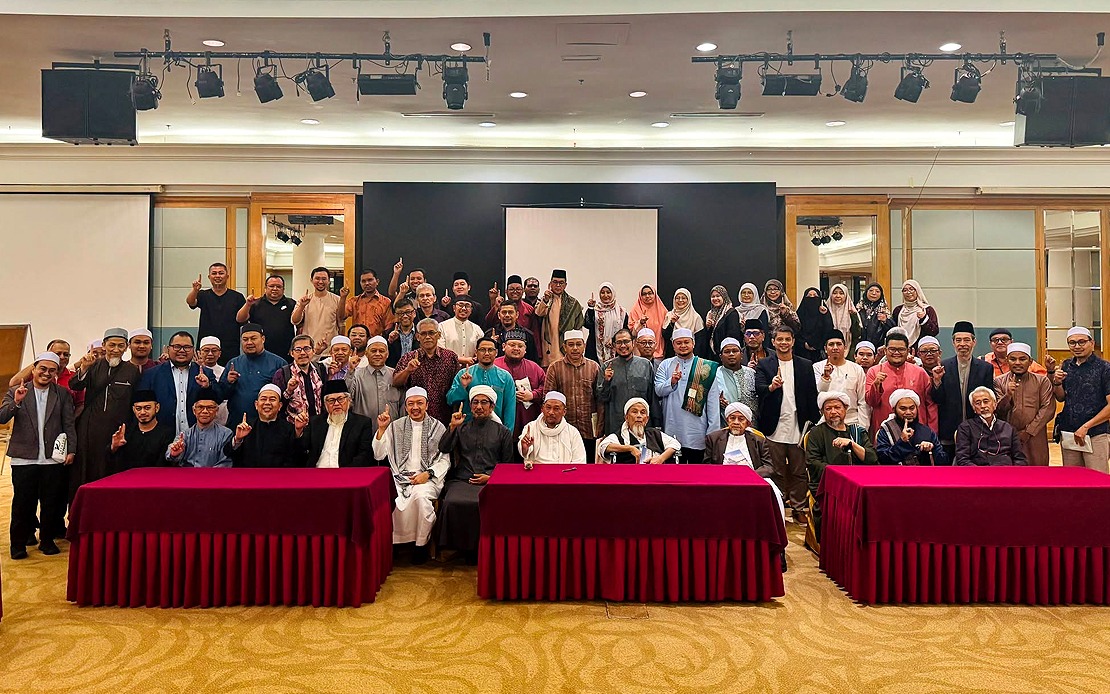
The foundation for this outreach effort emerged from a special scholarly gathering called Hifz al-Mal, convened recently at De Palma Hotel in Ampang. This conference brought together more than one hundred religious leaders and Islamic scholars from across Malaysia, united by a common purpose of examining the RCI findings and discussing collective responsibility for protecting the savings entrusted to Tabung Haji. The conference was organised by the Malaysian Ulama Secretariat in collaboration with the Malaysian Ulama Council's Mursyid al-'Am (Spiritual Leader) Abdul Rahim Abdul Rahman, positioning it as an authoritative religious gathering rather than a mere government briefing.
What distinguishes this conference from standard policy briefings is its deliberately multi-disciplinary composition. Beyond religious scholars and community imams, the gathering included chartered accountants, economic analysts, legal professionals, religious educators and pondok scholars—creating a knowledge ecosystem where financial and governance expertise could intersect with Islamic jurisprudential perspectives. This hybrid approach acknowledges that depositors and the wider Muslim community deserve explanations grounded in both religious principles and technical financial competence, recognising that questions about Tabung Haji's management ultimately touch on both faith and fiduciary responsibility.
Mujahid's public statements emphasise the theological and moral dimensions underlying this initiative, framing Tabung Haji as a trust held collectively on behalf of the Muslim community. The concept of Hifz al-Mal—literally the protection or preservation of wealth—provides an Islamic jurisprudential framework for discussing not merely what went wrong with the institution's management, but why protecting communal assets represents a shared religious obligation. This framing is significant for Malaysian readers because it elevates the discussion beyond technocratic governance concerns to encompass principles deeply rooted in Islamic teaching, potentially resonating more powerfully with ordinary depositors who may view their Tabung Haji savings as both a financial instrument and a sacred responsibility.
The nationwide scope of this campaign represents an ambitious undertaking that will require coordination across multiple institutional channels. Mosques and prayer halls offer regular congregation gatherings where imams and community leaders can discuss the RCI findings with worshippers. Educational institutions—from schools to universities and colleges—provide forums where younger Malaysians and their families can engage with the material. Government departments offer venues for civil servants and their families. Community education platforms extend the reach into informal neighbourhoods and associations. This multi-venue approach reflects an understanding that effective public communication requires meeting citizens where they naturally congregate rather than expecting people to seek out information independently.
For Malaysian readers and especially for the 9.7 million Tabung Haji depositors, this campaign carries direct implications for their understanding of how their pilgrimage savings have been handled and what governance reforms or assurances may follow from the RCI investigation. The involvement of respected Islamic scholars lends credibility to explanations of potentially complex financial and accounting matters that many ordinary Malaysians may find difficult to parse through conventional government channels. This educational effort essentially represents an investment in public trust, acknowledging that institutional legitimacy depends not merely on investigations and policy changes, but on ensuring that affected communities comprehend both what occurred and what measures are being implemented to prevent recurrence.
The timing and scope of this initiative also reflect broader questions about institutional governance and public accountability within Malaysia's faith-based financial systems. Tabung Haji is not a minor institution but one managing hundreds of billions in pilgrim savings, making its proper governance a matter of significant national concern. The RCI investigation presumably identified governance gaps or management failures; the awareness campaign now represents the government's attempt to demonstrate that lessons are being learned and stakeholder confidence can be restored through transparent explanation and community engagement led by trusted religious authorities.
Mujahid's emphasis on preventing future misuse of public assets suggests the RCI inquiry may have uncovered concerning practices warranting such preventative messaging. By mobilising Islamic scholars and religious leaders to discuss not only what happened but also the ethical imperative against repeating such failures, authorities are attempting to create a moral consensus that transcends partisan politics and grounds accountability in religious principles. For the broader Southeast Asian context, Malaysia's approach of leveraging religious institutional networks for public policy education offers a model of how governments might engage faith communities in governance transparency initiatives.
The success of this campaign will ultimately depend on how comprehensively the awareness effort reaches depositors across Malaysia's diverse geography and demographic segments, and whether the explanations provided by participating scholars and religious figures successfully rebuild confidence in Tabung Haji's management and governance. By grounding the initiative in established Islamic principles of wealth protection and community responsibility, while simultaneously demonstrating institutional commitment through high-profile scholar participation, Malaysian authorities are signalling that restoring public trust in Tabung Haji requires both substantive governance reforms and sustained engagement with the faith communities upon which the institution's legitimacy fundamentally depends.

