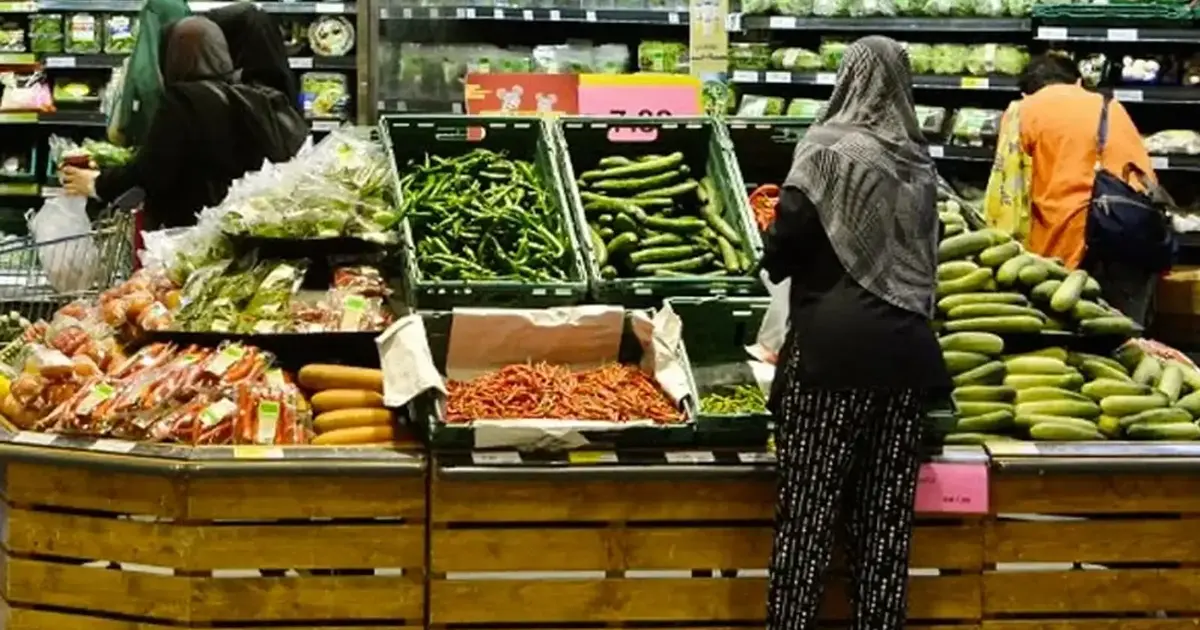
Malaysia's government is exploring a significant expansion of its SARA aid scheme to encompass fresh produce, signalling a potentially broader approach to managing the rising cost of living that has weighed on household budgets across the country. Deputy Prime Minister Ahmad Zahid Hamidi announced that officials are preparing a formal proposal for this expansion, which will be tabled before the National Action Council on Cost of Living for deliberation and possible approval.
The SARA assistance programme has emerged as a cornerstone of the government's efforts to shield lower-income Malaysians from inflationary pressures. Currently, the scheme targets specific essential foodstuffs, but the proposed widening to include vegetables and fruits would mark a substantive shift in scope. This development reflects growing concerns among policymakers about the accessibility and affordability of nutritious food for ordinary Malaysians, particularly in urban centres where fresh produce prices have climbed steadily.
Fresh vegetables and fruits represent a critical component of a balanced diet, yet many Malaysian households report struggling to maintain regular consumption of these items amid economic headwinds. By potentially bringing produce under the SARA umbrella, the government would be acknowledging the gap between household income and the cost of maintaining adequate nutrition. This move carries particular significance for families already relying on government assistance and those living paycheque to paycheque.
The National Action Council on Cost of Living serves as the primary coordinating body for Malaysia's multifaceted approach to inflation management. Submitting the proposal through this channel ensures that any expansion of SARA benefits will undergo scrutiny from relevant ministries and stakeholders, including those responsible for agriculture, trade, social welfare, and fiscal planning. The council's involvement also signals that the government is treating this as part of a comprehensive strategy rather than an isolated measure.
Expanding food subsidies into the fresh produce category presents both opportunities and challenges for implementation. On the positive side, broader coverage could meaningfully improve dietary outcomes across low-income demographics and support public health objectives around nutrition and preventive healthcare. However, policymakers must grapple with questions about programme administration, cost implications, and potential market distortions. Managing subsidies for perishable goods requires more complex logistics than supporting non-perishable staples, given supply chain sensitivities and regional price variations across Malaysia.
The proposal arrives at a time when regional inflation has moderated from earlier peaks, yet Malaysians continue to perceive food prices as a pressing concern. Consumer sentiment data consistently ranks cost of living among the top anxieties, even as headline inflation figures suggest cooling pressures. This disconnect between statistical measures and lived experience underscores why extending assistance to everyday groceries like vegetables resonates politically and socially, regardless of precise inflation metrics.
For farmers and agricultural producers, the expansion could yield mixed results. Enhanced demand driven by subsidised purchasing might benefit domestic growers, particularly smallholders and regional producers who struggle to compete with cheaper imported alternatives. Conversely, poorly designed subsidy mechanisms could inadvertently distort market signals, potentially disadvantaging unsubsidised suppliers or creating inefficiencies in supply chains. The council's assessment will likely weigh these sector-specific implications carefully.
Southeast Asian neighbours have experimented with various approaches to food affordability, offering instructive examples. Some regional governments provide direct cash transfers rather than commodity-specific subsidies, allowing households greater choice and flexibility. Others have implemented targeted voucher schemes, attempted price controls with mixed success, or invested in agricultural productivity measures to increase domestic supply. Malaysia's approach through SARA represents a hybrid model worth examining through comparative regional analysis.
The timing of this proposal also reflects Malaysia's broader fiscal situation. With government revenues under pressure and competing demands on the budget, expanding any assistance programme requires careful financial modelling and prioritisation. Officials must justify the allocation within existing fiscal constraints while demonstrating cost-effectiveness relative to alternative interventions. This budgetary context will likely shape both the scope of any eventual approval and the programme's implementation timeline.
Should the proposal advance following National Action Council review, execution would demand coordination across multiple agencies. The relevant ministry handling price controls, the distribution network for subsidised goods, point-of-sale systems to verify eligibility, and monitoring mechanisms to prevent leakage would all require synchronisation. Lessons learned from rolling out previous components of SARA would inform these implementation strategies.
The broader political economy underlying this proposal reflects ongoing tension between maintaining fiscal discipline and responding to populist demands for cost-of-living relief. As election cycles approach and political competition intensifies, such measures gain salience as tangible demonstrations of government commitment to ordinary Malaysians' welfare. Whether framed as social protection or political necessity, the proposal represents a significant policy decision with implications extending beyond immediate beneficiaries to broader questions about food security, agricultural sustainability, and government's appropriate role in market stabilisation.

