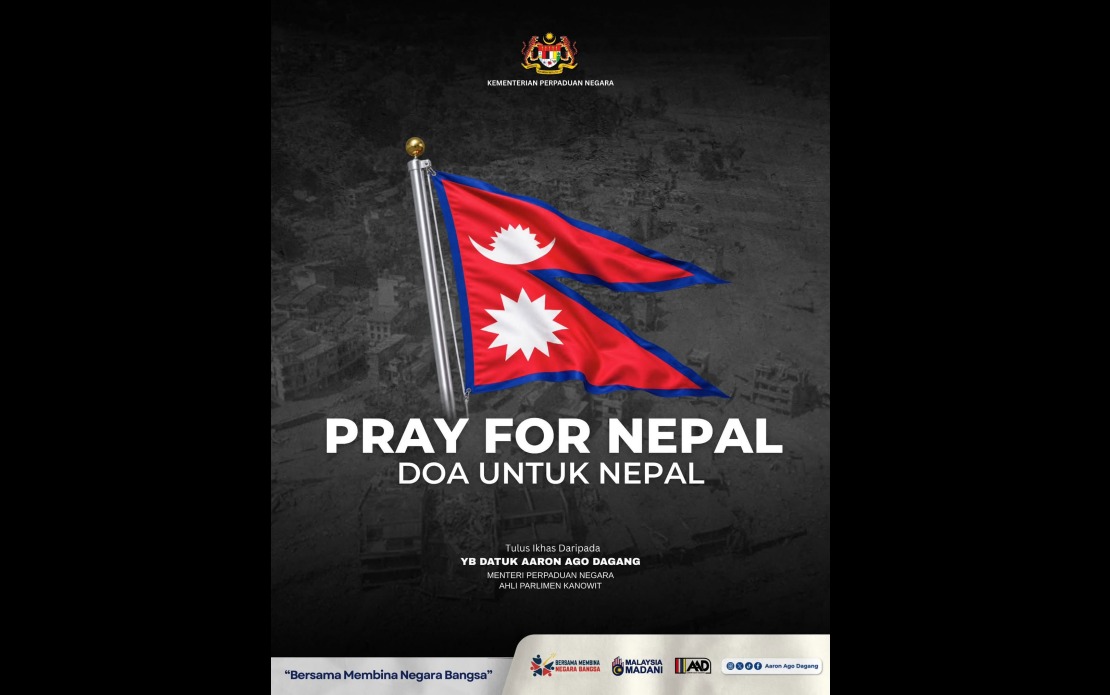
The Malaysian government has swiftly mobilised its diplomatic and humanitarian machinery following a major flooding disaster that struck Nepal on August 27, highlighting the region's vulnerability to natural calamities and the interconnectedness of Southeast Asian nations through migration and cross-border ties. Minister of National Unity Datuk Aaron Ago Dagang issued a compassionate statement through social media, reflecting official concern not only for Nepal's affected population but specifically for the welfare of Malaysian citizens caught in the disaster's wake.
In an immediate response demonstrating governmental coordination at the highest levels, Prime Minister Datuk Seri Anwar Ibrahim directed multiple agencies including the National Security Council (MKN) and the Ministry of Foreign Affairs to commence urgent identification and contact procedures for Malaysians in the affected regions. This proactive approach underscores Malaysia's established protocols for protecting its citizens abroad during emergencies, a critical responsibility given the significant Malaysian diaspora scattered across Asia and beyond.
The scale of the concern became evident when the Foreign Ministry confirmed that 57 Malaysians remained uncontactable as of 11 pm on August 27, based on reports accumulated from family members, friends, and employers within Malaysia. This figure represents not mere statistics but individual lives, livelihoods, and families separated by geography and communication breakdown. The compilation of such data relies heavily on civilian reports, suggesting that official channels had yet to establish direct contact with many nationals in Nepal's affected areas.
Datuk Aaron's statement reflected the delicate balance Malaysia maintains in regional diplomacy, extending compassion to Nepal's broader population whilst ensuring specific attention to Malaysian nationals. His appeal to Malaysians to join in prayer represented both a spiritual invocation and an acknowledgment of the shared humanity across borders that characterises Southeast Asia's increasingly integrated societies. The minister specifically requested prayers for the safety and well-being of Nepali citizens, whilst simultaneously highlighting Malaysian governmental concern for its own citizens' security and family connections.
The minister further expressed hope that recovery and assistance operations would proceed without obstruction, a subtle but important recognition of the logistical and bureaucratic challenges that often accompany large-scale disaster response in mountainous or remote regions. Nepal's Rasuwa district, situated in challenging terrain, presents particular difficulties for rescue and relief efforts, factors that Malaysian authorities would necessarily consider when coordinating assistance or information-gathering operations.
Malaysia's rapid governmental response reflects broader regional patterns of mutual support amongst ASEAN and South Asian nations during natural disasters. The deployment of multiple ministerial portfolios—from national security to foreign affairs—demonstrates that disaster response transcends traditional bureaucratic silos when citizen safety becomes paramount. This coordination mechanism, refined through previous regional emergencies and natural calamities, enables faster identification and assistance protocols.
The situation also underscores the substantial Malaysian presence throughout Nepal, whether for tourism, business, or employment purposes. The fact that 57 individuals remained uncontactable suggests either widespread communication disruption from the flooding itself or dispersed presence across multiple affected communities. Malaysian diplomatic missions would face considerable challenges in rapidly locating nationals scattered across disaster zones without systematic registration or pre-existing contact information.
Family members and employers in Malaysia initiating contact reports created the primary data source for identifying affected nationals, highlighting how disaster response increasingly depends on crowdsourced information alongside official channels. This civilian-government partnership, whilst effective, also reveals gaps in preparedness systems for registering nationals abroad—a concern affecting many developing nations with significant diaspora populations.
The emotional toll of such situations extends beyond official statements. With communication networks potentially damaged and transport disrupted, many Malaysian families faced anxious uncertainty regarding loved ones' whereabouts and safety. The government's public mobilisation of assistance efforts aimed to provide reassurance whilst managing expectations about response timelines in challenging circumstances.
Regional implications extend beyond immediate humanitarian concerns. Nepal's vulnerability to flooding, exacerbated by climate patterns and geographical factors, reflects broader Southeast and South Asian challenges with extreme weather events. Malaysia, similarly prone to monsoon-related flooding, recognises these shared vulnerabilities and the necessity for regional cooperation in disaster preparedness and response mechanisms.
The incident also reinforced Malaysia's commitment to bilateral relationships with Nepal, demonstrated through official condolences and practical governmental action. Such responses, though often overshadowed by larger geopolitical developments, form the steady foundation of regional stability and trust. When citizens of one nation face crisis in another, diplomatic relationships are tested and ultimately strengthened through responsive, compassionate action.
As rescue and recovery operations continued in Nepal's affected areas, Malaysian authorities undertook painstaking work to trace nationals, coordinate communications, and potentially facilitate evacuations or medical support if required. The coordination between PM Anwar Ibrahim's directive and on-ground implementation by MKN and Foreign Affairs represented standard but crucial procedures that would occupy officials' attention in coming days as the full scope of the disaster became clearer and communication with stranded Malaysians gradually improved.

