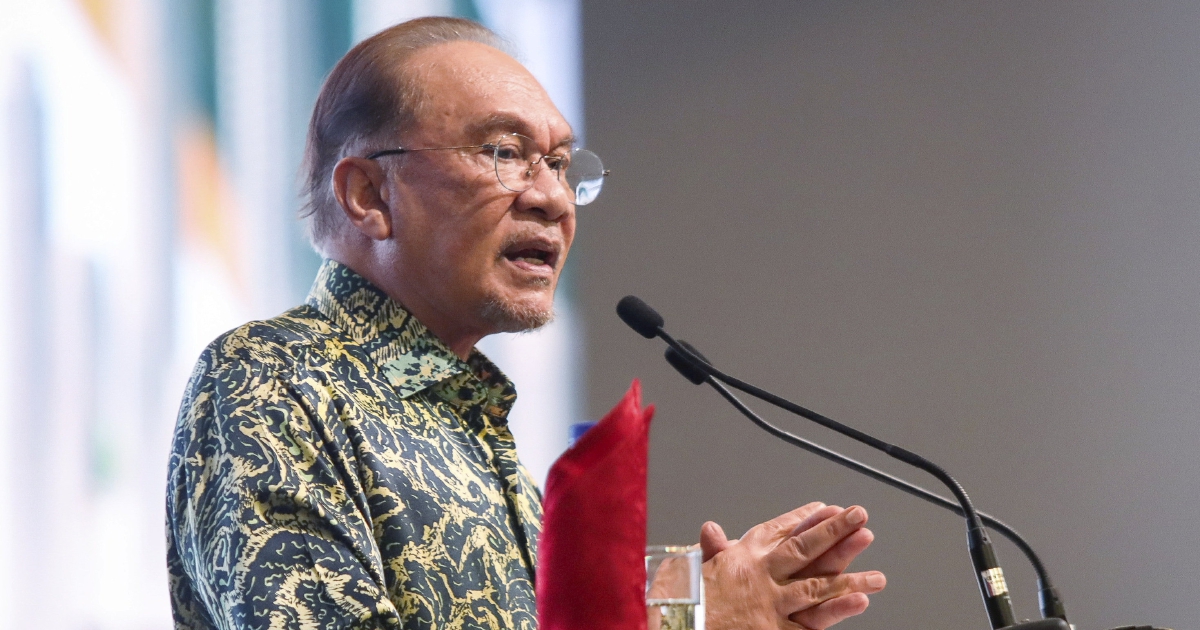
Prime Minister Datuk Seri Anwar Ibrahim has unveiled the estimated financial outlay needed to restore the Sepang International Circuit to Formula One standards, putting the figure at RM16 million. The disclosure, made while addressing constituents in Tampin, signals the government's preliminary assessment of what preparations the iconic circuit will need to host the pinnacle of motorsport once again.
The announcement comes amid growing speculation about Malaysia's prospects of securing a new slot on the Formula One calendar. Sepang, which hosted the Malaysian Grand Prix for two decades until 2017, has long been regarded as one of the region's premier racing facilities, and the circuit's potential return to the F1 calendar has captured the imagination of motorsport enthusiasts and policymakers alike. The relatively modest budget outlined by Anwar suggests the government believes the venue requires only maintenance and upgrades rather than comprehensive reconstruction.
For context, the Sepang International Circuit stands as a testament to Malaysia's motorsport infrastructure investments made in the late 1990s. The facility was purpose-built to accommodate Formula One requirements and has since hosted numerous international racing events. While the circuit has continued operations with other racing series and events since F1's departure, substantial capital expenditure would likely be necessary to meet contemporary Formula One technical specifications and broadcast standards, which have evolved considerably over the past six years.
The RM16 million figure carries implications for Malaysia's broader positioning within global motorsport and its appeal as a destination for major sporting events. In regional context, the investment represents a calculated gamble that renewed F1 presence could generate economic returns through tourism, hospitality, and international media attention. Southeast Asia currently has limited representation on the F1 calendar, with Singapore being the region's only regular host, making Malaysia's potential re-entry significant for continental sporting prestige.
The announcement also reflects broader government priorities around economic diversification and attracting high-profile international events. Beyond the direct spending on circuit preparation, a Formula One return would necessitate coordination across multiple agencies, hospitality providers, and infrastructure stakeholders. The prime minister's framing of the expenditure as modest may be designed to underscore the financial accessibility of the proposition to stakeholders and the general public alike.
Anwar's disclosure raises questions about what specific improvements the budget would cover. Contemporary Formula One demands often extend beyond track infrastructure to encompass medical facilities, safety protocols, broadcast installations, and guest accommodation standards. The breakdown of the RM16 million allocation remains unclear, but the figure suggests targeted rather than wholesale upgrades.
The timing of this announcement warrants consideration. Formula One has been actively evaluating potential expansion markets and circuit venues, particularly in Asia where commercial opportunities remain substantial. Malaysia's declaration of readiness may be strategically positioned to reinforce the nation's credibility as a serious candidate for future calendar slots, distinguishing it from competitors who might lack concrete preparation plans.
Economic considerations loom large in this discussion. During Malaysia's previous F1 tenure, the grand prix generated considerable international tourism and contributed meaningfully to Sepang's operational revenue through hospitality and corporate packages. A return could similarly energize the local economy, support employment in tourism and hospitality sectors, and enhance Malaysia's international profile during a period when diversifying income sources remains a policy priority.
The government's confidence in the modest expenditure figure also reflects underlying infrastructure quality and asset value. Unlike circuits built from scratch, upgrading an existing venue with proven international racing credentials typically costs less than new construction. Sepang's established reputation and existing facilities provide a foundation that reduces the financial burden of readmission to the premier motorsport calendar.
Regional implications extend beyond Malaysia itself. The prospect of an additional Southeast Asian Formula One venue would strengthen the region's sporting infrastructure profile and potentially encourage broader investment in motorsport facilities across the bloc. This development also underscores competition among ASEAN nations to host marquee international events, elevating the strategic importance of Malaysia's positioning within regional sporting hierarchies.
Looking ahead, translating the RM16 million commitment into reality requires alignment among multiple stakeholders, including circuit management, governmental agencies, international motorsport authorities, and commercial partners. The announcement represents an important signal of governmental commitment, yet securing an actual F1 slot depends on numerous factors beyond financial preparation, including commercial negotiations, calendar availability, and international federation approvals.
The modest budget outlined by Anwar demonstrates pragmatic recognition that Malaysia possesses existing assets capable of hosting world-class motorsport. Whether this preparedness translates into concrete calendar placement remains contingent on complex negotiations within Formula One's corporate and regulatory structures. Nonetheless, the clear articulation of financial readiness positions Malaysia advantageously within conversations about the sport's geographic expansion and regional representation.

