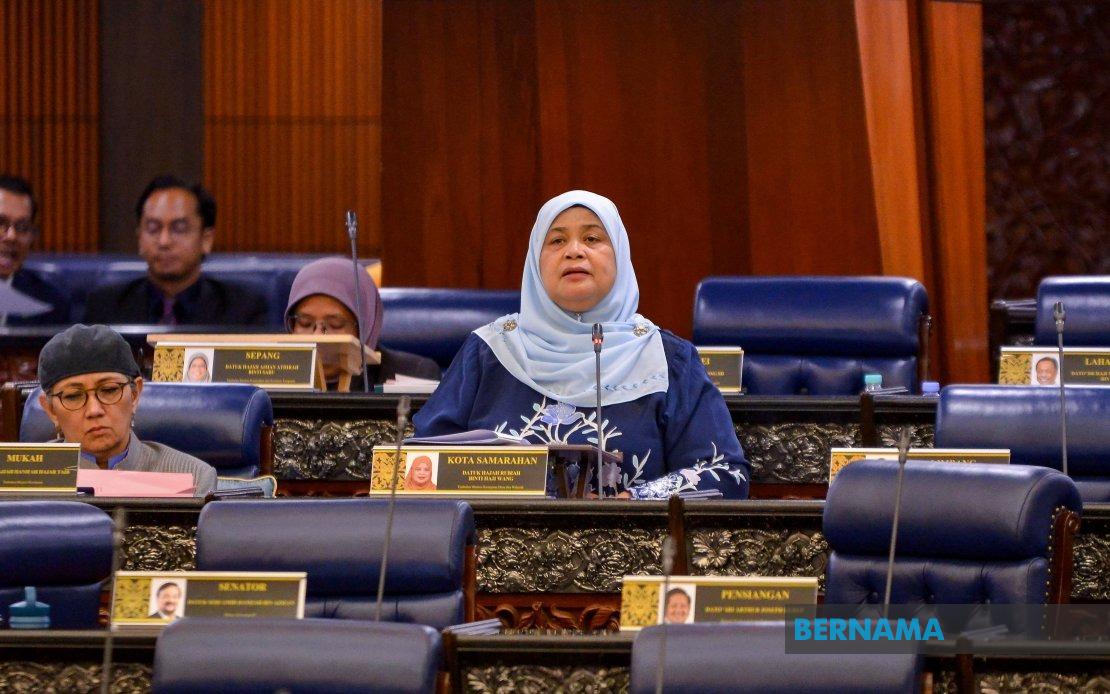
Malaysia is moving to substantially upgrade its Technical and Vocational Education and Training (TVET) ecosystem through a comprehensive accreditation transformation that embeds direct recognition from leading industrial stakeholders. During parliamentary proceedings in Kuala Lumpur, Deputy Minister of Rural and Regional Development Datuk Rubiah Wang detailed how this strategic recalibration will ensure vocational graduates possess competencies that genuinely match real-world labour market demands, thereby tackling the persistent challenge of skills misalignment that has long hindered graduate placement rates across the nation.
The TVET 2.0 initiative represents a deliberate pivot away from traditional, classroom-centric models towards an industry-responsive framework. By securing formal endorsement from major employers and industry bodies, the Ministry of Rural and Regional Development aims to create a direct feedback loop that keeps curriculum development and skills certification aligned with evolving workplace requirements. This approach acknowledges a fundamental weakness in many vocational programmes globally: graduates acquiring qualifications that, while academically sound, fail to translate into immediate employment opportunities because they lack skills employers actively seek. The transformation signals recognition that vocational education cannot operate in isolation from the commercial landscape it purports to serve.
A critical dimension of the TVET 2.0 strategy focuses on cultivating a new generation of techno-entrepreneurs capable of establishing their own enterprises rather than solely seeking employment. This entrepreneurial orientation holds particular significance for Malaysia's rural development agenda, where job creation within local economies remains a pressing challenge. By equipping TVET graduates not merely with technical proficiency but with business acumen and innovation mindsets, the ministry seeks to catalyse grassroots economic activity that extends prosperity beyond urban centres. The emphasis on job creation reflects understanding that sustainable rural development hinges on locally-generated opportunity, not perpetual migration to metropolitan areas.
The TVET Tahfiz programme exemplifies the government's commitment to integrating spiritual and character development within vocational training. This initiative produces huffaz—individuals who have memorized the Quran—whilst simultaneously equipping them with digital and advanced technological competencies. Such integration addresses a broader policy objective of fostering holistic human capital development that balances moral and spiritual grounding with technical excellence. For Malaysia's multicultural society, programmes that weave ethical foundations into skills training carry additional significance in preparing graduates who can function effectively across diverse workplace environments.
The ministry's TVET institutions are systematically embedding cutting-edge technological domains into their curricula. Artificial intelligence, Internet of Things, cloud computing, cybersecurity, automation, robotics, and smart manufacturing represent the technological frontier where skilled workers command premium compensation and abundant opportunities. By prioritizing these sectors now, Malaysia positions itself to capture emerging employment opportunities as industries worldwide undergo digital transformation. The proactive approach contrasts with reactive models where vocational systems lag industry evolution by several years, leaving graduates competing for obsolete skill sets.
Specialized institutional centres have been strategically established to develop concentrated expertise in high-demand fields. TVETMARA Petaling Jaya's focus on Internet of Things, TVETMARA Besut's dedication to cloud computing infrastructure, and TVETMARA Pasir MAS's positioning as a Building Information Modelling hub represent deliberate geographic and sectoral distribution of advanced capabilities. This decentralization strategy serves multiple policy objectives simultaneously: it distributes sophisticated training facilities across regions rather than concentrating them in the Klang Valley, thereby enhancing accessibility for students in East Malaysia and peripheral peninsular areas whilst establishing regional centres of vocational excellence that can anchor local economic development.
The German-Malaysian Institute's emphasis on transferring advanced German manufacturing technology reflects strategic international collaboration in skills development. Germany's reputation for engineering excellence and precision manufacturing provides a credible framework for upgrading Malaysian industrial capabilities. Through structured knowledge transfer aligned with Industry 4.0 principles, the partnership enables Malaysian technicians to master sophisticated production methodologies that can enhance competitiveness of domestic manufacturing enterprises. Such international cooperation in vocational training demonstrates that Malaysia need not develop all expertise domestically when strategic partnerships can accelerate capability development.
At the higher education tier, Universiti Kuala Lumpur's Bachelor of Artificial Intelligence Technology programme bridges the distinction between traditional TVET and university-level qualification. This positioning allows students pursuing vocational pathways to progress toward degree-level credentials in emerging high-value sectors, creating clear progression routes rather than categorical divisions between vocational and academic trajectories. The programme's existence signals that artificial intelligence competency is no longer confined to research institutions or large technology corporations but constitutes essential knowledge for diverse professional contexts. Malaysian learners from vocational backgrounds can therefore access educational pathways that were previously unavailable or limited.
The skills mismatch challenge that TVET 2.0 targets remains endemic across Southeast Asia. Even as economies transition toward advanced manufacturing and digital services, employers frequently report difficulty recruiting workers with appropriate qualifications. Simultaneously, graduates struggle to secure placements despite formal credentials. This paradox arises partly because educational systems often operate independently from labour market actors, creating disconnect between what institutions teach and what businesses require. Malaysia's accreditation transformation directly confronts this institutional failure by formalizing industry participation in determining competency standards, effectively making employers co-architects of vocational curriculum rather than passive recipients of graduate cohorts.
For Malaysian workers and families evaluating vocational versus academic pathways, TVET 2.0's emphasis on industry recognition and employability carries substantial implications. Traditional hesitation toward vocational options—rooted in perceptions of limited mobility and prestige—may gradually diminish if graduates consistently secure desirable placements in high-technology sectors commanding competitive salaries. As vocational pathways demonstrably correlate with employment and entrepreneurial success, social attitudes toward TVET may shift, potentially increasing enrolments among talented students who might otherwise pursue academic credentials regardless of labour market relevance.
The regional context further illuminates the significance of Malaysia's TVET modernization. Singapore and Thailand have invested heavily in vocational systems aligned with advanced manufacturing and digital services, creating competitive advantage in attracting regional investment and developing skilled labour pools. Malaysia's TVET 2.0 initiative must be understood partly as strategic positioning within this regional competition for manufacturing investment and technology sector presence. Countries offering demonstrated supplies of workers competent in emerging technologies attract capital and high-value operations that generate employment and fiscal revenue. The accreditation transformation thus serves not merely domestic workforce development but national economic competitiveness in a regionally dynamic marketplace.
Looking forward, the success of TVET 2.0 will depend substantially on consistent execution across dozens of institutions and sustained commitment from industry partners to participate meaningfully in accreditation processes. Initial enthusiasm from government and educational administrators must translate into durable institutional practices where employers regularly contribute to curriculum development, validate competency assessments, and create employment pathways for graduates. Where this collaboration functions effectively, vocational education systems become instruments of genuine economic opportunity. Where bureaucratic inertia or inconsistent commitment prevails, reforms remain cosmetic. Malaysia's policy framework is now positioned correctly; execution will determine whether TVET 2.0 fulfils its ambitious objectives of reshaping how the nation develops technical talent and bridges the persistent gap between education and employment.

