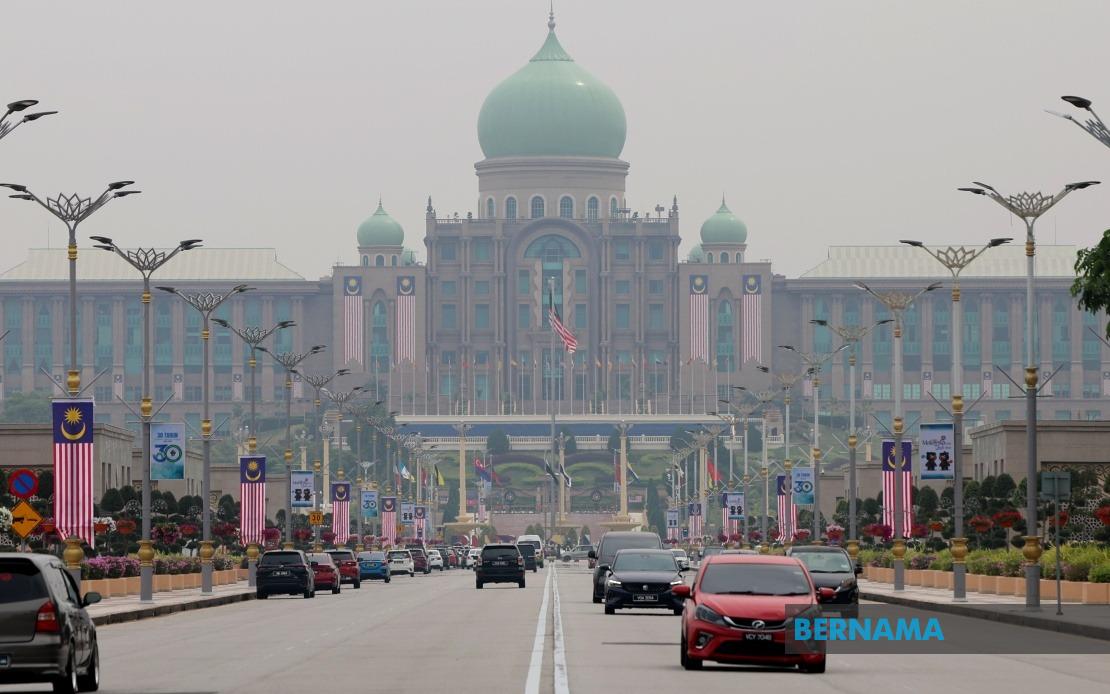
Malaysia is pressing all ASEAN member states to coordinate a comprehensive regional response to the mounting threat of transboundary haze, emphasizing that preventive action, national readiness and sustained vigilance are essential tools in tackling the recurring environmental challenge. The appeal comes as weather patterns across the southern portions of Southeast Asia have created conditions favourable for increased wildfire activity, with prolonged dry spells intensifying the risk of cross-border smoke and pollution. Through an official communication to ASEAN secretary-general Dr Kao Kim Hourn, Malaysia has outlined its position on the urgent need for unified action grounded in the principles enshrined within the ASEAN Agreement on Transboundary Haze Pollution (AATHP).
Natural Resources and Environmental Sustainability Minister Datuk Seri Arthur Joseph Kurup has articulated the specific measures required to strengthen regional preparedness. These include reinforcing control mechanisms across all member states, maintaining intensive surveillance of zones prone to fires, tightening enforcement of prohibitions on open burning practices, and ensuring that firefighting capabilities remain operationally sound and ready for rapid deployment. The minister emphasized that these steps must be pursued in concert rather than in isolation, as the interconnected nature of atmospheric conditions means that fires in one country can easily translate into haze affecting neighbours thousands of kilometres away. This interconnectedness has long been a defining feature of Southeast Asia's environmental challenges, with the region's shared airspace making unilateral action insufficient.
While fire incidents currently remain contained within the borders of individual member states, the structural vulnerability of the region to haze episodes demands that governments move beyond simply managing domestic situations. The minister's statement reflects a recognition that reactive measures—addressing haze only after it has spread—are far less effective than proactive strategies implemented before fires reach critical scales. Early intervention mechanisms, the sharing of accurate and timely information, and coordinated action across borders represent the foundational elements of any successful haze mitigation strategy. Without these components operating in tandem, even well-resourced individual countries find themselves unable to prevent the transnational spread of air pollution.
Current meteorological monitoring has revealed a concerning pattern: prolonged dry conditions persisting across southern ASEAN regions have substantially increased hotspot activity and associated haze concentrations. This trend is particularly worrying given the projected strengthening of the El Niño phenomenon over the coming months. El Niño episodes historically correlate with drier-than-normal conditions across much of Southeast Asia, creating an extended window during which fire risk remains elevated and haze episodes more frequent and severe. The prospect of an intensifying El Niño thus raises the stakes considerably, suggesting that the region may face a protracted period of heightened vulnerability unless preventive measures are robustly implemented and maintained.
The ASEAN Secretariat's role as the Interim ASEAN Coordinating Centre for Transboundary Haze Pollution Control (ACC THPC) has become increasingly vital in this context. Malaysia has acknowledged the proactive stance adopted by the secretariat in disseminating critical information among member states, orchestrating preparedness initiatives, and fortifying cooperative frameworks established under the AATHP. The centre serves as a clearing house for hotspot data, weather intelligence, and operational updates from national authorities, enabling governments to make informed decisions about resource allocation and response strategies. This coordinating function is essential in a region where communication gaps or information asymmetries can lead to delayed responses and suboptimal outcomes.
The call for unified action reflects broader recognitions within Malaysian policy circles about the limitations of compartmentalized environmental governance. Haze, by its very nature, transcends political boundaries and cannot be adequately managed through domestic policies alone, no matter how stringent. This understanding has become more acute as climate variability increases the frequency and intensity of conditions conducive to large-scale fire events. Malaysia's emphasis on the need for collective commitment from all ASEAN partners underscores the principle that regional environmental challenges require regional solutions, with each country accepting responsibility for preventing fires within its territory while simultaneously assisting neighbours when cross-border impacts occur.
For Malaysian readers and the broader Southeast Asian public, the implications of this haze challenge extend beyond air quality concerns. Transboundary haze disrupts economic activity, strains healthcare systems dealing with respiratory illnesses, affects agricultural productivity, and undermines the region's investment attractiveness. Tourism sectors in multiple countries suffer when haze episodes reduce visibility and discourage travellers. Manufacturing operations face disruptions due to visibility-related safety concerns and the suspension of outdoor activities. Schools close, sporting events are postponed, and outdoor commerce grinds to a halt. The cumulative economic cost of severe haze episodes runs into billions of ringgit across the region, making the prevention of such episodes not merely an environmental imperative but an economic necessity.
Minister Kurup's statement reflects confidence that the combination of political will, technical capacity, and institutional mechanisms now in place can produce meaningful results. Yet this optimism must be tempered with recognition that success requires sustained effort and genuine commitment from every ASEAN member state. Some countries have made substantial investments in fire prevention and monitoring infrastructure, while others face resource constraints that limit their capacity for rapid response. The AATHP framework and the ACC THPC exist to bridge these capacity gaps through burden-sharing and knowledge exchange, but their effectiveness ultimately depends on the resources allocated and the priority assigned by national governments.
The strengthening of El Niño conditions creates a natural deadline for implementing enhanced preparedness measures. If the predicted intensification materializes, the window for prevention efforts will narrow as dry conditions persist and fire risk peaks. This temporal dimension adds urgency to Malaysia's call for collective action. Member states that have not yet upgraded their monitoring systems, expanded their firefighting capabilities, or strengthened their open burning prohibitions face escalating pressure to do so immediately rather than deferring action to future planning cycles. The cost of implementing preventive measures now is substantially lower than the cost of managing haze crises after they have spread across borders and affected millions of people.
Looking forward, Malaysia's position also implicitly advocates for strengthened mechanisms within the AATHP framework itself. While the agreement establishes principles and obligations, translating these into consistent operational practices across all member states has proven challenging. Some countries have implemented strict enforcement of open burning bans, while others have struggled with implementation due to economic pressures on agricultural communities reliant on burning for land clearance. Creating pathways for compliance assistance, alternative livelihood support for communities that currently depend on burning, and capacity building for fire prevention represent logical extensions of the regional coordination approach that Malaysia is advancing.
The regional dimension of Malaysia's appeal also reflects the country's growing confidence in ASEAN as a forum for addressing transnational environmental challenges. By framing the haze issue within ASEAN multilateralism and emphasizing the role of the ASEAN Secretariat and the ACC THPC, Malaysia is reinforcing the principle that Southeast Asian solutions to Southeast Asian problems are preferable to external interventions or bilateral arrangements. This approach resonates with ASEAN's foundational commitment to regional autonomy and mutual respect for sovereignty, even as it acknowledges that some issues genuinely require collective action to resolve.
Ultimately, Malaysia's call for ASEAN collective action on transboundary haze represents both a practical response to an immediate environmental threat and a broader statement about regional cooperation in the era of climate variability. As El Niño conditions strengthen and weather patterns become increasingly unpredictable, the willingness of Southeast Asian governments to coordinate their environmental management efforts will become even more critical. The mechanisms and principles invoked in this appeal—early intervention, information sharing, enforcement coordination, and burden-sharing—offer a template that could be extended to other regional environmental challenges, from marine pollution to deforestation. Whether ASEAN member states can translate rhetorical commitments into sustained operational coordination will determine whether transboundary haze becomes a manageable problem or a recurring crisis that periodically disrupts the region's development trajectory.

