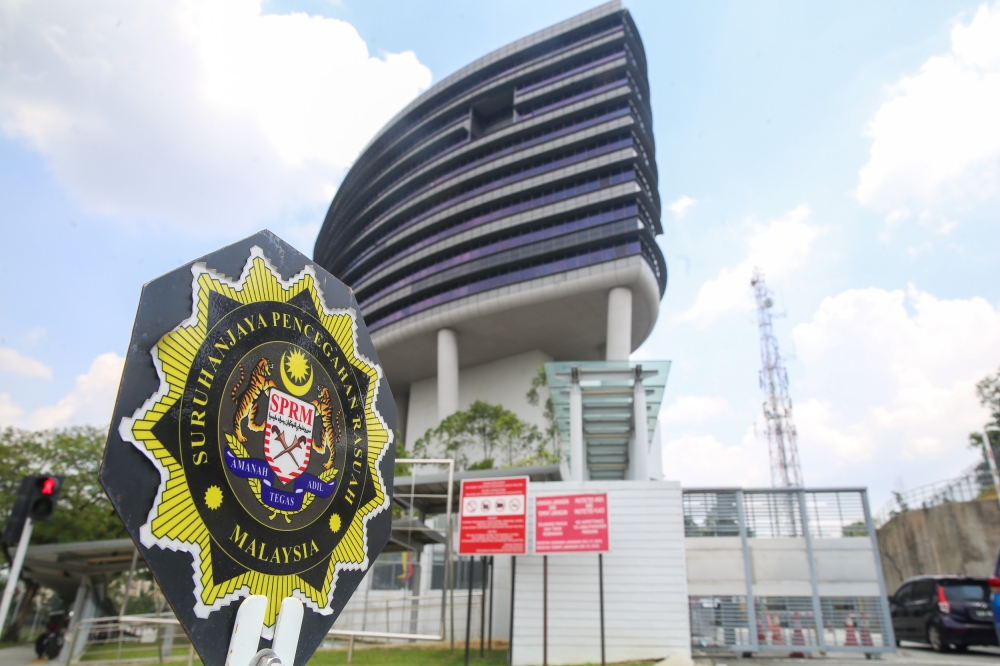
Malaysia is positioning itself as a hub for regional anti-corruption efforts by hosting a major gathering of Southeast Asian anti-graft authorities this month. The Malaysian Anti-Corruption Commission (MACC) will convene the 22nd Asean Prosecutors and Anti-Corruption Network Forum, bringing together senior officials from across the region to tackle the persistent challenge of cross-border corruption that undermines development and public trust throughout the bloc.
The conference represents a critical moment for Southeast Asia, where corruption continues to drain billions in public resources annually and distort business competition. Malaysia's role as host underscores the country's commitment to strengthening institutional frameworks against graft at a time when transnational corruption schemes increasingly exploit weak coordination between neighbouring jurisdictions. By hosting this platform, Kuala Lumpur demonstrates its willingness to lead regional efforts despite the nation's own recent history of high-profile corruption cases that have tested public institutions and prompted reforms.
Regional cooperation against corruption has become essential as criminal syndicates and corrupt officials exploit jurisdictional boundaries to hide illicit assets and evade prosecution. The Asean-PAC mechanism serves as a formal channel for prosecutors and anti-corruption agencies to share intelligence, harmonise enforcement approaches, and build capacity across member states. For Malaysia specifically, participation in such networks helps MACC benefit from international best practices while contributing its own experience navigating complex investigations involving multiple jurisdictions and sophisticated money-laundering schemes.
The timing of this gathering reflects broader concerns about corruption's impact on Asean's economic integration and regional stability. As countries deepen trade links and investment flows under frameworks like the ASEAN Framework Agreement on Trade in Services, the absence of robust anti-corruption coordination creates vulnerabilities. Corrupt officials and business interests can exploit regulatory gaps between nations, undermining fair competition and deterring legitimate foreign investment. The conference provides an opportunity to address these vulnerabilities through practical cooperation mechanisms.
One significant agenda item will likely involve enhancing information-sharing protocols between national authorities. Many Asean countries lack comprehensive frameworks for requesting and exchanging intelligence during corruption investigations, particularly when assets are hidden abroad or conspiracies involve multiple nations. The forum can facilitate the development of standardised procedures, mutual legal assistance agreements, and joint investigation techniques that accelerate prosecutions while protecting witnesses and sensitive intelligence sources. Malaysia, having managed several high-profile transnational cases, can share institutional lessons from its experience.
Capacity-building emerges as another critical dimension of the discussion. While some Asean agencies possess sophisticated forensic accounting capabilities and digital investigation tools, others lack adequate resources and training. A coordinated regional approach allows resource-rich nations to mentor counterparts, establishing training programmes and technical expertise-sharing that gradually raises enforcement standards across the bloc. This graduated approach acknowledges different development levels while building momentum toward comprehensive regional standards that make corruption increasingly costly and risky.
The conference will likely address challenges specific to Southeast Asia's economic context, including corruption in natural resource extraction, infrastructure procurement, and financial services. The region's rapid urbanisation and infrastructure development have created enormous procurement opportunities, and inadequate oversight in tendering processes enables officials to extract bribes. Similarly, the growing significance of digital payments and cryptocurrency in cross-border transactions creates novel concealment methods that existing regulations struggle to address. Prosecutors and anti-corruption officials must collectively develop responses to these emerging challenges.
Malaysia's hosting role carries diplomatic dimensions beyond institutional cooperation. It signals confidence in domestic institutions following years of high-profile prosecutions and institutional reforms that restored public and international credibility to anti-corruption efforts. The decision to convene this gathering in Kuala Lumpur demonstrates regional peers' trust in Malaysian competence and impartiality, validating the reforms undertaken by MACC and the judiciary. This renewed confidence strengthens Malaysia's influence in regional forums and positions the country as a responsible institutional player capable of managing sensitive discussions about governance.
International observers view such regional cooperation mechanisms as essential infrastructure for development and stability. Corruption, particularly when large-scale and organised, discourages investment, distorts resource allocation, and erodes public institutions' legitimacy. Asean economies competing for foreign capital cannot afford the inefficiencies and reputational costs that high corruption levels impose. Regional cooperation frameworks acknowledge that no single country can effectively combat sophisticated corruption schemes operating across borders, necessitating coordinated multilateral responses.
The outcomes from this conference will likely shape anti-corruption enforcement across Southeast Asia for the coming years. Concrete agreements on intelligence-sharing, training initiatives, and harmonised investigative standards can significantly enhance prosecution rates for major corruption cases. Conversely, rhetorical commitments without implementation mechanisms will disappoint stakeholders expecting tangible progress. Malaysia's effectiveness in facilitating substantive agreements will influence whether this gathering represents meaningful institutional advancement or another symbolic exercise in regional cooperation.
Looking forward, the success of such forums depends on sustained political commitment from Asean governments to prioritise anti-corruption enforcement even when it implicates powerful figures or entrenched interests. The willingness to follow investigations wherever evidence leads, regardless of political consequences, distinguishes effective anti-corruption institutions from ineffectual ones. Regional cooperation mechanisms amplify this commitment by creating peer pressure and mutual accountability among participating agencies, making it harder for individual governments to shield corrupt officials from prosecution. Malaysia's leadership at this conference reflects an understanding that strengthening institutions across the region ultimately benefits all Asean member states through more predictable governance and reduced financial leakage to illicit purposes.

