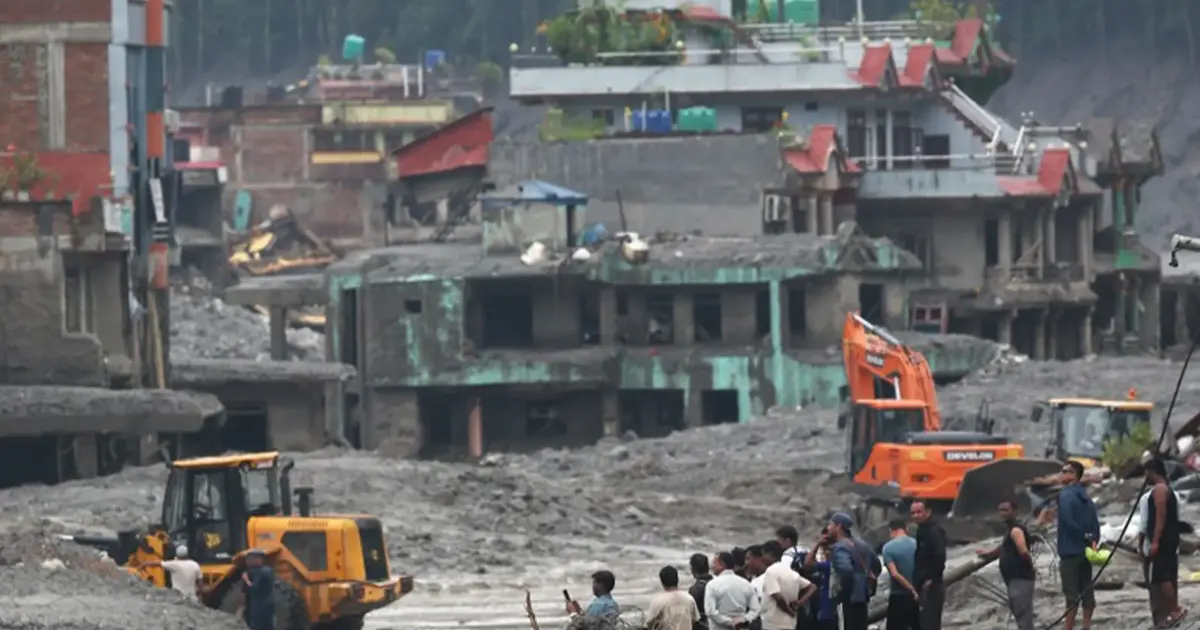
Malaysia has committed to sending its specialized SMART team to Nepal in response to the country's humanitarian crisis, with Prime Minister Anwar Ibrahim confirming that preparations are underway for the mission. The Malaysian government is actively liaising with Nepali authorities to facilitate the quickest possible deployment of the disaster response unit, underscoring the regional commitment to providing immediate assistance during the emergency.
The SMART team, which stands for Search and Rescue Management in Malaysia's civil protection framework, represents one of the country's most capable urban search and rescue units. These teams are trained to operate in complex disaster environments, combining expertise in structural engineering, medical response, and logistics coordination. Malaysia has consistently deployed such units during regional disasters, establishing the country as a reliable partner in Southeast Asian emergency response operations.
Nepal has experienced devastating earthquakes in recent years, with the 2015 earthquake killing nearly 9,000 people and causing widespread infrastructure damage. The country's mountainous terrain and building standards make it particularly vulnerable to seismic events, and recovery operations in such environments demand specialized technical expertise. Malaysian rescue teams bring valuable experience from similar operations across the Asia-Pacific region, where they have participated in responses to natural disasters in Indonesia, Thailand, and the Philippines.
The decision to deploy the SMART team reflects Malaysia's broader foreign policy approach under the Anwar Ibrahim administration, which has emphasized active regional engagement and humanitarian responsibility. Positioning itself as a constructive middle power, Malaysia has sought to strengthen ties with neighbouring countries through practical cooperation mechanisms. Disaster relief operations serve as tangible expressions of this commitment, building goodwill and demonstrating Malaysia's capacity to contribute meaningfully during crises.
The coordination process between Malaysian and Nepali authorities involves multiple layers of diplomatic and operational planning. Officials must align on logistics, including transportation arrangements, accommodation, security protocols, and operational command structures. The Nepali government must formally request international assistance and specify particular areas where Malaysian expertise would be most valuable. These bureaucratic frameworks, while sometimes slow, ensure that international responses complement rather than complicate local rescue efforts.
Timing is critical in earthquake response operations, as the window for finding survivors diminishes rapidly after the initial disaster. Specialized teams must mobilize within days rather than weeks to maximize their effectiveness. Malaysia's pre-positioned logistics networks and established relationships with Nepal facilitate faster deployment compared to less-engaged countries. The Prime Minister's public commitment to speed signals that Malaysia will prioritize efficiency in this operation, potentially deploying advance teams while support elements are being finalized.
Malaysia's regional role in disaster response has evolved significantly over the past two decades. The 2004 Indian Ocean tsunami transformed Malaysian thinking about emergency preparedness and international collaboration. Since then, the country has invested substantially in training and equipping rescue teams, recognizing that geography and the region's seismic activity make natural disasters an inevitable challenge. This investment has created institutional capacity that benefits not only Malaysia but the broader region.
The deployment will likely include structural engineers capable of assessing building safety, search and rescue personnel trained in operating within unstable ruins, medical teams prepared for mass casualty management, and logistics coordinators ensuring supplies reach affected populations. Malaysian team composition typically reflects lessons learned from previous operations, adjusting specializations based on the specific challenges presented by each disaster. Nepal's earthquake would demand particular emphasis on mountain rescue techniques and cold-weather operations if damage extends to higher elevations.
Regional cooperation in disaster management demonstrates how countries can transcend diplomatic tensions through shared humanitarian values. Earthquake relief knows no political boundaries—affected populations require assistance regardless of their government's alignment with Malaysian interests. This universalist approach to emergency response has become increasingly important in Southeast Asia, where multiple countries face similar natural hazard risks and benefit from mutual aid arrangements.
The announcement also highlights Malaysia's diplomatic strategy within South Asia, a region where the country maintains formal ties but has historically played a less prominent role compared to major powers. By dispatching capable technical teams, Malaysia signals willingness to engage constructively with countries across the Indian subcontinent. This positions the nation as a responsible stakeholder in regional stability and prosperity, complementing its primary focus on Southeast Asia.
The SMART team deployment represents investment in soft power—the ability to influence other nations through attraction rather than coercion. Countries that provide generous disaster assistance earn substantial diplomatic dividends, creating reservoirs of goodwill that can be mobilized in future negotiations and collaborations. For Malaysia, each successful operation strengthens its reputation as a dependable partner and capable contributor to collective security.
As Malaysian officials coordinate final details with their Nepali counterparts, the operation underscores how middle powers can punch above their weight through specialized expertise and reliable partnership. Malaysia's approach—combining technical capability with genuine commitment to rapid assistance—offers a model for how regional nations can address transnational challenges. The successful deployment of the SMART team will demonstrate Malaysian capacity while supporting Nepal's recovery during a critical period when international assistance determines whether communities can rebuild effectively.

