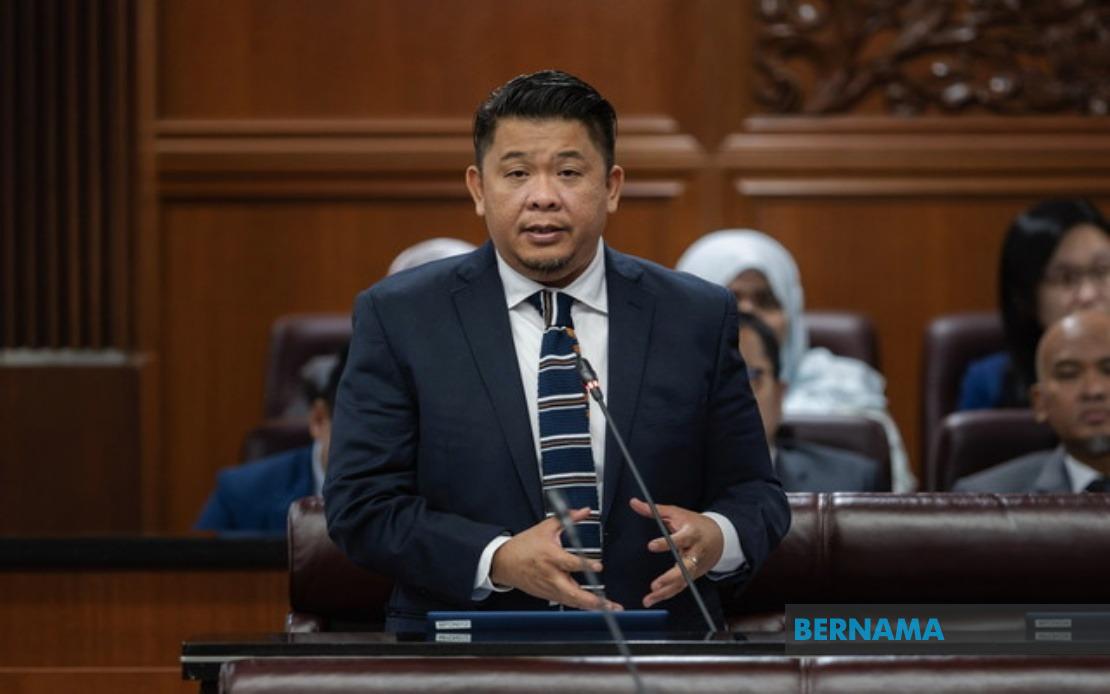
Malaysia's Foreign Ministry has placed itself on heightened alert, actively tracking the whereabouts of 21,427 citizens scattered across 14 countries experiencing active conflict or geopolitical tension. Deputy Foreign Minister Datuk Lukanisman Awang Sauni disclosed this monitoring capability during a parliamentary session in Dewan Negara, emphasising that the government has invested significantly in preparedness measures to ensure rapid response capabilities should deteriorating security necessitate large-scale evacuations of Malaysian nationals.
The commitment to tracking and protecting citizens abroad reflects lessons learned from handling previous international crises. Lukanisman underscored that Wisma Putra, the Foreign Ministry's headquarters, has leveraged past experiences to construct what he described as a comprehensive response framework. This institutional memory has proven valuable in identifying vulnerabilities and refining protocols that govern how Malaysia mobilises resources during emergencies affecting its diaspora. The government's approach now encompasses not merely reactive measures but proactive surveillance and coordination mechanisms designed to prevent situations from escalating to the point where mass evacuation becomes necessary.
The operational architecture supporting this monitoring system involves an extensive network of stakeholders working in concert. The Foreign Ministry coordinates with relevant government departments and agencies responsible for security, defence, and civilian welfare. Additionally, non-governmental organisations operating across conflict zones provide on-the-ground intelligence and assistance networks. Travel agencies and umrah operators, particularly important given Malaysia's Muslim population and pilgrimage patterns, feed information about Malaysian citizen movements into centralised tracking systems. The Royal Malaysian Air Force stands ready to provide transport capacity, while commercial airlines have been pre-positioned as potential charter flight providers should evacuations require airlift beyond military capabilities.
Petroleums Nasional Bhd, Malaysia's national oil company with substantial Middle Eastern operations, maintains its own subsidiary evacuation arrangements for its workforce. This multi-layered approach recognises that different communities abroad require tailored support strategies. Corporate employees may require different evacuation logistics than students or tourists. The existence of Petronas-specific planning demonstrates how the government has encouraged major private sector entities to develop contingency arrangements complementary to official protocols, thereby reducing burden on state resources while ensuring no Malaysian is left without an evacuation pathway.
All Malaysian diplomatic missions, encompassing embassies, high commissions, and consulates worldwide, maintain constantly updated contingency plans specific to their respective jurisdictions. These localised frameworks address the particular threat profiles and geographical realities of each country. The plans incorporate detailed mapping of Malaysian citizen locations, established communication protocols with identified populations, pre-arranged resource coordination mechanisms, and specific evacuation strategies tailored to regional circumstances. Rather than imposing uniform procedures, the Foreign Ministry allows missions flexibility in implementation while maintaining strategic alignment with national priorities and capabilities.
Citizens abroad play an active role in this protective architecture. Lukanisman encouraged all Malaysians outside the country, whether residing long-term or visiting temporarily, to register their presence with the nearest diplomatic mission through multiple channels including email, telephone contact, or the government's e-Consular system. This voluntary registration creates a database enabling rapid identification and communication with Malaysian nationals should emergencies materialise. Beyond registration, the government has promoted the MyWorldAlert application as a tool allowing citizens to receive real-time information regarding security developments and access guidance on obtaining emergency assistance from diplomatic staff.
The West Asian conflict that intensified earlier in 2024 tested these systems in real time. The Foreign Ministry responded by issuing three separate travel advisories as the situation evolved, providing citizens and potential travellers with updated information about security risks and flight disruptions. The initial period witnessed significant airspace closures affecting the region, complicating both travel and evacuation options. However, the announcement of a ceasefire on April 8 marked a turning point, with airspace gradually reopening and security conditions stabilising. This trajectory demonstrates both the fluidity of conflict zones and the capacity of diplomatic channels to communicate changing circumstances to affected populations.
The emphasis on preparedness rather than perpetual alarm reflects sophisticated risk management. Lukanisman explained that plans remain dormant until activated according to assessed threat levels and the number of Malaysians actually affected by deteriorating conditions. Risk evaluation considers multiple factors including local security developments, geopolitical indicators, and intelligence assessments. Rather than maintaining permanent emergency footing that would prove exhausting and economically inefficient, the system operates on graduated alert levels, escalating coordination intensity as situations worsen. This approach balances protection imperatives against maintaining normal diplomatic and economic relationships in stable regions.
For Malaysian students abroad, particularly those concentrated in regions occasionally experiencing unrest, the existence of institutional evacuation capacity provides reassurance to both families and educational institutions. Students pursuing studies in the Middle East, a traditional destination for Malaysian learners, benefit from the same monitoring and evacuation protocols as other nationals. The government's demonstrated commitment to tracking and protecting this demographic acknowledges that young citizens abroad often lack experience navigating crisis situations and require coordinated institutional support.
The umrah pilgrimage phenomenon adds another dimension to evacuation planning. Hundreds of thousands of Malaysians undertake annual pilgrimage to Saudi Arabia and other Middle Eastern destinations. While most journeys proceed without incident, the scale of movement means that even minor regional disruptions can affect large numbers of Malaysian nationals simultaneously. The incorporation of umrah operators into the coordination framework ensures that organised pilgrimage groups maintain communication channels with authorities and understand evacuation procedures should conflict spread to pilgrimage destinations.
Regionally, Malaysia's approach to citizen protection reflects broader Southeast Asian vulnerabilities and vulnerabilities in an increasingly multipolar world. Countries with significant diaspora populations abroad face mounting pressure to demonstrate capacity for protecting nationals in distant conflict zones. Malaysia's investment in monitoring, coordination, and evacuation readiness positions it among more prepared nations, though the fundamental challenge of protecting citizens in active war zones remains daunting. The system works best in scenarios where conflicts remain contained to specific areas, allowing evacuation corridors to remain open.
Looking forward, the Foreign Ministry's demonstrated capability provides Malaysian policymakers with greater flexibility in international engagement. Confidence that citizens can be rapidly extracted from deteriorating situations enables Malaysia to maintain diplomatic and economic relationships in regions that experience periodic instability. However, reliance on foreign government cooperation for evacuation corridors and airspace access means that truly severe regional conflicts could overwhelm even well-designed national systems. The transparency with which Lukanisman discussed monitoring capabilities and evacuation readiness suggests official confidence in current arrangements while inviting public awareness of available registration and alert mechanisms.

