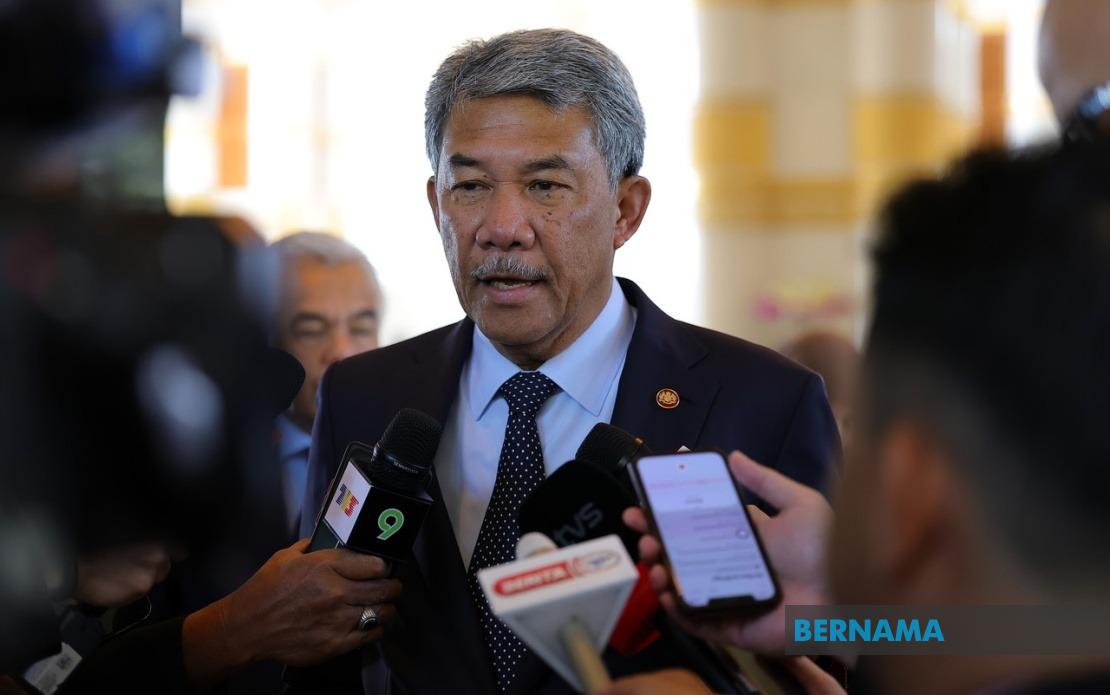
Malaysia is escalating efforts to combat the transboundary haze crisis by enlisting regional diplomacy through ASEAN, signalling that the environmental challenge requires coordinated multilateral action beyond bilateral arrangements. Foreign Minister Datuk Seri Mohamad Hasan outlined the government's strategy during a working visit to Brunei, emphasising that the 10-member regional bloc represents the appropriate institutional framework for addressing air pollution issues that transcend national borders. The decision underscores Malaysia's conviction that environmental problems affecting multiple ASEAN countries necessitate collective problem-solving mechanisms rather than isolated national responses.
The Malaysian government is preparing formal documentation to be submitted to the ASEAN Secretariat as part of this coordinated approach. The Ministry of Natural Resources and Environmental Sustainability (NRES), led by Datuk Seri Arthur Joseph Kurup, will lodge an official letter outlining Malaysia's concerns and proposed actions. Additionally, Minister Kurup intends to establish direct correspondence with his Indonesian counterpart, recognising Indonesia's significance in addressing the haze phenomenon given the country's geography and agricultural practices, particularly in regions prone to fires and land clearance activities that generate transboundary smoke.
The timing of Malaysia's diplomatic initiative coincides with high-level bilateral engagements in Brunei, where Mohamad conducted meetings as part of broader regional consultations. The 27th Malaysia-Brunei Exchange of Letters and the 27th Annual Leaders' Consultation scheduled for late August provided opportune platforms to discuss environmental concerns affecting both nations. Prime Minister Datuk Seri Anwar Ibrahim's discussions with Brunei's Sultan Hassanal Bolkiah were expected to incorporate haze-related matters, reflecting mutual recognition among ASEAN capitals that air quality degradation represents a shared challenge demanding coordinated regional response.
Contemporary air quality data from Malaysia's Air Pollutant Index Management System reveals the severity of the situation, particularly in Sarawak where multiple districts face hazardous conditions. The Serian District Police Headquarters recorded an API reading of 217, classified as "very unhealthy" and substantially exceeding WHO-recommended thresholds for safe human exposure. This elevated reading represents acute respiratory hazard for vulnerable populations, including children, elderly persons, and individuals with pre-existing lung conditions. Beyond Serian, nine additional Sarawak locations registered "unhealthy" category API readings, with Sri Aman reaching 186 and Kuching 171, indicating widespread air quality deterioration across the state.
The geographical distribution of hazardous readings across Sarawak—spanning coastal areas like Sarikei and Sibu as well as inland districts such as Kapit—demonstrates that transboundary haze penetration extends comprehensively across the state rather than affecting isolated pockets. Sri Aman's 186 API reading and Samarahan's 170 measurement indicate that central Sarawak experiences particularly acute pollution, while even peripheral areas like Mukah recorded concerning levels. This pattern suggests prevailing wind patterns are carrying pollutants across broad swathes of Malaysian territory, creating public health implications that demand urgent attention from environmental and health authorities.
For Malaysian readers, particularly those in affected regions, this haze episode illustrates the limitations of unilateral environmental management when transboundary phenomena are involved. Sarawak's reliance on regional air currents means that domestic air quality management initiatives, while necessary, remain insufficient without corresponding emission reduction efforts across the border. This reality underscores why Malaysian policymakers are pursuing ASEAN-level diplomatic channels; individual state efforts cannot address problems originating from external sources operating beyond Malaysian jurisdiction.
The ASEAN framework offers institutional mechanisms specifically designed for managing transnational environmental challenges. The regional bloc has previously addressed transboundary haze through the ASEAN Agreement on Transboundary Haze Pollution, though implementation remains inconsistent across member states. Malaysia's invocation of ASEAN mechanisms represents an attempt to reinvigorate this framework and encourage stricter compliance, particularly from countries whose domestic fire management and land-use practices generate the bulk of regional smoke emissions. Through the Secretariat and peer pressure among member states, Malaysia seeks to influence environmental policy implementation in neighbouring territories.
Indonesia occupies central importance in Malaysia's diplomatic calculations, given its vast forestry sector and seasonal burning practices that have historically triggered transboundary haze episodes affecting the entire region. Direct ministerial correspondence between NRES and Indonesian environmental authorities can facilitate technical discussions about fire prevention, early detection systems, and enforcement mechanisms against illegal burning. Such bilateral channels complement broader ASEAN initiatives by enabling detailed policy discussions tailored to specific bilateral contexts and historical grievances related to previous haze crises.
The haze crisis also intersects with Malaysia's broader climate change agenda and commitment to regional environmental sustainability. Southeast Asia faces mounting pressure to balance economic development with environmental preservation, and transboundary pollution episodes highlight the costs of inadequate environmental regulation. Malaysia's diplomatic push during this haze event carries implications beyond immediate air quality concerns; it signals the country's willingness to utilise regional institutions to enforce environmental standards and hold fellow ASEAN members accountable for transnational impacts of their domestic activities.
For Southeast Asian stability and economic cooperation, addressing transboundary haze requires balancing national sovereignty with collective responsibility. Malaysia's ASEAN-focused approach respects member state autonomy while creating forums where environmental consequences of domestic policies become subjects of multilateral discussion. This diplomatic strategy acknowledges that environmental challenges, unlike traditional security threats, cannot be managed unilaterally and demand institutional solutions emphasising cooperation rather than confrontation.
The current haze episode also underscores urgent necessity for improved early warning systems, real-time pollution monitoring across ASEAN territory, and expedited international cooperation frameworks. Malaysia's formal engagement with ASEAN institutions may catalyse discussions about upgrading regional monitoring capacity and establishing binding enforcement mechanisms with consequences for non-compliance. Such institutional strengthening would represent meaningful progress beyond previous general statements of concern during haze episodes.
Looking forward, Malaysia's diplomatic initiative carries potential to influence regional environmental governance standards. By positioning transboundary haze as an ASEAN-level priority requiring coordinated action, Malaysian officials are attempting to reframe environmental challenges as collective concerns rather than isolated national problems. This perspective, if embraced across the region, could generate momentum toward more rigorous environmental standards, improved fire management protocols, and accountability mechanisms that extend beyond rhetorical commitments to substantive policy changes affecting economic activities in neighbouring territories.

