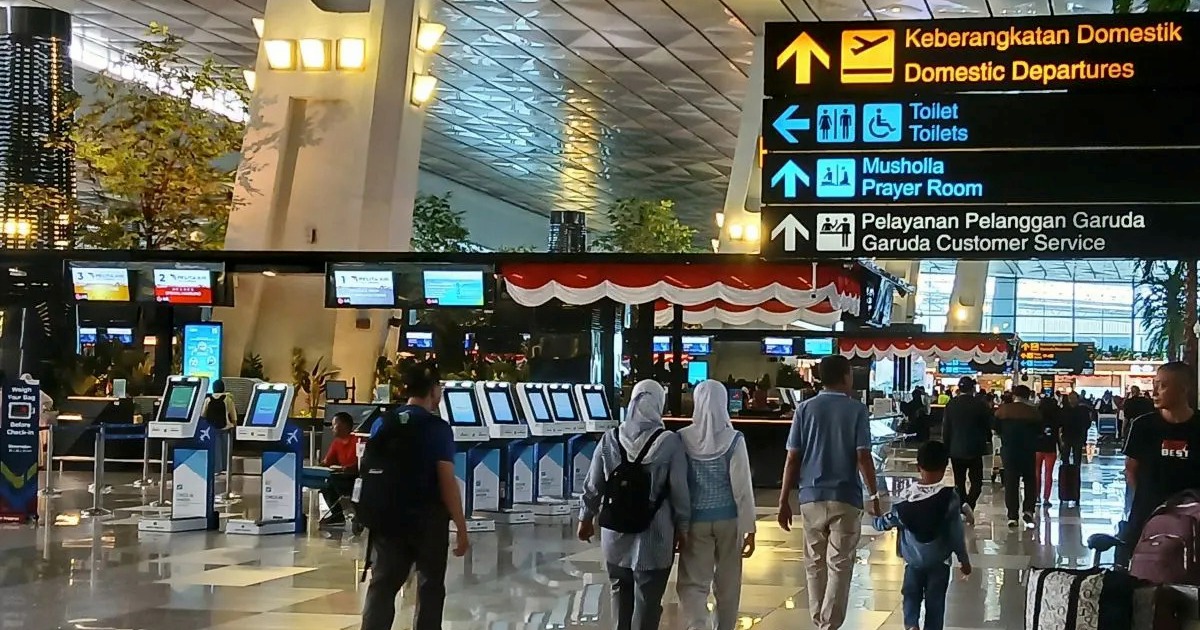
An upsetting development in transnational drug enforcement has emerged with the apprehension of a Malaysian pilot accused of orchestrating a substantial narcotics trafficking operation spanning the two neighbouring nations. The arrest, which took place at an Indonesian airport, reveals the ongoing vulnerability of transportation hubs to criminal exploitation, particularly when individuals with legitimate access to secure areas become compromised by criminal networks.
The alleged smuggling operation centred on the discovery of more than 70,000 ecstasy tablets, collectively weighing 25 kilograms, which authorities say the pilot was attempting to transport into Indonesia. The sheer volume of the confiscated pills suggests an operation aimed at wholesale distribution rather than personal consumption, indicating potential connections to larger drug trafficking syndicates operating across Southeast Asia. Such large-scale pharmaceutical smuggling often reflects sophisticated criminal logistics designed to circumvent standard customs procedures.
The involvement of an aviation professional in this case raises particular concerns about the channels through which contraband reaches international airports. Pilots occupy uniquely privileged positions within aviation infrastructure, possessing access to restricted areas, baggage handling procedures, and internal airport systems that would otherwise remain unavailable to ordinary travellers. When individuals in such positions become entangled with criminal elements, they create security vulnerabilities that extend far beyond simple border violations and can compromise entire airport operations.
The timing and location of the arrest underscore the critical role that Indonesia's airports play within regional drug trafficking networks. Historically, Indonesian authorities have grappled with the challenge of synthetic drug penetration, particularly concerning methamphetamine and MDMA derivatives smuggled from laboratories across Asia. The presence of such substantial quantities in a single shipment demonstrates that despite enhanced enforcement efforts, criminal organisations continue to identify and exploit routes and personnel for substance distribution.
For Malaysia, this incident carries significant diplomatic and law enforcement implications. Bilateral cooperation between Malaysian and Indonesian authorities on narcotics control remains essential, as criminal networks routinely exploit the porous nature of the region's maritime and air boundaries. The arrest reinforces the need for intensified vetting procedures within Malaysia's aviation sector, ensuring that personnel with access to aircraft and airport operations undergo rigorous background checks and periodic monitoring for suspicious behaviour or financial irregularities.
The broader regional context reveals that Southeast Asia has become an increasingly important transit zone for synthetic drugs destined for markets across Asia and beyond. Manufacturing centres concentrated in the region, combined with extensive transportation networks and sometimes lax enforcement, create conditions favourable for traffickers. Malaysia's strategic geographical position between major drug-producing regions and consumer markets in the east has made it a critical waypoint in these illicit supply chains.
From an enforcement perspective, the apprehension demonstrates that Indonesian authorities maintain active surveillance protocols at airports, though questions inevitably arise about whether detection represents proactive intelligence-gathering or fortunate chance discovery. The successful seizure suggests that coordination between airport security, customs officials, and intelligence agencies functioned adequately on this occasion, yet each such arrest typically reveals gaps in the system that criminal enterprises quickly exploit elsewhere.
The implications for aviation security across the region merit serious consideration. Airlines operating in Malaysia and Indonesia must strengthen their own internal compliance procedures, including enhanced crew screening, asset declaration requirements, and behavioural monitoring systems. The financial incentives offered by trafficking organisations can be substantial, particularly attractive to individuals facing personal economic pressures or debt obligations, necessitating proactive welfare and support mechanisms for aviation employees.
Investigators will likely focus on identifying the networks that supplied the merchandise, the intended recipients in Indonesia, and any accomplices within Malaysia's aviation infrastructure. Such investigations often reveal connections to larger organised crime syndicates with interests spanning gambling, money laundering, and other trafficking activities. Understanding these connections becomes crucial for dismantling networks rather than merely arresting individual actors.
Looking ahead, this case underscores the necessity for enhanced regional cooperation mechanisms addressing synthetic drug trafficking through aviation channels. Joint task forces involving Malaysian and Indonesian enforcement agencies, combined with intelligence sharing and harmonised legal frameworks, would strengthen the collective capacity to disrupt criminal operations before substances reach consumers. The involvement of a commercial pilot also justifies renewed attention to the screening and monitoring of personnel with airport access across Southeast Asia's aviation sector.

