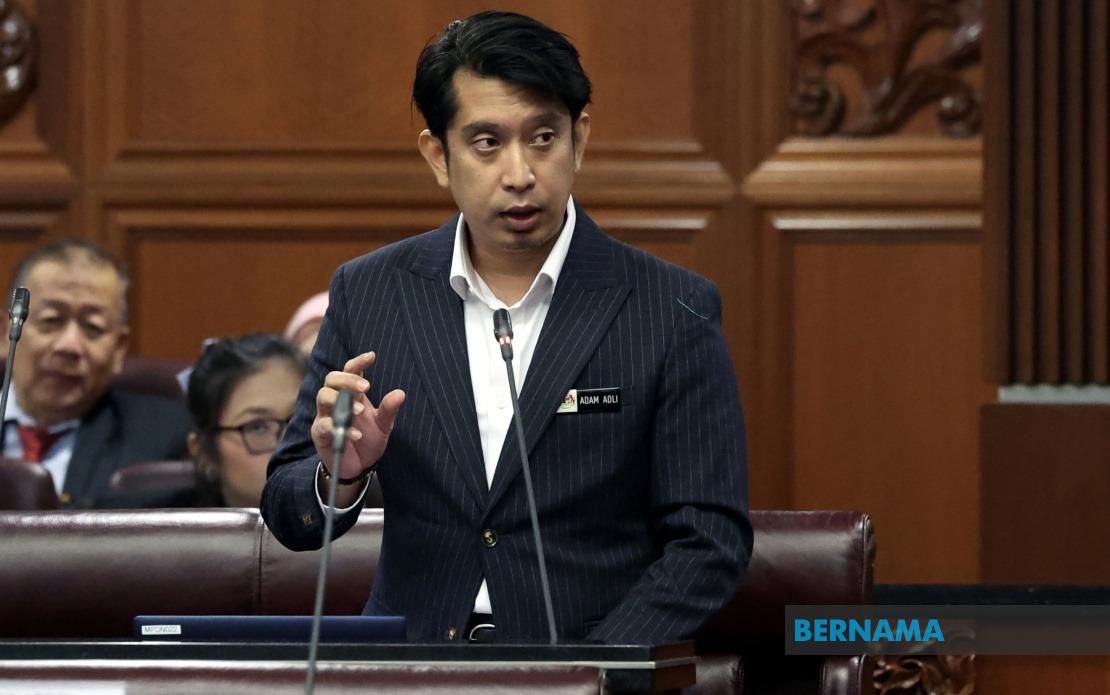
The Ministry of Higher Education is progressing development of a significant residential infrastructure project designed to house approximately 700 students in Betong, Sarawak, marking a strategic push to strengthen vocational training opportunities across Malaysia's rural interior. Deputy Higher Education Minister Adam Adli Abd Halim disclosed the initiative during parliamentary proceedings on June 29, characterising the hostel as part of a broader effort to remove geographic barriers that have traditionally limited access to quality technical and vocational education and training across less developed regions of the country.
The proposed facility would directly serve two institutions: Politeknik Metro Betong Sarawak (PMBS) and Kolej Komuniti Betong. Currently, PMBS operates well below capacity with just 291 enrolled students across its Diploma in Finance and Diploma in Tourism Management programmes, despite possessing infrastructure to accommodate up to 600 learners. This underutilisation reflects a persistent challenge in rural education—institutional infrastructure exists, yet students face practical barriers to accessing it, with accommodation costs and availability frequently cited as decisive factors in enrollment decisions among lower-income families in peripheral areas.
The Sarawak Land and Survey Department has identified an 8.814-hectare parcel of federally owned land in Batu Api district as the preferred location for construction. Situated approximately 650 metres from the PMBS campus, the site's proximity would facilitate seamless integration with existing academic facilities while maintaining independence as a residential complex. However, the project faces procedural requirements before advancement. The ministry must secure approval for a change in land classification and obtain clearance from the Prime Minister's Department, which holds ownership rights over the property.
The timeline for project completion remains deliberately cautious. Officials have indicated their determination to resolve the matter expeditiously, though no specific construction commencement date has been announced. This measured approach reflects government strategy to prioritise foundational student welfare considerations before pursuing structural upgrades to the institution itself. The hostel project thus precedes any formal proposal to convert PMBS into a fully-fledged conventional polytechnic—a request that was raised by parliamentary representative Datuk Dr Richard Rapu of GPS-Betong during the sitting.
Parallel to infrastructure expansion, the polytechnic plans curriculum diversification to attract broader student cohorts. Beginning in December 2026, PMBS will introduce a Diploma in Business Information Systems, adding to its existing offerings and potentially appealing to students seeking digital economy-oriented qualifications. This curricular addition demonstrates institutional awareness that accommodation alone cannot sustain growth; educational relevance and market alignment are equally critical factors in program success, particularly in regions where students must weigh opportunity costs of relocation against potential employment prospects.
The polytechnic's engagement with lifelong learning initiatives reveals the institution's broader mandate within Malaysia's technical education ecosystem. Beyond full-time diploma programmes, PMBS delivered short-term professional development courses during the prior year, including accounting and tourism management workshops that attracted 1,137 participants. This diversified service model positions the institution as a community education hub rather than a conventional residential college, particularly important in geographically isolated areas where concentrated educational resources serve multiple constituencies.
While the hostel project advances through administrative channels, PMBS has established a dedicated Student Residential and Accommodation Management Committee to address immediate welfare needs. This interim structure coordinates housing assistance, safety protocols, and support services for students currently renting private accommodation in surrounding communities. The committee's creation acknowledges that student success depends on more than classroom instruction—mental health, social integration, dietary stability, and security significantly influence academic outcomes, especially for youth living far from family support networks for the first time.
The Betong initiative reflects Malaysia's broader commitment to regional equity in higher education access. Rural students disproportionately face obstacles in pursuing tertiary qualifications due to geographic dispersion of institutions, inadequate public transportation, and family financial constraints. By concentrating residential facilities near polytechnics in peripheral zones, the government attempts to disaggregate these barriers and enable talented individuals regardless of economic background or birthplace to participate fully in technical education and subsequently in Malaysia's skilled workforce.
Sarawak's geographic context renders this project particularly significant. The state encompasses vast interior regions with limited institutional density. Betong, located in the southwestern interior, serves communities spread across considerable distances. A centrally located, well-supported polytechnic with residential capacity functions as a regional education anchor, drawing students from multiple districts and consolidating educational investment efficiency. For Malaysian policymakers prioritising equitable development across the federation's peninsula and island territories, such distributed infrastructure represents both economic investment and social commitment.
The project also addresses demographic realities within Malaysia's TVET sector. Technical education has historically attracted lower enrollment compared to academic streams, partly due to social perception and partly due to access constraints. By removing accommodation barriers in underserved regions, the ministry seeks to broaden the pool of individuals entering skilled trades and vocational professions. This expansion carries economic implications as Malaysia transitions toward advanced manufacturing, renewable energy, and digital infrastructure sectors requiring substantial technically trained workforces.
The 700-student capacity represents a carefully calibrated target reflecting realistic enrollment projections balanced against construction feasibility and operational costs. This sizing ensures the facility operates with sustainable occupancy rates while remaining expandable should institutional growth exceed current forecasts. For context, a 700-bed hostel would accommodate more than double PMBS's current enrollment, indicating confidence in marketing and curriculum initiatives driving future student recruitment across Sarawak and potentially adjacent regions.

