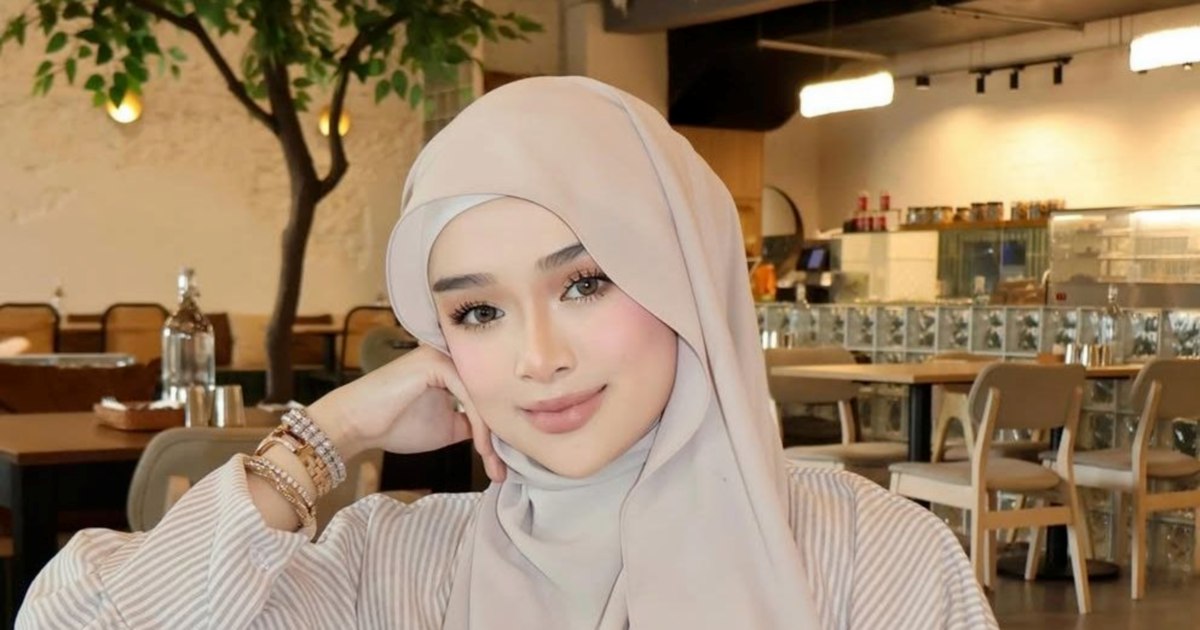
Social media influencer Marissa Dania has firmly rejected allegations that she has marginalised her mother, Abby Abadi, in favour of her father, Norman Hakim, and stepmother, Memey Suhaiza. The denial comes as speculation continues to circulate regarding the family dynamics within one of Malaysia's most closely watched celebrity households, where the boundaries between private matters and public discourse have become increasingly blurred through social media.
The controversy surrounding Marissa Dania's family relationships has drawn considerable attention from her substantial online following, with observers noting shifts in her public interactions and collaborations. Such dynamics are not uncommon within entertainment circles, particularly when influencers frequently document aspects of their personal lives for audience engagement. The nature of social media platforms, where algorithmic amplification rewards certain content patterns, often intensifies scrutiny of seemingly innocuous changes in family representation online.
Marissa Dania's response to these allegations reflects a broader pattern among Malaysian celebrities who increasingly feel compelled to address rumours directly through public statements. By engaging with the narrative rather than maintaining silence, she attempts to shape public perception and forestall further speculation. This approach recognises the reality that in contemporary Malaysia, where social media conversations can rapidly escalate, proactive communication often proves more effective than passive observation.
The influencer has specifically urged members of the public to refrain from drawing hasty conclusions based on fragmentary evidence or circumstantial interpretations of her social media activity. This cautionary message highlights the persistent challenge facing public figures in an age where audiences frequently construct elaborate theories from limited information. The gap between curated online presentation and actual family relationships remains substantial, yet contemporary media culture often collapses these distinctions.
Abby Abadi's position within family narratives that Marissa Dania presents online has apparently become a focal point for concerned followers who view their relationship as a barometer of genuine family harmony. The audience investment in celebrity family dynamics reflects broader cultural patterns, where the public increasingly expects transparency about personal relationships as compensation for consuming content from influencers' lives. This expectation creates particular pressure on public figures to maintain visible evidence of harmonious family connections.
Marissa Dania's categorical denial suggests frustration with the interpretive frameworks audiences impose on her content choices. What may simply reflect scheduling constraints, different professional focuses, or the natural ebb and flow of family interactions can quickly become reinterpreted as deliberate exclusion through the lens of social media analysis. The influencer's statement implicitly challenges viewers to consider alternative explanations before accepting narratives of family discord.
The situation also illuminates the peculiar social position of contemporary influencers, who navigate expectations to maintain both authentic-seeming content and clearly defined personal boundaries. Marissa Dania's response suggests tension between these competing demands—the desire to share life experiences with her audience while protecting family relationships from external judgment. This balancing act proves especially complex when family members themselves maintain public profiles or have experienced their own shifts in visibility.
Within Malaysian celebrity culture, family controversies frequently attract attention from traditional media outlets as well as social platforms, amplifying their reach and longevity. By issuing a formal response, Marissa Dania has created an additional news cycle that, paradoxically, may sustain rather than diminish discussion of the underlying allegations. However, such trade-offs appear preferable to allowing speculative narratives to develop unchecked, particularly when they touch on relationships with identifiable family members.
The influencer's request that audiences avoid premature judgments also serves a defensive function, establishing grounds to dismiss future criticism as unfounded or rooted in the very assumption she has asked audiences to question. This rhetorical strategy, while understandable, reflects the defensive posture increasingly adopted by public figures who find themselves subject to intensive scrutiny. It also raises questions about how social media environments can sustainably support meaningful conversations about family relationships without devolving into speculation and character assessment.
For Malaysian audiences following Marissa Dania's career, this episode offers a reminder of the constructed nature of influencer content. Even when personalities present themselves as documenting authentic daily life, the editorial choices involved remain substantial. Whether questions about Abby Abadi's visibility stem from deliberate strategies, logistical realities, or audience bias, the controversy underscores how difficult it has become to maintain purely private family relationships when one is accustomed to engaging professionally with audiences numbering in the hundreds of thousands.
Marissa Dania's public statement ultimately reflects contemporary celebrity in Malaysia, where denial and direct engagement have become standard responses to allegations. Whether this approach successfully resolves the underlying concerns or merely shifts the conversation remains to be seen. What appears certain is that influencers operating within the Malaysian market will continue facing pressure to navigate family representation in increasingly complex media environments.

