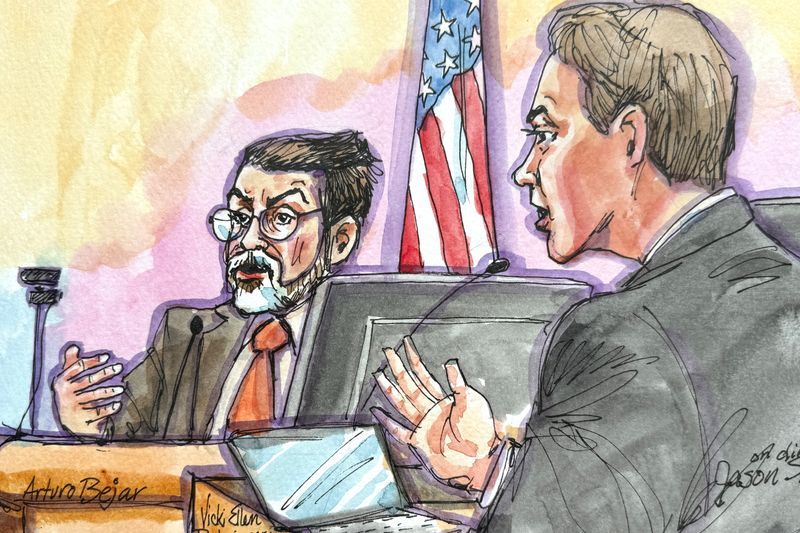
A former engineering director at Meta has resumed testimony in a high-stakes trial that could fundamentally reshape how Facebook and Instagram operate, bringing allegations that the company knowingly prioritised engagement over the safety of its youngest users. Arturo Bejar, who spent six years at the social media giant across two separate stints between 2009 and 2021, has become the focal point of a legal challenge that legal experts say represents the most significant examination yet of social media's actual impact on adolescent mental health and wellbeing.
The trial, now underway in Oakland, California, pits Meta against a coalition of states including California, Colorado, Kentucky and New Jersey, who argue that the company deliberately engineered its platforms to create dependency among teenagers whilst systematically misleading the public about safety measures. The allegations extend beyond addictive design; prosecutors also claim Meta violated federal law by improperly harvesting and exploiting personal data from users under 13, a particularly sensitive issue given the company's stated commitments to child protection. The case is scheduled to run for six weeks, with Bejar serving as the prosecution's opening witness.
During his tenure at Meta from 2019 to 2021 as an independent contractor, Bejar oversaw internal research into teen experiences on Instagram, placing him in a unique position to assess whether the company's public statements about child safety aligned with what it actually knew. His central claim is damning: Meta's own monitoring systems were fundamentally inadequate because they measured only the frequency of policy violations rather than quantifying the genuine harm young people actually experienced. This distinction matters enormously because a platform might remove thousands of harmful posts daily yet still expose millions of teenagers to damaging content if moderation lags behind the sheer volume of material published.
Bejar has documented his concerns through internal communications, including an email he sent directly to Meta's chief product officer Chris Cox that emphasised the stark disparity between what the company reported about content prevalence and what users themselves reported experiencing in terms of actual harm. His testimony to the jury went further, stating bluntly that young people faced concerning rates of negative experiences on the platform, implying that any responsible parent would have demanded access to this information before allowing their children to use these services. This framing is strategically important because it shifts the conversation from abstract metrics to concrete parental concern.
Meta has mounted a vigorous defence, denying all allegations and asserting that it takes teen safety seriously. The company has also challenged the admissibility of Bejar's testimony, arguing that his opinions exceed the boundaries of his actual work at the firm. The judge presiding over the case, U.S. District Judge Yvonne Gonzalez Rogers, rejected Meta's attempt to block Bejar's testimony, dismissing the company's argument as a long-shot effort to eliminate a particularly credible witness. Meta's legal team had attempted to undermine Bejar's credibility by pointing to deleted communications on the encrypted messaging platform Signal, but this strategy ultimately failed.
Bejar's prominence in this case is underscored by his previous testimony before the U.S. Senate in 2023, where he detailed how Meta was aware of harassment and other harms affecting teenagers but failed to take meaningful action. He has already served as a key witness in three other cases against Meta, including a New Mexico lawsuit that resulted in $942 million in damages and penalties alongside court-ordered changes to how the company operates within that state. This track record suggests that his testimony carries substantial weight with juries and that Meta recognises him as a particularly threatening witness.
The broader legal landscape reveals just how serious the threat is to Meta's operations and reputation. Thousands of lawsuits alleging harm to children are pending against the company across various jurisdictions, with several already reaching trial. The New Mexico verdict alone demonstrates that juries are willing to impose substantial financial penalties and operational restrictions on Meta when presented with compelling evidence from credible insiders. These preceding cases have effectively tested and refined the prosecution's strategy, meaning the Oakland trial benefits from hard-won legal precedents and proven testimony approaches.
For Malaysian and Southeast Asian readers, this trial carries significant implications. Social media platforms operate globally with largely identical algorithms and business models, meaning that whatever harm has been documented in the United States almost certainly exists throughout Asia as well. The regulatory responses emerging from these trials could influence how governments in the region approach platform regulation and data protection. Malaysia's own experiences with misinformation and child exploitation online suggest that stronger mechanisms for holding tech companies accountable could address longstanding problems that have resisted traditional regulatory approaches.
The trial also illuminates broader questions about corporate transparency and internal research. Bejar's testimony demonstrates that Meta possessed detailed knowledge about the harms its platforms inflict on young users yet failed to communicate these findings to the public or policymakers. This pattern of concealed internal research mirrors historical precedents from other industries, suggesting that regulatory frameworks may need to include mechanisms for mandatory disclosure of safety research rather than relying on companies to voluntarily share concerning findings. The question of whether platforms should be permitted to keep damaging research confidential is likely to shape future policy debates across multiple countries.
As proceedings continue in Oakland, Bejar's testimony will likely catalyse broader conversations about platform accountability and youth protection. Whether this trial ultimately results in significant damages or operational changes for Meta remains uncertain, but the company's failure to prevent a credible insider from detailing its knowledge of harm to young users represents a significant defeat in the court of public opinion. For regulators worldwide, including those in Malaysia and across Southeast Asia, the trial provides a detailed roadmap of what internal research reveals about social media's genuine impact on adolescents and the corporate practices that prioritise growth over safety.

