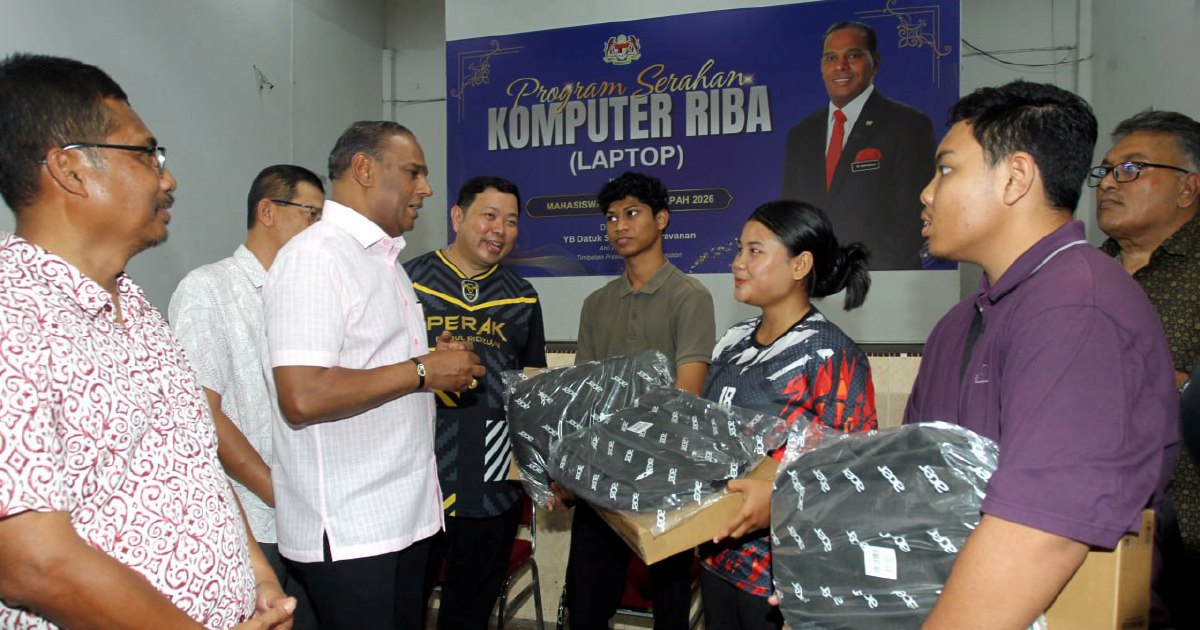
The Malaysian Indian Congress (MIC) is actively preparing for the forthcoming Melaka state election through a methodical evaluation of prospective candidates and a detailed analysis of the electorate, signalling the party's intent to make a substantial impact in one of Malaysia's key battleground states. This preparatory phase, which party officials have undertaken in Tapah, represents an early mobilization effort aimed at identifying the most competitive contenders and understanding the priorities of different voter segments in Melaka.
The timing of MIC's groundwork reflects the party's strategic recognition that state elections in Melaka historically serve as important indicators of broader political trends across the nation. As a component party within the Barisan Nasional coalition, MIC's performance in this state carries implications not only for the alliance's fortunes in Melaka but also for the party's standing within the broader framework of Peninsular Malaysian politics. The party's systematic approach to candidate selection and voter assessment suggests an effort to move beyond reactive campaigning toward a more evidence-based electoral strategy.
Candidate evaluation has emerged as a central focus of MIC's preparations, with party leadership carefully examining the credentials, local standing, and electoral viability of individuals being considered for nomination. This process involves assessing not only traditional party loyalists but also individuals with strong community connections and proven track records in their respective constituencies. The party recognizes that candidate quality directly influences voter confidence and campaign momentum, particularly in competitive constituencies where margins of victory may be narrow.
MIC's attention to voter demographics, particularly what party officials describe as "white" voters—a reference to voters without party affiliation or undecided constituencies—underscores a strategic pivot toward persuasion rather than mere party consolidation. This focus suggests the party understands that electoral victories in Melaka cannot be achieved through traditional party machinery alone, and that capturing floating voters will be essential for expanding MIC's representation in the state assembly. Such voters typically respond to substantive policy promises, local development initiatives, and perceived competence of individual candidates rather than party loyalty alone.
The identification of key issues facing the Melaka electorate represents another dimension of MIC's preparatory work. By systematically analyzing the concerns uppermost in voters' minds—whether related to economic opportunities for the Indian community, education, healthcare, infrastructure development, or business support—the party can tailor its campaign messaging and policy proposals to resonate with local priorities. This issue-mapping exercise allows MIC to position itself as responsive to constituent concerns rather than pursuing a generic national agenda disconnected from state-level realities.
Melaka's political landscape presents distinct challenges and opportunities for MIC. The state has experienced considerable electoral volatility in recent years, with shifting coalitions and changing voter preferences creating an unpredictable environment. MIC's early groundwork suggests awareness that complacency or delayed preparation could result in lost opportunities, particularly given the competitive nature of many Melaka constituencies. The party's proactive stance contrasts with occasional perceptions of organizational lethargy that have dogged MIC in previous election cycles.
The Malaysian Indian Congress has historically drawn substantial support from the Indian community, which comprises approximately seven percent of Melaka's population. However, MIC's strategic focus on broader voter demographics indicates recognition that electoral success requires coalition-building beyond the party's traditional ethnic base. This inclusive approach reflects demographic realities where no single community can deliver decisive electoral majorities, and where cross-community appeals become essential for competitive positioning.
For the broader Barisan Nasional coalition, MIC's active preparation in Melaka carries significance beyond the party's individual electoral fortunes. A well-organized and energized MIC can contribute meaningfully to the coalition's overall performance in the state, potentially providing additional parliamentary seats and strengthening the BN's negotiating position in Melaka governance. Conversely, an underperforming MIC could create openings for opposition parties in constituencies where the Indian vote may be decisive.
The party's engagement in Tapah, a significant location in Perak with historical importance to MIC, also suggests efforts to revitalize party structures and energize grassroots leadership. By conducting this groundwork in such locations, MIC demonstrates commitment to organizational renewal and demonstrates to its supporters that the party remains serious about electoral competition. This symbolic positioning can help rebuild morale within party structures that may have been dampened by previous electoral setbacks.
Looking forward, MIC's preparations will likely include intensive campaign training for candidates, development of digital and traditional campaign materials targeting specific voter segments, and coordination with other Barisan Nasional component parties to ensure coherent messaging and resource allocation. The party's early start in Melaka suggests it recognizes that modern elections demand sustained engagement rather than compressed pre-election campaigns, and that candidate and voter analysis conducted months before polling day provides competitive advantages in message crafting and voter mobilization.
The success of MIC's Melaka strategy will ultimately depend on how effectively the party translates its preliminary analysis into concrete campaign advantages. Whether the party can leverage its candidate assessments into compelling candidacies, and whether it can convert its understanding of voter issues into persuasive policy platforms, will determine whether this preparatory groundwork translates into electoral gains. For Malaysian politics broadly, MIC's revival as an energized electoral competitor would reshape the competitive dynamics of coalition politics and possibly influence broader patterns of political alignment in the peninsula.

