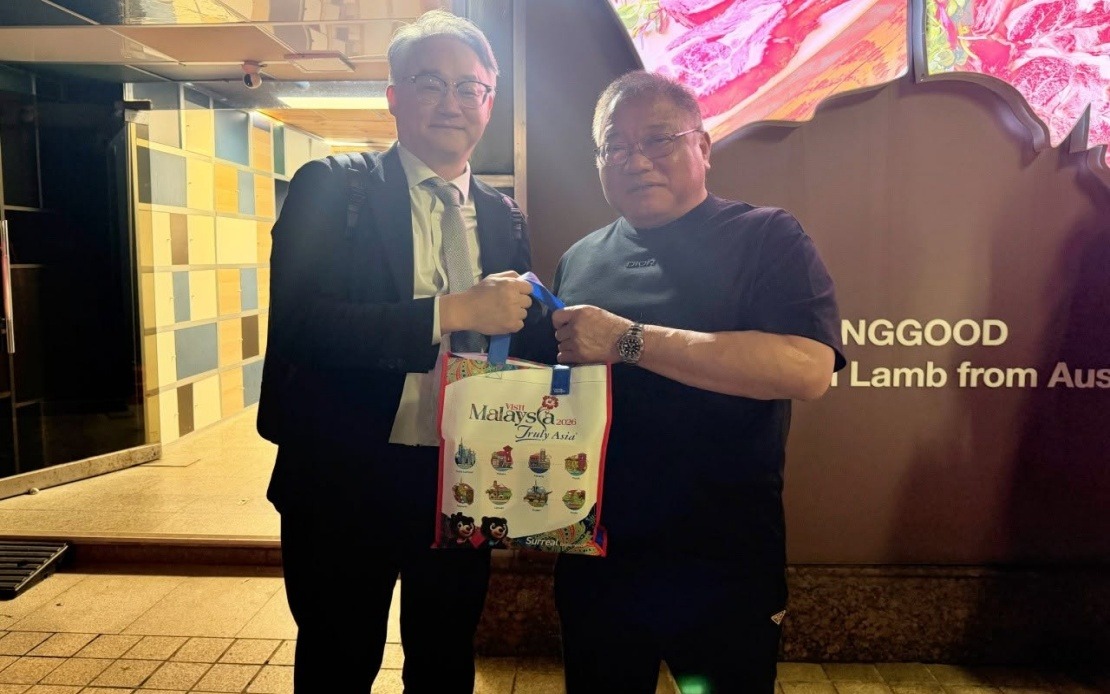
Tourism, Arts and Culture Minister Datuk Seri Tiong King Sing has cautioned agents promoting Malaysia's My Second Home (MM2H) programme abroad to strictly adhere to the legal frameworks governing their operations in foreign markets. Speaking following consultations with the Malaysian Association in the Republic of Korea, Tiong emphasised that possessing a Malaysian MM2H licence does not automatically satisfy the compliance obligations imposed by overseas jurisdictions where these agents conduct business and recruit prospective participants.
The minister's intervention signals growing concern within Malaysia's tourism sector regarding the potential reputational damage and legal exposure arising from uncoordinated promotional activities by MM2H agents operating without proper oversight in key international markets. Tiong stressed that agents must undertake comprehensive due diligence on applicable foreign regulations, establish transparent relationships with local industry stakeholders, and work collaboratively with relevant authorities in the countries where they recruit clients. This collaborative framework is essential not only for regulatory adherence but also for building credibility among prospective applicants who may otherwise encounter misleading representations or fraudulent schemes.
During his recent diplomatic visit to South Korea, Tiong engaged with representatives from the Malaysian Association, including president Dr Aaron Kim Hong-Seok and secretary-general Kim Jun-Hyung, who highlighted systemic vulnerabilities in how some Malaysia-based MM2H agents coordinate with Korean intermediaries. The association representatives indicated that certain agents operating from Malaysia may lack sufficient understanding of Korea's regulatory environment and have been dealing directly with local individuals without proper vetting, creating an environment where numerous unauthorised parties claim capability to process MM2H applications. This fragmentation undermines programme integrity and exposes both applicants and Malaysia's diplomatic relationship with Korea to unnecessary complications.
The minister committed to personally reminding all licensed MM2H agent companies upon his return to Malaysia that compliance with local regulations in operating countries is non-negotiable. Tiong's position reflects a fundamental philosophical shift within Malaysia's tourism promotion strategy, prioritising market quality and applicant protection over aggressive recruitment metrics. He articulated clearly that merely counting the number of applicants channelled into the programme represents an insufficient performance indicator; rather, the overarching objective must centre on safeguarding vulnerable applicants, preventing fraud, and cultivating an ecosystem characterised by transparency, legality, and structured market development.
Establishing clearer cooperation frameworks between Malaysian MM2H agents and their local counterparts in key markets emerges as a strategic priority for reducing ambiguity, eliminating fraudulent intermediaries, and strengthening confidence in the programme among prospective foreign participants. Such institutional arrangements would include formal protocols for agent verification, transparent fee structures, standardised application procedures, and dispute resolution mechanisms accessible to applicants in their home countries. By creating these guardrails, Malaysia can differentiate its MM2H programme from competing long-term residency schemes and position itself as a destination that takes applicant protection seriously.
South Korea represents a particularly significant market opportunity for MM2H expansion, especially among affluent retirees seeking to establish a secondary residence in Malaysia during winter months when Korea experiences harsh weather conditions. The demographic profile of Korean applicants—typically older, financially secure, and motivated by lifestyle preferences rather than economic necessity—suggests strong programme stability and reduced administrative burden compared to other source markets. However, realising this potential requires establishing institutional confidence through proper regulatory compliance and professional agent conduct, which Tiong's directive is designed to facilitate.
The minister encouraged MM2H agents to intensify promotional activities within the Korean market while simultaneously deepening their collaborative relationships with established local industry partners, travel agencies, and financial advisors. This dual approach recognises that effective international marketing depends equally on brand visibility and distribution network credibility. Agents who invest in building long-term relationships with reputable Korean intermediaries will develop sustainable revenue streams and reduce vulnerability to the transient partnerships that often characterise fraudulent schemes.
For Malaysian stakeholders, Tiong's statement carries important implications regarding reputational management and diplomatic goodwill. Instances of MM2H-related fraud or consumer deception involving Korean nationals could damage Malaysia's standing as a responsible tourism destination and complicate bilateral relations at a time when South Korea represents an increasingly important source market for Malaysia's tourism and real estate sectors. By establishing clear regulatory expectations now, Malaysia positions itself ahead of potential crises and demonstrates institutional maturity in managing international long-term residency programmes.
The underlying tension highlighted by Tiong reflects a broader challenge facing Malaysia's tourism and immigration sectors: balancing ambitious growth targets against the need for rigorous quality control and fraud prevention. Unscrupulous agents operating in the shadows of legitimate licensed operators create negative externalities that affect all market participants, including legitimate agents who maintain ethical standards. Implementing Tiong's regulatory compliance directive requires coordination between Malaysia's Ministry of Tourism, regulatory bodies in operating countries, and licensed agents themselves, suggesting that successful implementation will depend on sustained institutional commitment rather than one-time enforcement actions.
Moving forward, the effectiveness of Tiong's directive will depend substantially on establishing monitoring mechanisms that track agent conduct in overseas markets and create consequences for non-compliance. This might include periodic audits of licensed agents' overseas partnerships, customer complaint tracking across international markets, and revocation procedures for agents who systematically violate foreign regulations. Without such enforcement mechanisms, Tiong's appeal for regulatory compliance risks becoming rhetorical rather than substantive, leaving vulnerable applicants and Malaysia's international reputation exposed to the same risks that prompted the minister's intervention.

