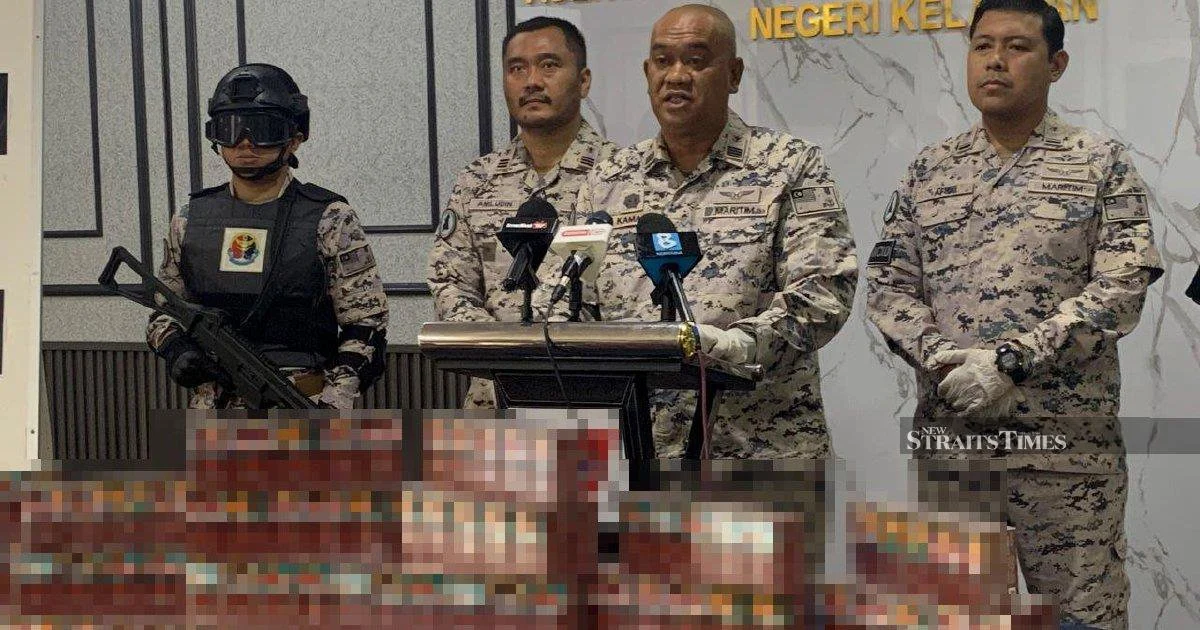
The Malaysian Maritime Enforcement Agency (MMEA) has successfully intercepted a substantial consignment of smuggled cigarettes during a recent waterway patrol operation in Kelantan. The contraband seizure, comprising 24 boxes of illegal cigarettes with an estimated market value of RM212,000, was discovered at Kampung Penambang in Pasir Puteh last week. The operation underscores the agency's persistent efforts to combat illicit tobacco trafficking through Malaysia's maritime and river routes, which remain vulnerable conduits for smuggled goods.
The interception represents a meaningful contribution to Malaysia's enforcement agenda against contraband cigarettes, which have become increasingly prevalent across Southeast Asia. Illegal tobacco products typically enter through maritime routes due to the region's extensive coastlines and the difficulty of monitoring every entry point. The Kelantan seizure reflects the MMEA's strategic deployment of resources along domestic waterways, where smugglers frequently attempt to transport goods using lighter vessels that can navigate shallow rivers and less-patrolled areas.
Cigarette smuggling has emerged as a significant revenue stream for transnational criminal networks operating across the region. These operations undermine domestic tax collection, deprive governments of substantial excise revenues, and create unfair market competition for legitimate tobacco retailers. The illicit trade also facilitates the entry of counterfeit products that may contain harmful additives, posing public health risks to consumers who unknowingly purchase substandard merchandise.
The Kampung Penambang discovery follows a pattern of tobacco contraband movements across Malaysia's vulnerable waterways. Eastern states like Kelantan, with their proximity to international waters and porous river systems, have become focal points for smuggling activities. Criminal networks exploit these geographical advantages by coordinating shipments that avoid main ports where detection risks remain higher. The MMEA's presence in these remote areas, therefore, serves as a crucial deterrent against such operations.
Enforcement agencies across Malaysia have intensified operations against cigarette smuggling in recent years, recognizing both the financial impact and the criminal networks involved. The RM212,000 valuation of this particular seizure indicates substantial commercial operations rather than small-scale trafficking. Such quantities suggest organised distribution networks prepared to move products toward major population centres where demand for cheaper contraband goods remains robust.
The operation demonstrates coordination between MMEA personnel and ground intelligence that enabled authorities to intercept the shipment. Effective counter-smuggling work requires sustained monitoring of river systems, informant networks, and rapid response capabilities when suspicious activities are detected. The agency's success in this instance reflects training improvements and resource allocation that have enhanced detection rates across Malaysian maritime zones.
For Malaysian retailers and tobacco distributors operating legitimately, such enforcement actions provide essential market protection. Smuggled products undercut legal prices substantially, creating pressure on legitimate businesses and distorting competition. The seizure contributes marginally to leveling the commercial playing field, though the broader smuggling challenge remains substantial throughout the region.
The contraband cigarettes, once processed through Malaysia's criminal justice system, will be destroyed according to established protocols. Beyond the immediate seizure, authorities typically investigate supply chains to identify organisers, financiers, and distribution networks involved in such operations. Intelligence gathered from this incident may inform broader strategic responses to transnational smuggling organisations operating across Southeast Asia.
Regional governments face escalating challenges in combating cigarette smuggling, which has become increasingly sophisticated in methodology and scope. The prevalence of illicit tobacco across Southeast Asia necessitates coordinated responses that extend beyond individual nation enforcement. Cross-border collaboration, intelligence sharing, and harmonized regulatory approaches remain essential tools for disrupting transnational criminal networks that profit from the contraband trade.
The MMEA's continued vigilance along Kelantan's waterways and throughout Malaysian maritime zones reflects institutional commitment to enforcing customs regulations and protecting national interests. As smuggling tactics evolve, enforcement agencies must correspondingly upgrade capabilities, intelligence systems, and operational coordination. The RM212,000 seizure at Kampung Penambang, while significant, represents merely one engagement in the extended campaign against illicit commerce that shapes criminal activity across the region.