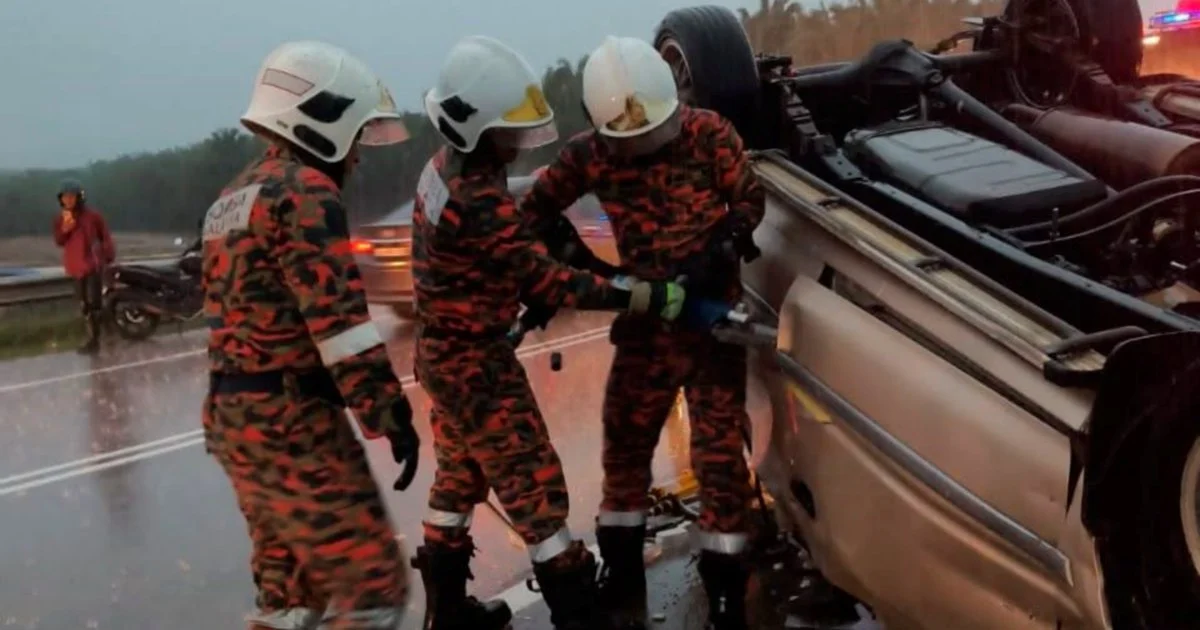
A pair of tragic road accidents in Pahang's Maran and Pekan districts claimed four lives on the same day, with two sisters among the victims. The incidents, which unfolded within a span of less than 60 minutes, have cast a spotlight on the persistent dangers facing travellers on the state's busy highway corridors.
The two fatalities occurred at different locations, yet their proximity in time raises questions about traffic conditions and road hazards that may have contributed to the crashes. Maran and Pekan are significant commercial and residential hubs in Pahang, with substantial vehicular traffic flowing through both districts daily. The rapid succession of the accidents has prompted authorities to investigate whether common factors such as road surface conditions, visibility, or driver behaviour may have played a role.
The death of two sisters in these collisions represents a particularly devastating human toll, as families lose multiple members in a single day. Such losses often highlight the indiscriminate nature of traffic accidents and the vulnerability of all road users, regardless of age or experience. In Malaysia, where road fatalities remain a significant public health concern, such incidents serve as stark reminders of the fragility of life on the nation's thoroughfares.
Pahang has experienced its share of serious traffic incidents over the years, and the state's road network carries substantial daily commuter and commercial traffic. The Maran-Pekan corridor in particular serves as a key transport link, connecting residential areas to shopping centres, industrial zones, and government offices. With increased vehicular movement, the risks of accidents naturally escalate unless accompanied by corresponding improvements in road infrastructure and enforcement of traffic regulations.
The investigation into both crashes will likely examine critical variables including vehicle speeds, mechanical failures, weather conditions at the time, and the role of human error. Road accident investigations in Malaysia typically involve the Royal Malaysia Police and relevant traffic enforcement agencies, who collect evidence and reconstruct the sequence of events leading to each collision. The findings from these investigations can inform future road safety campaigns and infrastructure improvements.
For Malaysian drivers and passengers, these incidents underscore the importance of adhering to speed limits, maintaining vehicle roadworthiness, and remaining alert while travelling, particularly on routes that experience heavy traffic. The loss of four people in such a compressed timeframe also brings attention to the adequacy of emergency response services in reaching accident sites quickly and providing immediate medical assistance to injured parties.
The emotional and financial impact on the families affected by these deaths will be substantial. Beyond the immediate grief, they may face unforeseen expenses related to medical treatment, funeral arrangements, and long-term consequences if breadwinners have been lost. In Malaysian society, such tragedies often mobilise community support, though this cannot fully compensate for the loss of loved ones.
Traffic safety remains a complex challenge across Southeast Asia, where rapidly increasing vehicle ownership and urbanisation have created demanding conditions on road networks built for previous traffic volumes. Pahang, like many Malaysian states, continues to grapple with balancing economic development and mobility with the imperative to protect lives. Road safety initiatives typically encompass education, enforcement, and engineering interventions, yet the need for a more comprehensive, coordinated approach across all three pillars remains evident.
Authorities and safety advocates have long stressed the need for enhanced driver education programmes, stricter penalties for traffic violations, and investment in road infrastructure improvements. The occurrence of two fatal accidents in such close succession may prompt local officials and transport planners to conduct safety audits of the affected corridors, examining factors such as road design, signage, lighting, and drainage systems that might influence accident risk.
As news of the crashes spreads, they will likely dominate public discourse in Pahang and serve as a catalyst for renewed discussions about road safety practices. Civil society groups, transport associations, and government agencies may seize the moment to launch targeted awareness campaigns encouraging defensive driving techniques and responsible road behaviour. These efforts, while necessary, highlight the ongoing tension between Malaysia's development aspirations and the human cost of inadequate safety infrastructure and enforcement.
The four deaths in Maran and Pekan represent a loss that extends beyond statistics. Each victim leaves behind relationships, unfulfilled potential, and circles of loved ones whose lives are forever altered. While authorities investigate the immediate causes of both collisions, the broader question of how Malaysia can systematically reduce road fatalities remains urgent and unresolved.