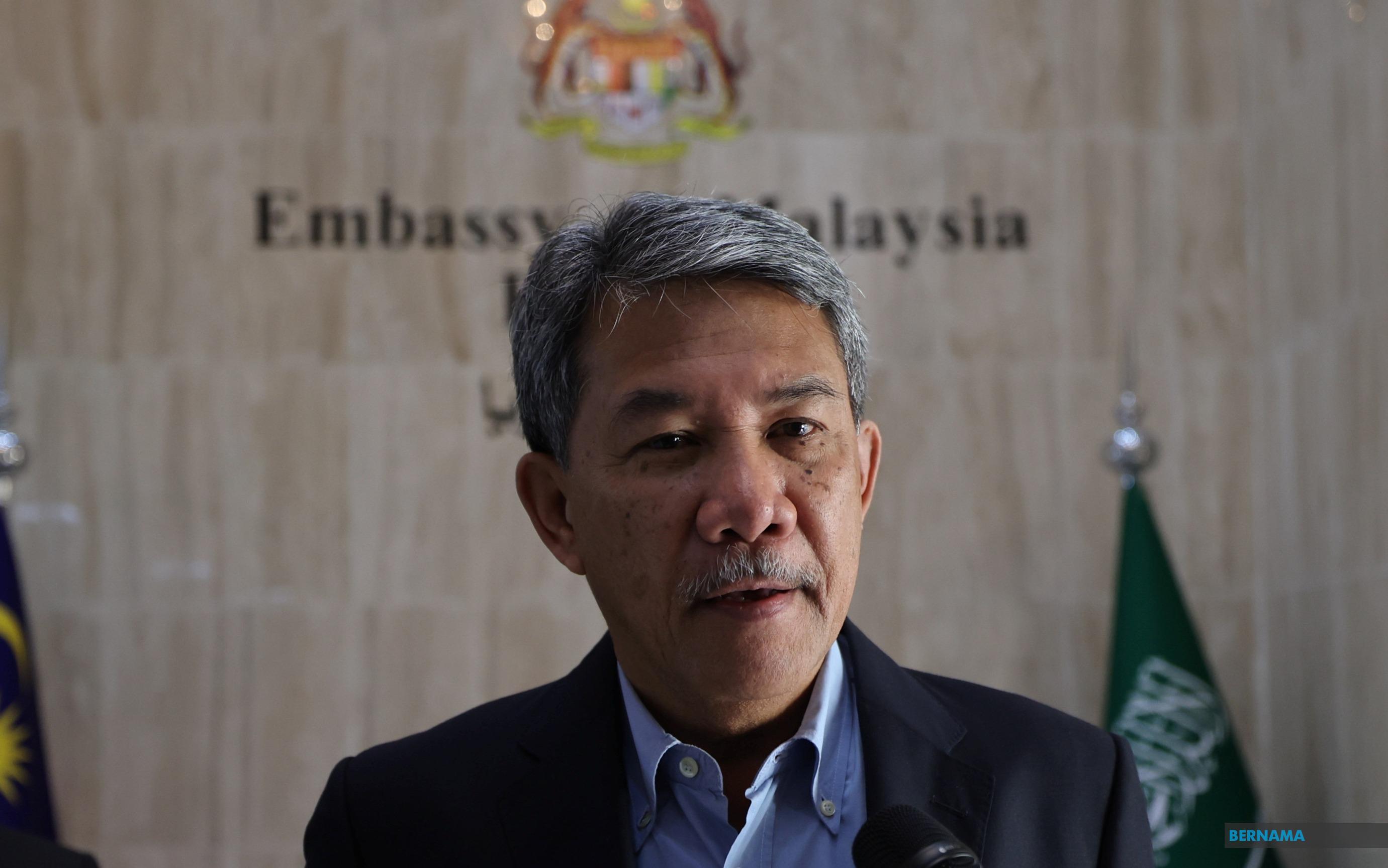
Foreign Minister Datuk Seri Mohamad Hasan is undertaking a three-day working visit to Brunei beginning today through August 22, marking another significant engagement in Malaysia's diplomatic calendar with its closest neighbour. The Ministry of Foreign Affairs confirmed the itinerary centres on two cornerstone bilateral meetings that underscore the depth of Malaysia-Brunei relations and the ongoing mechanisms through which both nations manage shared interests and chart future cooperation.
The visit culminates in the 27th Malaysia-Brunei Annual Leaders' Consultation (ALC-27) on August 22, a premier platform for strategic dialogue between the highest levels of government. Preceding this summit, Mohamad Hasan will co-chair the 27th Malaysia-Brunei Exchange of Letters (EOL-27) Implementation Meeting on August 21 alongside Brunei's Second Minister of Foreign Affairs, Datuk Seri Setia Erywan Mohd Yusof. This sequencing reflects the structured approach both nations employ to build consensus at technical and ministerial levels before leaders convene for broader strategic decisions.
The EOL mechanism serves a critical function within Malaysia-Brunei bilateral architecture. These annual meetings constitute the primary channel through which both governments review implementation progress on previous agreements, troubleshoot emerging obstacles, and identify promising areas for expanded partnership. The formal exchange of letters framework provides continuity across electoral cycles and administrative transitions, ensuring that Malaysia-Brunei relations maintain momentum regardless of domestic political developments in either country. This institutional stability has become increasingly valuable given regional uncertainties.
During the EOL-27 meeting, both ministers will assess progress on some of the most complex and historically sensitive dimensions of the bilateral relationship. Land and maritime boundary matters remain perpetual agenda items requiring sustained diplomatic attention and technical expertise. These territorial questions, while longstanding, have been managed through patient negotiation rather than confrontation, reflecting both nations' commitment to peaceful resolution. The boundary discussions also carry implications for maritime resource management and security cooperation in the region, making them relevant not merely to Malaysia and Brunei but to broader Southeast Asian stability.
Economic cooperation constitutes another major focus area for ministerial discussions. Recent trade data reveals the commercial relationship's significance: during 2025, bilateral trade reached RM5.86 billion (USD 1.37 billion), demonstrating robust exchange despite global economic headwinds. The first half of 2026 saw trade volumes of RM2.38 billion (USD 0.6 billion), suggesting a steady rhythm of commercial activity between the two economies. For Malaysian businesses, Brunei represents a carefully regulated but accessible market, while Bruneian interests value Malaysian expertise in manufacturing, agricultural products, and services sectors.
The ALC-27 gathering will enable leaders to deliberate on strategic questions spanning the economic relationship's future trajectory, regional security developments, and multilateral coordination within ASEAN. Annual Leaders' Consultations have evolved into occasions where Malaysia and Brunei align positions on regional issues, coordinate approaches to ASEAN initiatives, and demonstrate to the broader international community the solidity of their partnership. The timing of this year's ALC is particularly relevant given ongoing discussions within ASEAN on various regional challenges and the need for consensus among member states.
Malaysia's engagement with Brunei serves multiple strategic purposes. As the second-smallest nation in Southeast Asia by area, Brunei punches above its weight diplomatically due to its ASEAN membership and its role as one of the world's foremost oil and liquefied natural gas exporters. For Malaysia, maintaining robust relations with Brunei ensures a reliable partner in regional forums and provides stability along Malaysia's eastern maritime frontier. The relationship also demonstrates Malaysia's capacity for sustained diplomatic engagement with neighbours of varying sizes and economic profiles, reinforcing Malaysia's position as a constructive regional actor.
The ministerial-level discussions preceding the leaders' consultation typically result in specific action items and revised timelines for implementation of bilateral agreements. Both the EOL and ALC mechanisms generate formal records and joint statements that provide transparent documentation of bilateral positions for domestic constituencies and international observers. This transparency strengthens the credibility of both governments' commitments and allows tracking of progress against stated objectives over time.
For Malaysian policymakers and business interests, these bilateral meetings carry practical significance. They represent opportunities to communicate priorities through official channels, to understand Brunei's policy direction on matters affecting Malaysian interests, and to identify new cooperation possibilities. The structured dialogue also helps prevent misunderstandings from escalating into broader diplomatic tensions, providing safety valves through regular engagement and discussion platforms. This is particularly important given the maritime dimensions of the relationship and the shared interests both nations hold in regional security and stability.
The visit also reflects Malaysia's diplomatic calendar being relatively crowded with bilateral and multilateral engagements throughout the year. For a middle power like Malaysia, maintaining active engagement with all ASEAN partners—particularly immediate neighbours—demands consistent ministerial attention and presence. Mohamad Hasan's working visit to Brunei demonstrates that Malaysian foreign policy prioritises these foundational relationships even as Malaysia engages with distant powers and participates in global forums.
Looking ahead, the outcomes of ALC-27 will likely set the tone for Malaysia-Brunei cooperation through the remainder of 2026 and provide markers for the next annual consultation. Both nations have demonstrated through their institutional mechanisms and diplomatic practice that sustainable bilateral relations require regular, high-level engagement, clear communication channels, and genuine commitment to resolving differences through dialogue. The August visit reinforces this commitment and ensures that Malaysia-Brunei relations continue evolving on a foundation of mutual respect and shared prosperity.

