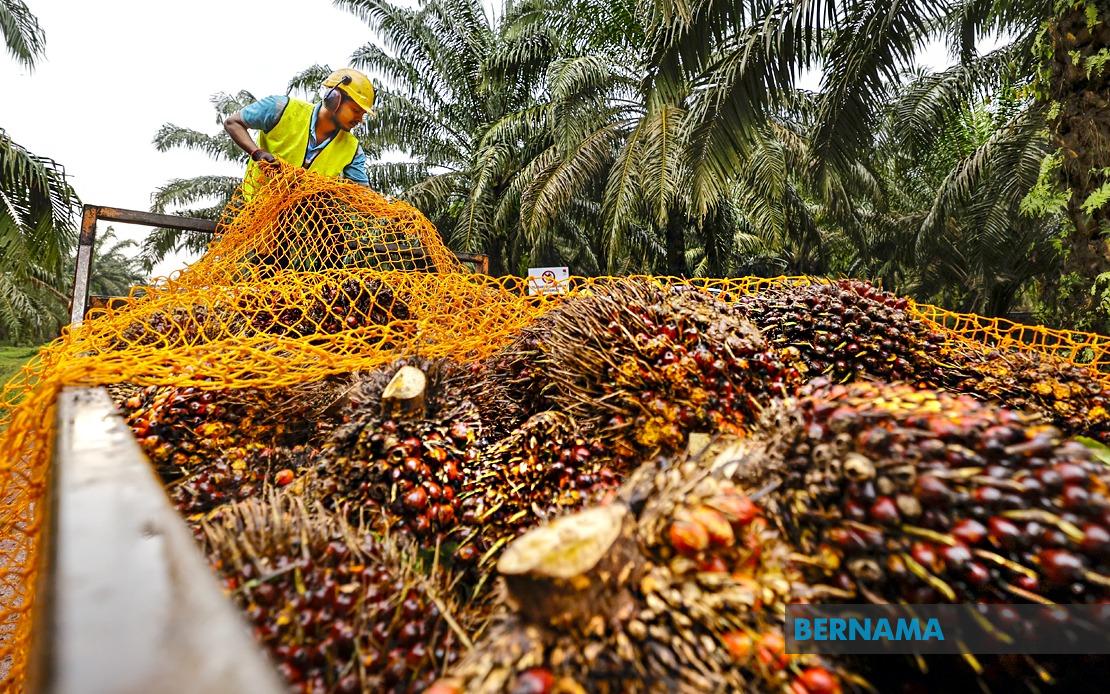
Melaka is poised to become a centre of innovation and expertise in palm oil production following plans by the Malaysian Palm Oil Board (MPOB) to establish a comprehensive research station in Sungai Rambai. The facility, to be constructed on a 40.47-hectare site in Seri Mendapat, will represent a significant investment between RM20 million and RM25 million, according to Melaka Chief Minister Datuk Seri Ab Rauf Yusoh. The project, incorporated into the 13th Malaysia Plan, reflects a strategic commitment to elevating the state's palm oil sector from a traditional commodity producer into a modernised, knowledge-driven industry.
The proposed research station will function as a multifaceted hub, incorporating several interconnected facilities designed to advance palm oil production and support the broader agricultural community. The site will accommodate a model plantation demonstrating best practices in cultivating and managing oil palms, alongside a dedicated research and development centre equipped with modern laboratories. Additionally, the complex will house a training facility to upskill workers and farmers, staff quarters for TUNAS advisory officers who provide technical guidance to the industry, and accommodation for enforcement teams responsible for maintaining standards and compliance. This integrated approach ensures that the research station serves not merely as an academic facility but as a practical, operational centre embedded within the state's agricultural ecosystem.
For Sungai Rambai, a district where nearly 45 per cent of the population depends on farming and smallholding activities, the research station represents transformative potential. Ab Rauf emphasised that the facility will position the area as a destination for knowledge exchange, technological innovation, and professional development within the palm oil industry. The anticipated benefits extend beyond the station itself, with expectations of job creation across multiple categories—from research positions to administrative roles—alongside structured skills training programmes. The economic ripple effects are likely to benefit the broader local community through increased spending, improved supply chains, and enhanced market access for locally grown produce.
The strategic vision underpinning this investment reflects a broader philosophy within Melaka's state government regarding agricultural modernisation. Rather than viewing the commodity sector as a static source of revenue, policymakers seek to position it as a dynamic, competitive engine capable of delivering high-value outputs to both domestic and international markets. This transformation requires not only capital investment in physical infrastructure but also sustained commitment to research, knowledge transfer, and technological adoption among the farming population. By anchoring these efforts in Sungai Rambai, the state signals its intention to concentrate expertise and resources in an area with demonstrated agricultural potential and an established labour force with relevant experience.
Complementing the research station initiative, the state government has prioritised infrastructure improvements directly affecting smallholders' operational efficiency. A five-kilometre private farm road at Ladang Lembah Kesang, funded through a RM400,000 allocation, addresses a practical challenge that often constrains smallholder productivity—inadequate transportation networks. For farmers, such infrastructure directly translates into faster delivery of produce to market, reduced operational costs through shorter travel distances, and improved personal mobility for accessing services and markets. The project is anticipated to benefit more than 200 smallholders, many of whom currently contend with suboptimal road conditions that compromise competitiveness and limit income potential.
At the national level, the Malaysian Palm Oil Board has introduced financial mechanisms to support agricultural modernisation among smallholders. The Smallholder Oil Palm Replanting Financing Incentive Scheme 2.0 offers eligible participants up to RM14,000 per hectare to replace ageing, underperforming trees with superior seedlings that promise higher yields and improved product quality. A notable feature of this scheme is the deferred repayment schedule, with participants required to begin repayment only in the fifth year following disbursement. This structure provides crucial breathing room for smallholders managing cash-flow constraints, allowing them to invest in orchard improvements without immediate financial pressure. For many small-scale operators, such financing mechanisms represent the difference between stagnation and modernisation.
Beyond the primary palm oil initiatives, the state government has addressed concerns raised by the local fishing community, indicating broader responsiveness to sectoral needs across Sungai Rambai. The government has submitted a RM200,000 request to the federal government for upgrading an ageing watergate at Jeti Sebatu, a structure critical for managing water levels and protecting fishing operations. Simultaneously, drainage works along a 300-metre stretch of Sungai Sebatu outlet are already underway, with a RM350,000 budget allocation. These projects directly address flooding concerns that have plagued the fishing community, demonstrating that agricultural development efforts encompass multiple economic sectors within the district.
The interconnected nature of these interventions—research infrastructure, smallholder support, rural roads, water management—suggests a comprehensive approach to rural economic development. Rather than siloed sectoral initiatives, Melaka's strategy recognises that agricultural competitiveness depends on multiple enabling factors operating in concert. Smallholders require not only access to improved seedlings and financing but also viable transportation networks and flood protection. Research institutions require not merely laboratories but integration with working farms and local expertise. This systems-oriented approach reflects sophisticated understanding of rural development dynamics.
For Southeast Asia's palm oil sector more broadly, Melaka's investment trajectory carries broader implications. As environmental scrutiny of palm oil production intensifies globally, the emphasis on research, technology adoption, and modernisation within smallholder farming becomes increasingly significant. By positioning research and innovation at the centre of agricultural development, Melaka positions itself to address sustainability concerns, improve productivity per unit of land, and maintain competitive advantage in export markets. The research station may serve not only local stakeholders but also as a regional resource for knowledge dissemination.
The timeline for the research station's completion remains to be specified, though its incorporation into the 13th Malaysia Plan suggests implementation within the plan's framework period. Success in delivering these projects will require sustained coordination between state government agencies, the Malaysian Palm Oil Board, federal authorities responsible for complementary investments, and—critically—the farming and smallholding communities themselves. The initiatives represent government commitment to agricultural modernisation, yet their ultimate impact will depend on adoption rates among farmers and effectiveness of knowledge transfer mechanisms. For Sungai Rambai's agricultural community, these developments offer tangible opportunities for income enhancement and sectoral advancement.

