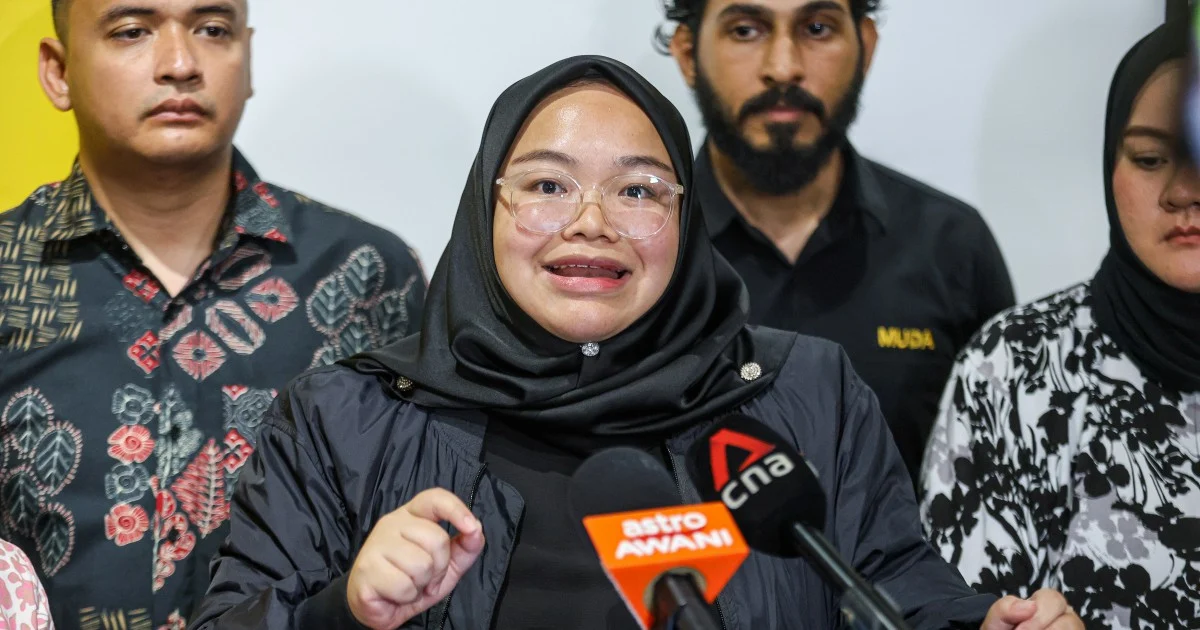
The political landscape in Johor remains fluid as Muda signals it maintains constructive relationships with Bersatu in the state, yet the two parties have deliberately avoided locking themselves into an election pact. This measured approach reflects the pragmatic calculations both organisations are making ahead of forthcoming state-level contests, where coalition arrangements could prove decisive in shaping electoral outcomes.
Muda's leadership has acknowledged that working ties with Bersatu in Johor are on solid ground, suggesting neither party views the other as an adversary. However, the absence of a binding cooperation framework indicates that both outfits are preserving flexibility—a crucial asset in Malaysia's highly volatile political environment where circumstances can shift rapidly. Johor, as one of the country's largest and economically significant states, represents contested ground where multiple coalitions are jockeying for advantage.
This cautious stance by Muda reflects broader strategic thinking within the party as it navigates complex relationships across the political spectrum. Rather than rushing into formal arrangements that might limit future options, the party appears content to maintain dialogue channels while keeping its hands untied. Such positioning could prove advantageous should political dynamics shift or new opportunities materialise in coming months.
Bersatu, meanwhile, faces its own considerations as it weighs potential electoral combinations. The party's trajectory has been marked by recalibration in recent years, and decisions about which partners to align with carry significant weight for its long-term standing and electoral viability. In Johor particularly, where the political terrain is competitive, selecting the right allies—or steering clear of entangling commitments—becomes paramount.
For Malaysian political observers, the significance of this Muda-Bersatu dynamic extends beyond routine party manoeuvring. The question of which coalitions form in Johor will influence not only state politics but potentially reverberate at the federal level. The state has historically served as a bellwether for broader electoral trends, meaning outcomes here can amplify messaging and momentum for competing blocs nationally.
The timing of this announcement is noteworthy, arriving at a juncture when speculation about Johor elections has intensified. By explicitly stating that no cooperation deal exists while simultaneously affirming positive ties, both parties are managing expectations and signalling they remain open to dialogue without sacrificing negotiating leverage. This public framing serves multiple audiences simultaneously—party members, potential partners, and voters who may be gauging which combinations are taking shape.
For Muda specifically, maintaining good terms with Bersatu without formalising arrangements offers distinct advantages. The younger party, still consolidating its position in Malaysian politics, benefits from optionality. Whether it eventually aligns with Bersatu, pursues other partnerships, or contests independently, having established cordial foundations means it retains credibility across different potential scenarios. This approach mirrors how other emerging political forces have operated during periods of party system flux.
The broader ecosystem surrounding Johor politics includes multiple actors—federal coalitions, state-level considerations, community groups, and voter sentiment—all of which remain in flux. By declining to commit prematurely, Muda and Bersatu are essentially acknowledging that conditions may evolve before electoral battles commence. This realism about political uncertainty has become increasingly common in Malaysia, where coalition architectures have become notoriously unstable and subject to rapid reconfiguration.
Southeast Asian observers will recognise these patterns as familiar ones in the region's democracies, where pre-election manoeuvring often involves careful calibration of commitment levels. Building political relationships while deferring formal decisions allows parties to maintain credibility in multiple directions—a valuable commodity when power balances remain unclear and outcomes uncertain.
Looking ahead, the Muda-Bersatu relationship in Johor will likely continue evolving. Whether these amicable ties eventually crystallise into concrete electoral cooperation depends on numerous variables: shifts in other coalitions, internal party dynamics, and calculations about how different arrangements might affect each party's electoral prospects and long-term strategic positioning. For now, both organisations have chosen the prudent path of preserving options while nurturing connections—a stance that prioritises flexibility over premature commitment in an environment where political calculations remain inherently unsettled.