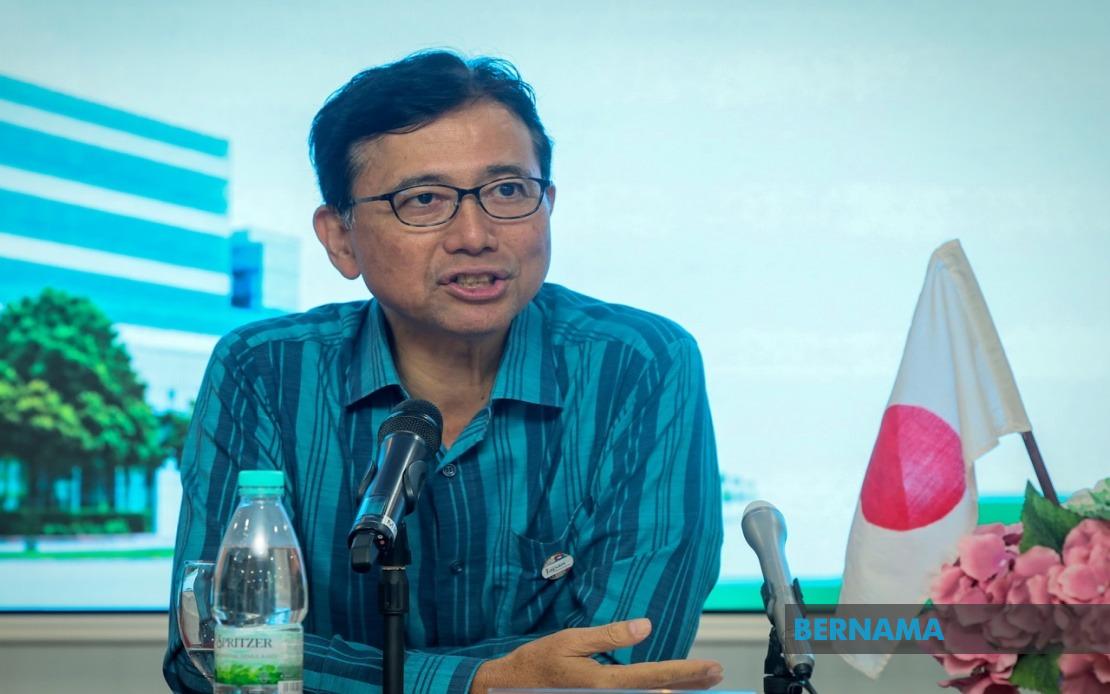
Japan's recalibrated approach to regional engagement through its updated Free and Open Indo-Pacific (FOIP) framework creates fresh opportunities for Malaysia's broader technology and digital transformation agenda, according to Japanese Ambassador to Malaysia Noriyuki Shikata. The framework, unveiled by Prime Minister Sanae Takaichi in May, represents a substantive shift from Japan's 2016 founding vision towards addressing contemporary economic security challenges, particularly in critical infrastructure and supply chain resilience. This evolution signals Japan's recognition that regional prosperity increasingly depends on technological sophistication and collaborative capacity-building across the Indo-Pacific.
The original FOIP concept, introduced during Shinzo Abe's tenure, established Japan as a strategic architect of regional stability. However, Takaichi's modernised iteration moves beyond traditional geopolitical positioning to embrace tangible cooperation in artificial intelligence, secure data transmission, undersea cable networks and satellite communications. For Malaysian policymakers and industry leaders, this recalibration matters considerably because it positions the country's ambitions as complementary rather than competitive with Japan's regional strategy. The framework essentially validates Malaysia's direction toward becoming a premier technology and digital innovation centre, suggesting sustained Japanese engagement and partnership in these sectors.
A particularly significant element underpinning this framework is the POWERR Asia initiative, which mobilises US$10 billion specifically for supporting ASEAN member states. The initiative addresses energy security, fuel procurement and critical material supply chain management—areas where Malaysia holds geographic and strategic importance. This financial backing transforms what might otherwise be rhetorical commitment into concrete resources. For Malaysian businesses and policymakers, this translates into tangible mechanisms for infrastructure development and supply chain diversification, reducing dependence on single sources for critical materials and energy resources that underpin digital economy expansion.
Shikata emphasises that the updated FOIP fundamentally aligns with ASEAN's own Indo-Pacific Outlook, creating institutional coherence rather than conflicting frameworks. This alignment reduces friction and creates space for collaborative regional architecture. Malaysia, as a prominent ASEAN voice and the current chair of various regional mechanisms, benefits substantially from this convergence. The framework validates multilateral approaches favoured by Southeast Asian nations while maintaining space for bilateral partnerships that reflect individual country circumstances and comparative advantages.
For the Japanese business community operating in Malaysia, Shikata suggests the framework provides enhanced predictability and security for long-term investments. More importantly, it signals a deliberate pivot away from traditional manufacturing-focused partnerships towards high-value technology collaborations. Japanese companies, long dominant in automotive and electrical assembly, face pressure to upgrade their Malaysian operations. The updated FOIP effectively encourages this transition by positioning advanced technology sectors as strategic priorities rather than peripheral opportunities. This creates aligned incentives for both Japanese investors seeking returns in emerging technologies and Malaysian policymakers pursuing economic upgrading.
Malaysia's established position as a regional semiconductor hub particularly interests Japanese firms. The country's existing manufacturing capabilities, skilled workforce and strategic location along crucial trade routes make it an attractive destination for investment in advanced semiconductor packaging, artificial intelligence infrastructure and cloud computing services. Japanese companies like Mitsubishi Corporation, DENSO and others can leverage Malaysia's existing ecosystem rather than establishing greenfield operations elsewhere. This concentration of Japanese interest in Malaysia's semiconductor sector suggests confidence in the country's trajectory and commitment to maintaining competitive advantages in this critical domain.
The Comprehensive Strategic Partnership established between Malaysia and Japan in December 2023 provides the institutional framework within which these FOIP-aligned initiatives can develop. Ambassador Shikata characterises this partnership as transcending the historical Look East Policy framework that dominated bilateral relations during Mahathir's era. That earlier relationship focused primarily on manufacturing knowledge transfer and economic cooperation. The contemporary partnership encompasses innovation, intellectual collaboration and strategic coordination on regional challenges. This represents genuine evolution rather than mere continuation of established patterns.
Prime Minister Anwar Ibrahim's recent engagement with Japanese industrial leaders during his Japan visit substantially reinforced this directional shift. Meetings with executives from Mitsubishi Corporation, ENEOS, DENSO, IBM Japan and Marubeni addressed concrete collaboration opportunities in energy transition, advanced manufacturing and digital technologies. These weren't ceremonial encounters but substantive discussions identifying specific sectors and partnerships for expansion. The breadth of companies involved—spanning energy, automotive, semiconductors and technology services—indicates Japan's interest in comprehensive economic deepening rather than focused sectoral investment.
The framework specifically encourages joint development of artificial intelligence and quantum computing solutions. These emerging technologies represent frontiers where established manufacturing expertise offers limited advantage. Instead, they demand collaborative innovation between Japanese research capabilities and Malaysian technical talent and market insights. Quantum computing particularly interests regional governments concerned about data security and the future resilience of digital infrastructure. By positioning quantum technology as part of the FOIP framework, Japan signals its intention to help shape regional technological standards and capabilities rather than allow other powers to dominate these critical domains.
Critical infrastructure protection and supply chain security feature prominently in Shikata's articulation of future cooperation. Both nations face similar vulnerabilities from supply chain disruptions and potential security threats to digital infrastructure. Japan's experience managing complex global supply chains and Malaysia's position within regional networks create natural complementarities. Joint initiatives addressing these challenges position both countries as reliable partners within the broader regional economic architecture. For Malaysia specifically, such cooperation reinforces its significance within regional value chains and technological ecosystems.
The FOIP framework also addresses global strategic uncertainties without explicitly naming specific geopolitical tensions. This diplomatic framing allows nations to cooperate on genuine security and economic concerns while maintaining relationships across the region. Malaysia, which maintains formal and informal relationships with multiple major powers, particularly benefits from frameworks emphasising rules-based cooperation and inclusive partnership structures. The emphasis on cooperation with the Global South, rather than alignment against specific actors, provides space for Malaysia to pursue its strategic interests without excessive constraint.
Looking ahead, the deepening of Japan-Malaysia technology partnerships will substantially shape regional digital economy development. The convergence of Japan's updated Indo-Pacific vision with Malaysia's digital hub aspirations creates momentum for collaborative initiatives spanning semiconductors, renewable energy, artificial intelligence and quantum computing. These partnerships promise not merely incremental improvements to existing manufacturing relationships but genuine transformation in the character of bilateral economic engagement. For Malaysia's broader technological competitiveness and position within regional value networks, this alignment with Japan's strategic direction offers significant advantage.