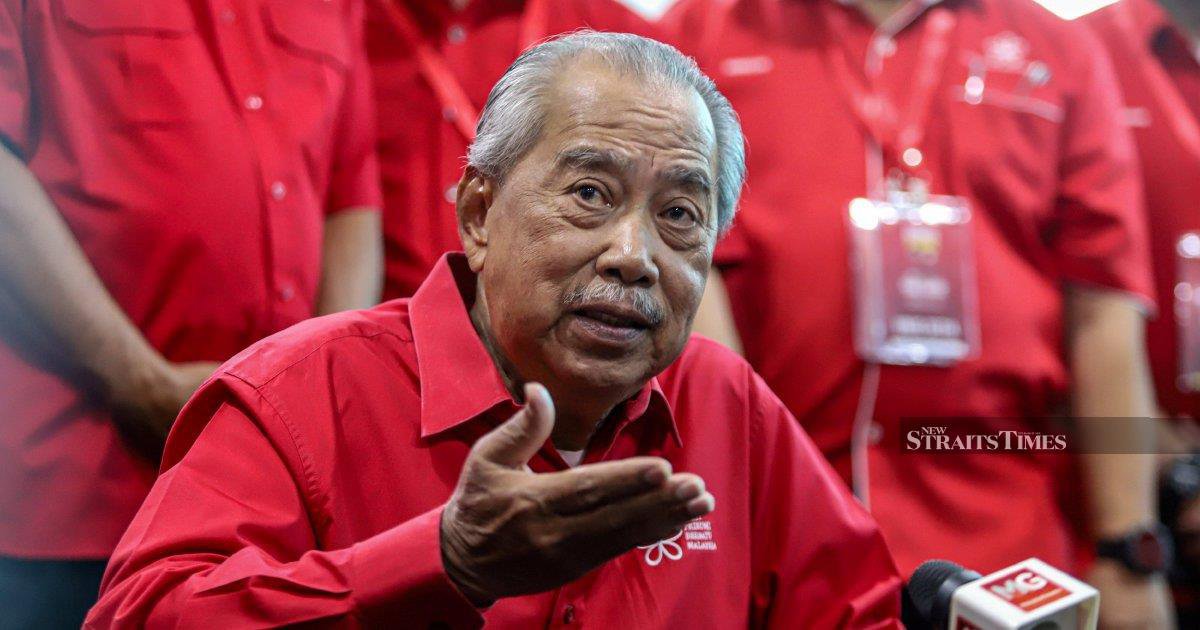
Tan Sri Muhyiddin Yassin has firmly disputed Tan Sri Annuar Musa's explanation of Bersatu's departure from Perikatan Nasional, challenging the narrative that his party had willingly chosen to withdraw from the coalition. The disagreement centres on the circumstances surrounding the split, with Annuar suggesting it was a voluntary mufarakah, or mutual parting of ways, whereas Muhyiddin's position indicates a more contested and less amicable separation.
The fracture within the opposition coalition reflects deeper tensions over electoral strategy and decision-making authority within Perikatan Nasional. The Negri Sembilan election dispute appears to have served as a flashpoint for simmering disagreements about how the coalition should manage state-level contests and allocate candidate selections. Such internal conflicts over candidate nominations have historically been a significant source of friction within multi-party coalitions in Malaysia, where each component party seeks to maximise its own representation and influence.
Muhyiddin's pushback against Annuar's framing suggests that Bersatu views the separation as something imposed upon it rather than mutually agreed. This distinction carries substantial political weight, as it affects how both parties present the split to their respective supporters and the broader Malaysian electorate. For Muhyiddin, accepting the characterisation of a "voluntary parting" could be interpreted as weakness or capitulation, potentially undermining his leadership credibility within Bersatu and his standing within opposition circles.
The timing of this public dispute comes at a critical juncture for Malaysian opposition politics. Perikatan Nasional has positioned itself as a significant alternative to the ruling Pakatan Harapan government, and such visible fractures within the coalition risk weakening its appeal to voters seeking a cohesive alternative government. The coalition's ability to present a united front, particularly before major electoral contests, directly influences its electoral prospects and negotiating power.
Annuar Musa, as a senior figure within UMNO and closely associated with the Perikatan leadership, would have significant influence in shaping the coalition's public messaging. His characterisation of the split as a voluntary arrangement may reflect an attempt to portray Perikatan as a well-managed coalition capable of resolving internal disagreements maturely. However, Muhyiddin's rejection of this account indicates that not all parties within the coalition accept this version of events, suggesting that underlying grievances remain unresolved.
Bersatu's position within Perikatan Nasional has been complex and at times uncertain since the coalition's formation. The party faces the perpetual challenge of maintaining its relevance and distinctiveness while competing within a broader alliance that includes larger and more established parties. Disputes over candidate selection and electoral arrangements have historically been points of contention that test the cohesion of such coalitions.
The Negri Sembilan context is particularly significant as state elections represent critical testing grounds for coalition viability. How parties navigate these contests, allocate nominations, and manage disagreements when candidates are selected often sets the tone for larger national efforts. The manner in which this dispute was handled may therefore have implications for how Perikatan Nasional manages future state elections and coordinates strategy across its component parties.
For Malaysian voters and observers, such public disagreements between coalition partners raise questions about the stability and credibility of opposition structures. Voters considering whether to support Perikatan Nasional as an alternative to the ruling coalition will naturally be concerned about whether component parties can work together effectively and whether the coalition possesses the organisational discipline required to govern effectively at federal level.
The dispute also highlights the ongoing challenge facing Malaysian political coalitions generally. The country's multiparty system and federal structure create frequent opportunities for disagreement over resource allocation, candidate selection, and strategic priorities. Coalitions that can manage these differences productively tend to perform better electorally and retain support more effectively than those where such conflicts become public and acrimonious.
Muhyiddin's vocal rejection of Annuar's characterisation appears designed to ensure that Bersatu's narrative of the split reaches the party's grassroots and supporters before alternative versions become entrenched. Political narratives, once established in the minds of party members and supporters, can be difficult to shift, making it strategically important to establish one's preferred account early and repeatedly.
Looking forward, the relationship between Bersatu and Perikatan Nasional will likely remain scrutinised. Whether this disagreement proves to be a temporary friction that gets resolved through behind-the-scenes negotiation, or whether it signals a deeper and potentially irreparable breakdown in the coalition, remains to be seen. The willingness of these parties to reconcile and move forward together will significantly influence Perikatan Nasional's prospects in upcoming electoral contests and its viability as a long-term political force in Malaysia.

