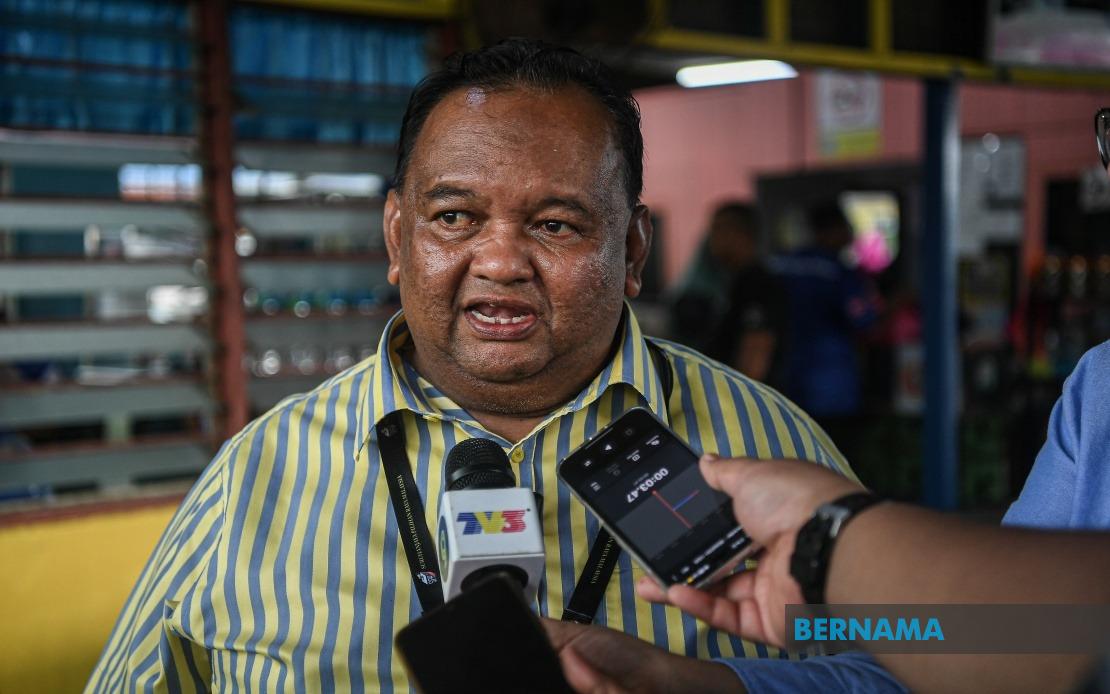
As Johor braces for its state election on July 11, the battle for the Sedili seat is shaping up as a direct clash between economic visions, with incumbent Barisan Nasional assemblyman Muszaide Makmor betting heavily on agricultural modernisation to revitalise the constituency's rural and semi-rural communities.
Muszaide's manifesto centres on expanding agro-technology initiatives across Felda areas through partnership with Universiti Putra Malaysia and Universiti Malaysia Terengganu, positioning modern farming as a pathway to economic uplift for smallholders and second-generation settlers. The strategy reflects broader recognition within Malaysia's ruling coalition that Felda communities, once a core BN support base, have grown increasingly dissatisfied with stagnating household incomes and limited economic opportunities in peripheral agricultural zones.
The centrepiece of his economic agenda involves scaling up specialised aquaculture and horticultural ventures already under way in localised pockets. Giant freshwater prawn hatcheries and mud crab breeding operations in Sungai Sedili Kecil and Sungai Sedili Besar are being presented as proof-of-concept models that can be replicated across Felda settlements. Complementing these initiatives is cultivation of high-value crops such as ginger, which universities can support through technical advisory services. These projects are framed explicitly as income-diversification mechanisms for residents, particularly targeting Felda's younger generation who might otherwise migrate to urban centres.
Beyond farming, Muszaide is campaigning on the imminent opening of an integrated palm oil mill in the area, which his campaign claims will generate over 200 direct employment opportunities for local youths. For a constituency where youth unemployment and outmigration have become chronic governance challenges, the prospect of industrial-scale jobs anchored to the district represents meaningful economic stimulus. The mill's establishment would also extend the local value chain, potentially capturing processing margins that typically leak elsewhere, thereby retaining more economic activity within Sedili.
Yet Muszaide faces a credible three-way challenge. His primary opponent is Rasman Ithnain, a former Sedili assemblyman running under the Perikatan Nasional banner, who is leveraging grievances that Muszaide's incumbency arguably failed to resolve. Rasman's campaign strikes at the heart of institutional dysfunction: nearly 3,000 second-generation Felda recipients have secured land titles but remain unable to build homes due to absent basic infrastructure. Residents carry monthly mortgage obligations of RM300 to Syarikat Perumahan Negara Berhad despite vacant plots, a situation Rasman attributes to deliberate political obstruction.
The infrastructure complaint extends beyond housing. Rasman has elevated water supply disruptions as the election's defining local issue, noting that residents in traditional villages and Felda settlements face recurring supply failures during peak holiday periods. His proposed remedy involves pressuring the Johor government to secure federal financing for a dedicated utility upgrade programme, emphasising that the state has cleared its water debt and possesses fiscal space for such investment. This framing of the problem as solvable through proper political will and inter-governmental coordination contrasts sharply with Muszaide's forward-looking development narrative.
The third contender, Amirul Husni Onn from Pakatan Harapan, enters the fray representing the broader opposition's attempt to recapture ground in Johor after the 2022 federal election shift. Sedili's three-cornered configuration reflects the fractured nature of Malaysian politics post-2018, where no single opposition coalition dominates and incumbents must defend their record while competing for votes against both organised rival parties and growing voter scepticism toward all established political formations.
Muszaide's strategic emphasis on agricultural innovation aligns with state and federal development thinking around rural productivity enhancement. Universiti Putra Malaysia and Universiti Malaysia Terengganu's involvement lends technical credibility to the pitch, and similar schemes have shown promise in other Malaysian regions. However, the success of such programmes depends on sustained follow-up support, extension services, market linkages, and farmer education—elements that cannot be achieved through campaign promises alone and often stall once elections conclude.
The palm oil mill announcement deserves scrutiny. While job creation is undeniable, mills are capital-intensive operations requiring significant upstream planning, environmental clearance, and supply chain coordination. The timing of such announcements within campaign cycles is conventional across Malaysian elections, yet implementation delays are equally common. For voters assessing Muszaide's credibility, whether similar promises made five years ago have materialised will matter more than fresh pledges.
Rasman's emphasis on infrastructure completion rather than new megaprojects appeals to voters fatigued by unfulfilled commitments. The water crisis particularly resonates in rural constituencies where service gaps are tangible and daily hardships. By framing the solution as a financing problem rather than a delivery problem, Rasman shifts responsibility upward to state-level governance, a tactic that gains purchase if residents believe local assemblywomen lack leverage over Johor's resource allocation.
The Sedili contest encapsulates a wider pattern emerging in Malaysian state elections: incumbents touting growth and development versus challengers highlighting institutional failures and demanding accountability for completion of pending projects. Johor voters, across 56 seats and involving 172 candidates, will render their verdict on July 11, after early voting on July 7 provides an initial indication of electoral momentum. The Sedili outcome will signal whether rural constituencies view modernisation and new economic opportunities as adequate compensation for past lapses, or whether they prioritise visible resolution of longstanding grievances.

