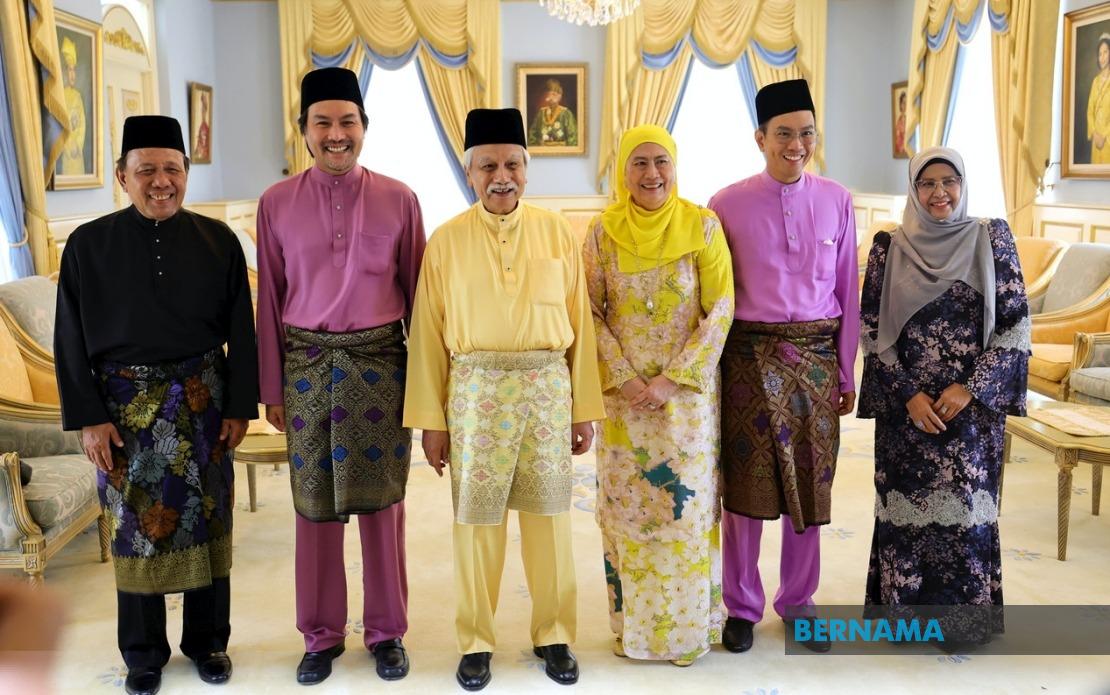
Negeri Sembilan's newly sworn-in Menteri Besar Datuk Ismail Lasim has signalled that the state's executive council composition should be resolved within days, with Friday set as the target deadline for completing the ministerial lineup. Speaking at his inaugural press conference after taking the oath of office before Tuanku Muhriz Tuanku Munawir at Istana Besar Seri Menanti in Kuala Pilah, Lasim outlined a structured process involving multiple layers of consultation before the final configuration reaches the Sultan for formal endorsement.
The appointment process reflects the complex coalition dynamics that emerged from Negeri Sembilan's recent state elections, wherein Barisan Nasional secured 18 of the 36 contested seats and Perikatan Nasional won seven, providing the two coalitions with a commanding two-thirds majority. This electoral outcome creates considerable flexibility in cabinet-building but simultaneously introduces complications around power-sharing arrangements and the potential inclusion of opposition figures in the state administration. Lasim's remarks suggest that both coalitions are committed to operating within a unified government framework rather than pursuing separate administrations.
The Menteri Besar indicated that preliminary discussions with Barisan Nasional leadership must occur before any proposed lineup is presented to the Sultan for approval. This sequencing underscores the continued centrality of BN as the primary governing coalition, with internal party consultations taking precedence. Lasim also flagged imminent conversations with UMNO president Datuk Seri Dr Ahmad Zahid Hamidi to solicit input on the state executive council's composition, particularly regarding the scope for incorporating Perikatan Nasional assemblymen into ministerial positions.
A critical outstanding matter concerns the overall size and structure of the executive council. Lasim expressed a preliminary preference for maintaining the traditional 10-member format that has characterised Negeri Sembilan governance previously, arguing that this scale represents the most operationally efficient arrangement for state administration. However, he cautioned that this preference has not yet been formally decided, indicating that deliberations around council size remain fluid and contingent on broader coalition negotiations.
The inclusion of Perikatan Nasional representatives in the cabinet assumes particular significance given that coalition's seven-seat haul. While this minority position prevents PN from independently influencing executive council decisions, strategic appointments of PN assemblymen to cabinet portfolios could facilitate collaborative governance and reduce potential sources of friction between the two coalitions. Lasim's flagging of this possibility suggests that accommodating PN within the executive structure forms part of ongoing political calculations, though final determinations rest with UMNO leadership at the national level.
Beyond the mechanical question of who occupies which ministerial seat lies the more substantial challenge of portfolio allocation. Lasim clarified that detailed discussions concerning specific executive council member appointments and the distribution of state portfolios will only commence following formal consultations with party leadership. This phased approach allows party hierarchies to establish baseline positions before cabinet portfolios are matched against individual competencies and factional interests.
Lasim's emphasis on inclusive coalition governance reflects recognition that Negeri Sembilan's political composition demands collaborative rather than exclusionary approaches. The Menteri Besar pointedly noted that the state government comprises not only UMNO assemblymen but also representatives from the MCA and MIC component parties within Barisan Nasional. These parties, despite their minority status within the broader coalition, retain legitimate claims to ministerial representation as longstanding participants in the BN framework. Accommodating their interests signals commitment to maintaining the formal coalition structure even as internal power dynamics continue shifting.
The Sultan's stated preference for expeditious resolution adds temporal pressure to the negotiation process. Tuanku Muhriz's desire to see the executive council finalised promptly reflects both institutional expectations around governmental stability and the practical necessity of enabling a properly constituted cabinet to address pressing state administration matters. Delayed cabinet formation can impede decision-making capacity and create uncertainty regarding departmental leadership and policy implementation across state government agencies.
Lasim's inaugural declaration that populace welfare constitutes the primary pillar of state administration establishes the governing framework through which the incoming cabinet should interpret its mandate. This framing positions social and economic welfare as overarching priorities against which ministerial performance should be evaluated. For Malaysian observers in other states, the Negeri Sembilan template demonstrates how coalition governments at the subnational level might balance competing factional interests while maintaining public-facing commitments to inclusive governance.
The timeline established for finalising the executive council carries implications for administrative continuity in Negeri Sembilan. State government ministries and statutory bodies require clear lines of authority to function effectively. Prolonged interregnums between elections and fully constituted cabinets create leadership vacuums that can compromise policy implementation and departmental coordination. Lasim's Friday deadline, if met, would represent relatively expeditious cabinet-building by contemporary Malaysian standards.
For the regional political landscape, Negeri Sembilan's executive council formation demonstrates the feasibility of two-coalition governments operating cooperatively at the state level. Unlike scenarios where electoral outcomes produce hung assemblies or razor-thin majorities necessitating confidence-and-supply arrangements, the comfortable two-thirds majority enables broader incorporation of diverse coalition members. This model contrasts with zero-sum political configurations elsewhere and suggests that surplus legislative majorities can facilitate more inclusive cabinet structures.
The forthcoming week will prove decisive in determining whether Lasim's Friday deadline proves achievable. Successful cabinet finalisation within this window would vindicate the Menteri Besar's preferred timeline and enable the state government to move swiftly toward substantive policy agenda-setting. Conversely, delays would reflect either coalition disagreements requiring additional negotiation or factional disputes within UMNO over ministerial portfolios, both of which would extend the transition period and potentially defer state administrative priorities.

