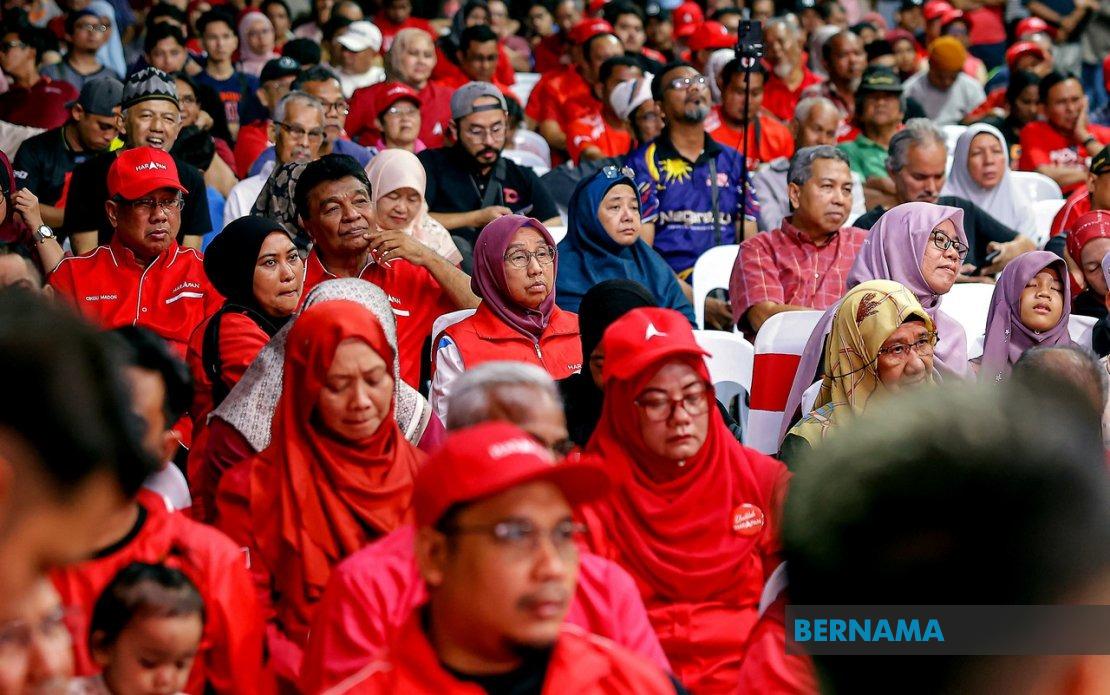
With less than two weeks until polling day on August 1, Negeri Sembilan voters are sending a potent message to campaigning candidates: accessibility and results matter far more than party machinery or local heritage. A survey conducted during the campaign period reveals a electorate frustrated by economic pressures and determined to hold their next representatives accountable for tangible improvements in their daily lives.
The sentiment cuts across demographic lines and income brackets. Retired educator Kamarulzaman Ab Aziz, 64, articulates a philosophy gaining traction among his neighbours: outsiders with genuine community engagement beat local candidates who remain distant and unreachable. His willingness to overlook provincial origin signals a broader voter fatigue with traditional patronage politics, where lineage and incumbency once guaranteed electoral success. This shift reflects a maturing electorate that evaluates candidates on merit and accessibility rather than tribal loyalties.
Economic anxiety dominates voter concerns throughout the state. Nurulainee Hamidon, a 37-year-old trader operating a food business in Linggi, Port Dickson, articulates the squeeze felt by small business owners grappling with relentless input cost inflation. She describes a vicious cycle where rising wholesale prices for raw ingredients force her to increase retail prices, triggering customer backlash and erosion of profit margins. Her predicament mirrors struggles across Malaysia's small and medium enterprise sector, where operators absorb price pressures rather than passing them fully to consumers. For traders like Hamidon, the next government's approach to managing inflation and supporting small businesses will determine whether she can sustain her livelihood.
Rural and estate communities fear exclusion from development frameworks. M. Manisha, a 38-year-old housewife, raises alarm about the tendency for state planners to concentrate infrastructure investments and economic opportunities in urban centres. Estate residents particularly experience this marginalisation, lacking adequate access to quality facilities, transportation networks, and employment hubs. Her concern reflects a persistent geographic inequality within Negeri Sembilan, where prosperity clusters around Seremban while peripheral communities lag in basic amenities and opportunity.
First-time voter Mohammad Najmi Aiman, 22, a college student from Paroi, champions a younger generation's demand for meaningful employment aligned with their education and skill sets. Graduate underemployment and wage stagnation plague Malaysia's youth labour market, forcing qualified young people into positions beneath their qualifications. Aiman's focus signals that the incoming state government cannot ignore youth frustration over career prospects and purchasing power inadequate to cover rising living costs.
The tone of political competition itself has become an election issue. Lim Kian, a 43-year-old private sector worker from Port Dickson, explicitly calls for civility and constructive debate among contending parties and their supporters. His appeal reflects broader societal concern that Malaysian politics has become increasingly acrimonious, with personal attacks and character assassination overshadowing policy discussion. By framing healthy competition as a voter expectation, Lim articulates an implicit demand that whichever party ultimately governs should govern with the consent and cooperation of the losers.
The Negeri Sembilan state election involves 889,490 registered voters scattered across 36 constituencies. The Election Commission has registered 867,151 regular voters, alongside 16,884 military personnel and their spouses and 5,455 police officers and their families. A total of 103 candidates are contesting, offering voters genuine choice and competition in most races. Early voting on July 28 precedes the main polling day, accommodating military and police personnel who cannot vote on election day.
These voter priorities carry implications for Malaysian politics beyond Negeri Sembilan. The state election functions as a bellwether for national sentiment, as voters in this relatively balanced jurisdiction test the major coalitions' economic narratives and leadership credentials. If candidates and parties respond effectively to demands for cost of living relief, rural inclusion, and employment quality, they signal capacity for governance. If they dismiss these concerns as secondary to coalition politics and regional power struggles, they invite the electorate rejection already manifest in recent state and federal contests.
The shift toward performance-based evaluation of candidates reflects generational and educational changes within the Malaysian electorate. Higher literacy rates and exposure to diverse information sources mean voters increasingly fact-check campaign promises and compare candidate credentials against publicly available records. Social media amplifies voter voices, allowing grassroots concerns to circulate beyond the reach of traditional gatekeepers. Candidates can no longer rely on local party machinery to manufacture consent; they must demonstrate competence and commitment through sustained community engagement.
For ruling coalitions seeking to consolidate power and opposition parties hoping to recapture ground, the Negeri Sembilan campaign offers a diagnostic test of their appeal to ordinary Malaysians confronting inflation, employment precarity, and unequal development. How they respond to the practical concerns articulated by traders, housewives, students, and workers will shape electoral momentum heading into the next federal contest.

