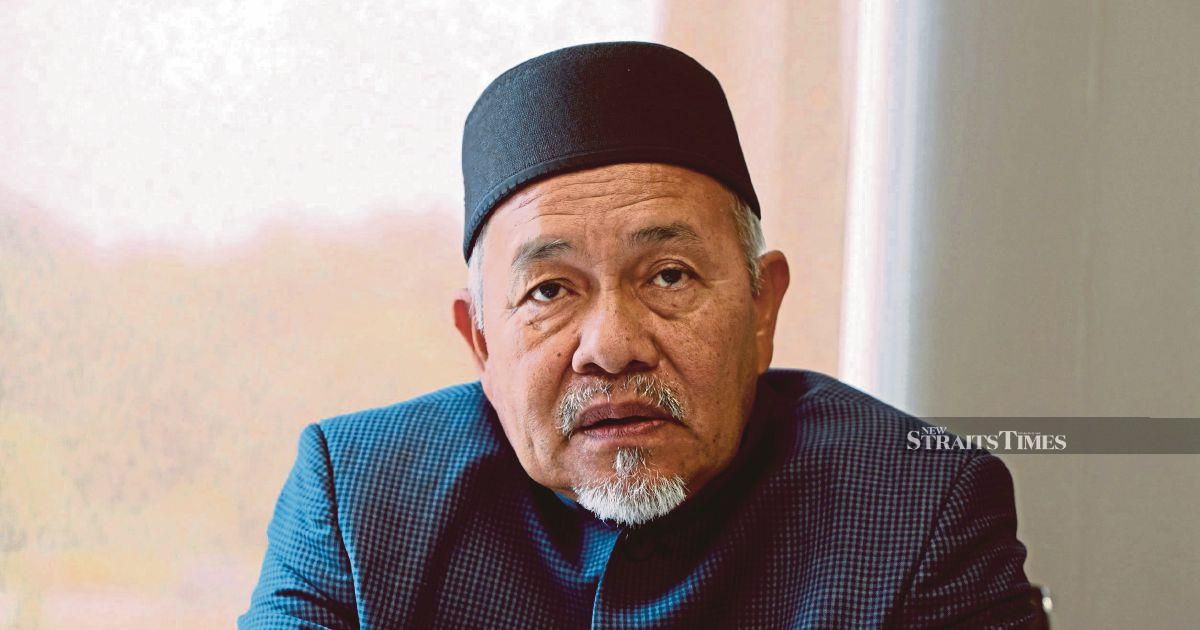
As Perikatan Nasional prepares to unveil its election platform for the Negri Sembilan state polls, party leaders have acknowledged that their manifesto contains substantial parallels with the competing Barisan Nasional agenda, raising questions about the substantive distinctions voters can expect between the two major coalition contenders in the upcoming campaign.
Tuan Ibrahim, a senior figure within Perikatan Nasional, made the observation while discussing the coalition's policy direction ahead of the formal manifesto launch. His candid assessment suggests that both political alliances, despite their ongoing rivalry and different bases of support, have converged on similar positions regarding the pressing concerns of Negri Sembilan residents. This convergence reflects broader trends in Malaysian electoral politics, where coalitions increasingly compete on implementation records and leadership credibility rather than fundamentally divergent policy visions.
The existence of overlapping platforms between PN and BN raises important implications for voters attempting to differentiate between competing visions for the state. When manifestos share core elements, electoral contests often hinge on secondary factors including party machinery effectiveness, voter trust in leadership figures, and regional economic performance under incumbent administrations. For Negri Sembilan specifically, where the state has experienced recent shifts in political control, voters will likely weigh past governance records alongside promises outlined in campaign documents.
Historically, Malaysian state elections have demonstrated that policy similarity does not necessarily translate into identical electoral outcomes. Local factors—including constituent assembly performance, development project delivery, and on-the-ground political organisation—frequently determine results regardless of comparable manifesto content. Negri Sembilan voters, in particular, have shown willingness to switch support between coalitions in successive elections, suggesting that campaign messaging and perceived administrator competence carry considerable weight in their voting calculus.
The acknowledgement of manifesto similarities also reflects pragmatic political positioning by both coalitions. By accepting comparable policy frameworks, parties signal stability and mainstream appeal to moderate voters concerned about radical policy shifts. This approach contrasts sharply with more polarised electoral environments elsewhere, where competing coalitions present starkly different ideological visions. In Malaysia's context, where coalition governments increasingly govern in partnership despite electoral competition, demonstrating policy compatibility may serve long-term political interests regarding potential post-election negotiations or cooperation arrangements.
For Malaysian observers and political analysts, the revealed similarities offer insight into contemporary coalition strategy and voter prioritisation. Both PN and BN have clearly identified broadly similar issues as resonating with Negri Sembilan constituents, whether regarding economic development, infrastructure investment, or social service provision. This alignment suggests that parties conducted comparable voter consultation processes or responded to identical economic pressures and demographic trends affecting the state.
Tuan Ibrahim's transparency regarding manifesto overlaps also positions Perikatan Nasional as a confident political force willing to contest elections on factors beyond purely policy differentiation. This confidence reflects PN's national strengthening, particularly following its advances in recent elections and strengthened position within state and federal governance structures. By frankly acknowledging similarities rather than manufacturing artificial distinctions, PN leadership projects an image of straightforward political engagement focused on substantive governance rather than rhetorical posturing.
The Negri Sembilan election, whenever held, will provide important indicators regarding voter preferences between competing coalitions in a state where political control has shifted multiple times over the past decade. The campaign's actual content—beyond manifesto documents—will likely prove decisive, including how PN and BN respective teams articulate policy implementation plans, address state-specific economic challenges, and present their leadership credentials to increasingly discerning voters. Campaign momentum, grassroots mobilisation, and media coverage will probably matter more than manifesto wordsmithing.
From a Southeast Asian perspective, Malaysia's coalition-based political system continues demonstrating unique characteristics. Unlike neighbouring democracies with more strictly bipolar competition, Malaysian voters routinely encounter competing coalitions offering overlapping policy frameworks but distinct leadership teams and organisational capacities. This structure encourages parties to differentiate through performance and personality rather than ideology, creating electoral contests focused on competence rather than fundamental systemic alternatives. The Negri Sembilan manifestos exemplify this pattern.
Looking forward, voters in Negri Sembilan will evaluate both coalitions' track records in delivering on previous commitments alongside new pledges outlined in campaign materials. The state's economic trajectory, employment opportunities, and social infrastructure quality will undoubtedly influence electoral outcomes more substantially than manifesto parallels. Both PN and BN will ultimately compete on implementation credibility—their demonstrated ability to translate policy commitments into tangible results affecting residents' daily lives.
As the campaign accelerates, expect both coalitions to emphasize distinctive aspects of their governance philosophy and leadership approach despite acknowledging policy convergence. Tuan Ibrahim's measured observation about manifesto similarities reflects sophisticated political communication—acknowledging reality while implicitly suggesting that Perikatan Nasional offers superior execution capacity or governance vision. The Negri Sembilan electorate will ultimately determine whether such claims prove persuasive or whether the existing political alignment, whatever its policy content, retains voter confidence.

