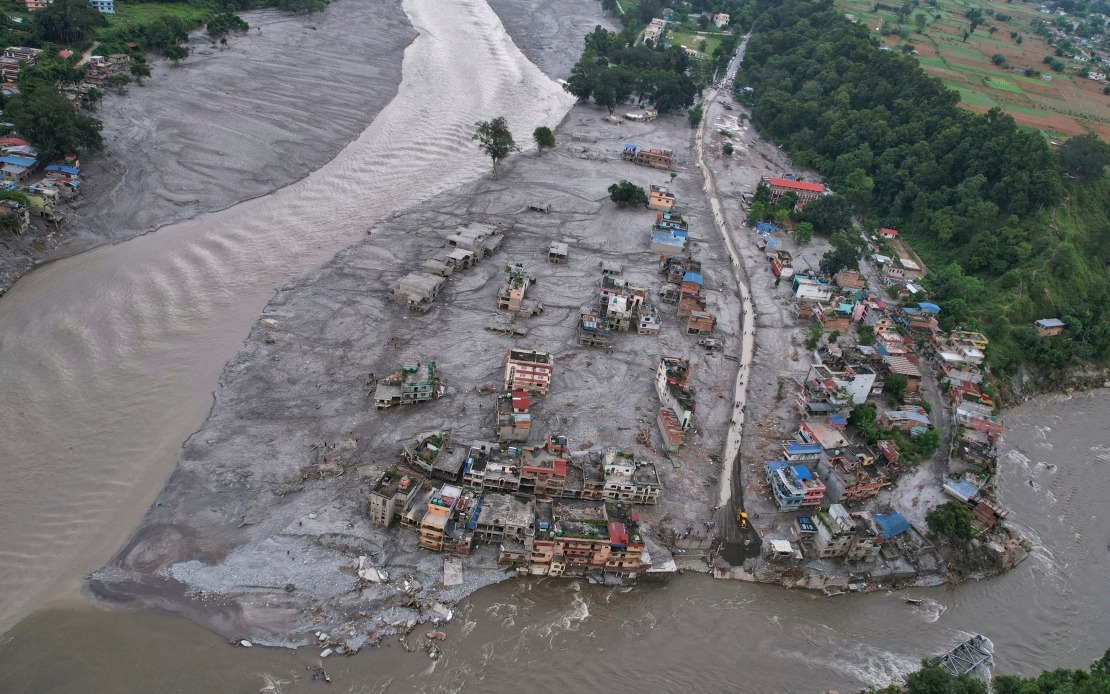
Nepal is taking a measured approach to international relief efforts following the devastating floods that swept through its central and northern regions, with officials signalling they will assess the full extent of the crisis before accepting search and rescue missions from countries beyond those already engaged. The Nepalese government has permitted rescue operations from Australia, China, India and South Korea, yet remains cautious about expanding the international footprint as rescue workers grapple with an unprecedented humanitarian emergency triggered by the failure of the Bhote Koshi and Trishuli river systems on Wednesday.
Malaysia figures prominently among nations that have stepped forward to offer assistance in the wake of the disaster. Prime Minister Datuk Seri Anwar Ibrahim has indicated that Malaysia is actively coordinating humanitarian aid delivery to the flood-stricken nation and is prepared to deploy the Malaysian Special Search and Rescue Team (SMART) if invited. This commitment reflects the historical cooperation between the two countries and Malaysia's capacity in specialist emergency response operations.
According to Mohd Firdaus Azman, the charge d'affaires at the Malaysian Embassy in Kathmandu, Nepalese authorities have communicated that they will conduct a thorough situation assessment before making decisions regarding additional foreign rescue team deployments. This cautious stance appears driven by the need to understand the full scope of the emergency, coordinate existing international operations effectively, and determine precisely where external expertise is most critically needed.
The four countries whose SAR assistance has already been accepted have particular stakes in Nepal's crisis. Each nation has substantial populations working at hydroelectric facilities in the affected regions, creating both an immediate humanitarian imperative and practical justification for their involvement. These workers represent a direct national interest that facilitated rapid diplomatic coordination for rescue missions.
The scale of the emergency underlying Nepal's deliberate approach becomes evident in the staggering figures emerging from the disaster zone. More than nine hundred workers at eleven hydroelectric projects, including facilities still under construction, have become trapped in tunnels and underground powerhouses, according to Nepalese media reports. These underground locations present extraordinary technical challenges for rescue operations, requiring specialized equipment and expertise to access workers safely without triggering additional structural collapses or flooding.
The human toll of Wednesday's flooding has already reached devastating proportions. Preliminary reports indicate that at least 633 people have died across Nepal and neighbouring China, with an additional three thousand individuals unaccounted for, including significant numbers of foreign nationals. These figures continue to rise as rescue teams access previously unreachable areas and as the full extent of casualties in remote mountain communities becomes apparent.
Malaysian nationals caught in the disaster zone represent a significant concern for Kuala Lumpur. As of Saturday evening, the Malaysian Foreign Ministry reported that 55 Malaysians in Nepal and 36 Malaysians in China remained uncontactable, heightening anxiety among families and prompting coordinated diplomatic efforts to locate and assist affected citizens. These figures underscore the interconnectedness of regional economies and the growing presence of Malaysian workers across South and East Asia.
Nepal's measured response to additional international assistance reflects broader challenges facing disaster-stricken nations. Coordinating multiple foreign rescue teams requires translating complex communication, establishing unified command structures, and ensuring that assistance actually reaches the most critical areas rather than creating logistical confusion. The Nepalese government's decision to assess the situation first demonstrates administrative sophistication in managing international crisis response.
For Malaysia, Nepal's cautious approach presents both opportunity and patience as a test. The readiness of SMART units to deploy demonstrates Malaysian capacity and willingness to contribute to regional stability. However, acceptance of such assistance will depend on Nepal's assessment of its own capabilities and the specific nature of rescue challenges encountered. Malaysian involvement could prove particularly valuable given the nation's experience with monsoon-related disasters and hydroelectric facility emergencies.
The disaster underscores the vulnerability of major infrastructure projects in mountainous terrain, particularly during extreme weather events. The concentration of workers in underground powerhouses represents an acute risk that climate change and increasingly severe weather patterns may intensify across the Himalayan region. Nepal's infrastructure development strategy will likely face renewed scrutiny regarding safety protocols and emergency preparedness at hydroelectric installations.
Regional cooperation mechanisms face a real-world test through Nepal's flood response. The willingness of India, China, Australia and South Korea to coordinate rescue operations, combined with Malaysia's readiness to contribute, demonstrates that catastrophic disasters can transcend political tensions and foster collaborative humanitarian action. Such precedents may strengthen patterns of mutual assistance across South and Southeast Asia during future emergencies.
The coming days will prove crucial as Nepal completes its situation assessment. The decision regarding additional international rescue teams will reflect not only current capacity gaps but also Nepal's confidence in managing complex multi-national emergency operations. For Malaysia, positioning SMART as available without pressing for deployment reflects diplomatic maturity while keeping options open as the crisis evolves and rescue needs become increasingly clarified.

