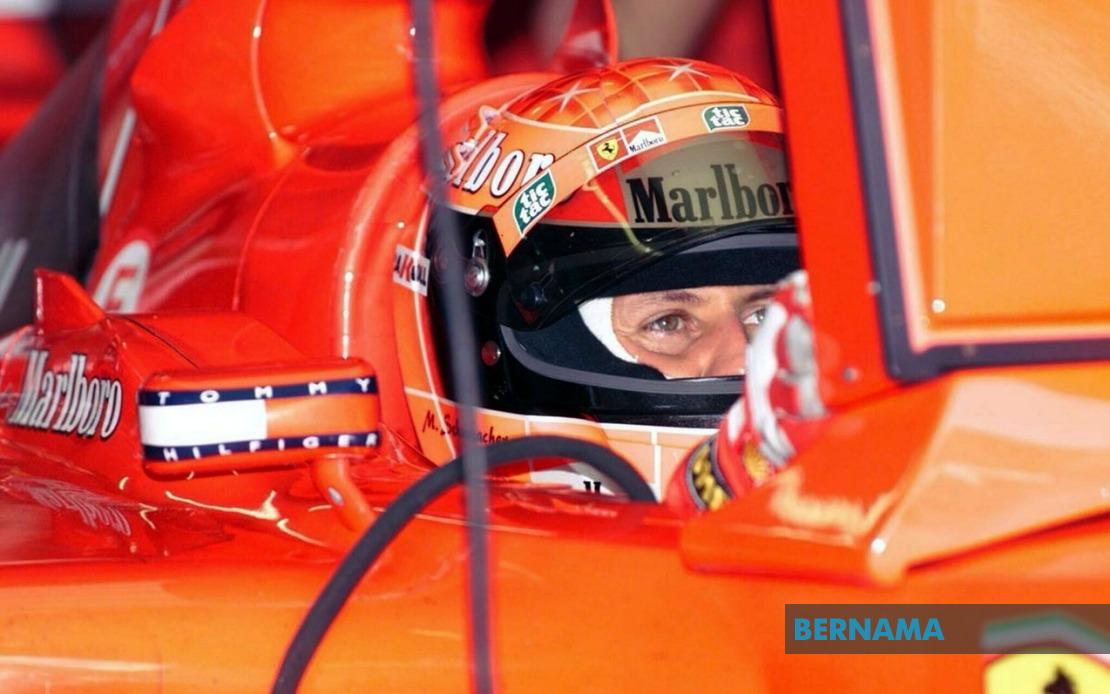
Streaming platform Netflix has confirmed it will release a major documentary chronicling German Formula One icon Michael Schumacher on October 2, marking a significant media event for global motorsport enthusiasts and those interested in one of sport's most compelling biographical narratives. The production represents a rare collaborative effort with Schumacher's family, particularly his wife Corinna, offering unprecedented access to reflect on a watershed moment in the legendary driver's career during an era that fundamentally reshaped professional racing.
The documentary zeroes in on the 1994 season, when the then 25-year-old Schumacher claimed the first of his record-equalling seven world championships, a year that stands apart in Formula One history for its extraordinary mix of sporting triumph, institutional controversy, and personal tragedy. This particular season has endured as perhaps the most contentious championship in the sport's modern era, generating debate that persists three decades later among fans, analysts, and rival teams regarding the legitimacy of the outcome and the methods deployed to achieve it.
Central to the season's narrative is the escalating tension between Schumacher's Benetton team and rival competitors who questioned the technical legality of their vehicle throughout the campaign. Allegations emerged that Benetton had deployed sophisticated hydraulic systems and software packages allegedly designed to circumvent sporting regulations, giving their drivers an unfair advantage during critical moments in races. These accusations created an atmosphere of suspicion that coloured the entire championship battle and resulted in investigations by motorsport authorities, though definitive proof of rule violations remained contested among technical experts and governing bodies.
The documentary does not shy away from the catastrophic human toll that defined 1994, a year that shocked the global motorsport community. The season witnessed two fatal accidents that claimed the lives of promising driver Roland Ratzenberger and three-time world champion Ayrton Senna, the latter occurring during the San Marino Grand Prix at Imola in May. These tragedies cast a profound shadow over the entire championship, transforming what might otherwise have been a straightforward narrative of Schumacher's ascent into something far more complex and emotionally resonant, forcing the sport and its participants to confront questions about safety, technology, and human vulnerability.
The production features testimony from significant figures who directly witnessed and shaped these events. Corinna Schumacher provides personal perspectives on her husband's career during this transformative period, while former Benetton team principal Flavio Briatore offers insider commentary on the technical and strategic decisions that defined the team's campaign. Bernie Ecclestone, who served as Formula One's commercial chief, provides institutional perspective on how the sport's governing authorities and commercial stakeholders navigated the year's turbulent circumstances, offering context on the often-contentious relationship between business interests and sporting integrity.
David Coulthard, a respected former driver who competed during this era, contributes his recollections as both a contemporary rival and observer of the championship battle's intensity. Willi Weber, Schumacher's then-manager, rounds out the testimony with perspective on the business and personal dimensions of representing a driver ascending toward global stardom during such controversial circumstances. These varied viewpoints collectively construct a multifaceted examination that extends beyond simply documenting race results to explore the human, technical, and institutional dimensions of professional motorsport.
The documentary also examines the emergence of "Schumi-mania" in Germany, a cultural phenomenon that saw Schumacher's nationality and remarkable talent generate unprecedented enthusiasm and media attention within his home country. This grassroots phenomenon would lay the foundation for decades of intense German fan engagement with Formula One, fundamentally altering the sport's market dynamics and visibility in Central Europe. The rise of Schumacher coincided with significant social and political transitions in post-reunification Germany, making his sporting success resonate beyond racing circles into broader cultural narratives about national identity and achievement.
The championship itself came down to a definitive moment at Adelaide, Australia in December 1994, where Schumacher edged out British driver Damon Hill by a single point in a season finale so controversial it generated regulatory and sporting investigations lasting months afterward. That climactic race encapsulated all the tensions that had accumulated throughout the year—the technical suspicions, the competitive intensity, and the high stakes involved in modern Formula One at the highest professional level. Schumacher's narrow triumph represented validation of his exceptional driving talent while simultaneously becoming forever entangled with questions about methodology and sporting fairness.
The documentary arrives at a moment when Schumacher himself remains largely removed from public life. Now aged 57, the seven-time world champion suffered a grave head injury during a private skiing accident in 2013 that has kept him out of the spotlight for over a decade. His family has carefully guarded his privacy and health status, making this Netflix production one of the few substantial public reflections on his life and legacy in recent years. The decision to focus on 1994 rather than attempting a comprehensive career retrospective suggests a deliberate choice to examine a single pivotal year that crystallizes the tensions between sporting achievement and the costs of pursuing championship glory at motorsport's highest level.
For Southeast Asian audiences with growing interest in Formula One, particularly given the regional presence of contemporary drivers and expanding grassroots racing programmes across Malaysia, Singapore, and Thailand, this documentary offers historical context for understanding how the sport evolved into its modern form. The 1994 season represented a inflection point where technology, money, and regulatory ambiguity began shaping outcomes in increasingly sophisticated ways—dynamics that continue influencing how contemporary Formula One operates. Understanding this pivotal year provides insight into the sport's ongoing struggles to balance competitive innovation with sporting fairness, challenges that remain relevant across professional motorsport globally.

