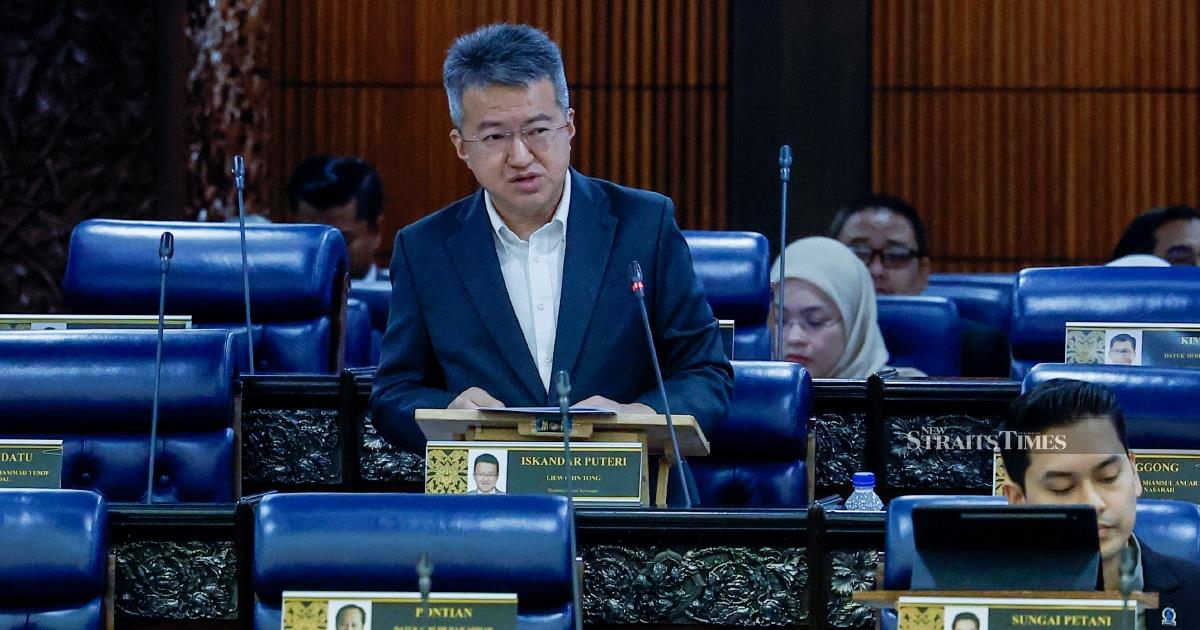
Malaysia has moved to strengthen parliamentary oversight of the Kumpulan Wang Amanah Negara (KWAN) with passage of legislation designed to prevent a repeat of the controversial RM5 billion withdrawal that took place in 2021. The newly enacted Bill represents a significant tightening of governance requirements around the sovereign fund, mandating that any future withdrawal must receive explicit approval through a Dewan Rakyat resolution rather than relying on discretionary executive authority.
The 2021 withdrawal exposed substantial weaknesses in the regulatory framework governing access to and deployment of KWAN resources. At the time, the transaction proceeded with minimal parliamentary scrutiny, revealing that existing rules contained significant gaps permitting fund withdrawals without the level of legislative oversight that many observers and lawmakers believed should accompany such substantial financial transactions. The absence of clear parliamentary safeguards prompted calls for legislative reform to prevent future governments from accessing the fund unilaterally.
KWAN serves as Malaysia's principal mechanism for managing long-term national savings and wealth accumulation. The fund pools resources intended to support government financing needs and provide a buffer against economic shocks. The scale of the 2021 withdrawal—equivalent to billions of ringgit—underscored the magnitude of resources that could potentially be deployed without adequate democratic checks. The transaction highlighted how institutional gaps can permit major fiscal decisions to proceed with limited public debate or legislative consideration.
The legislative response focuses on requiring formal parliamentary approval before any withdrawal occurs. This amendment fundamentally restructures the decision-making process by investing the Dewan Rakyat with explicit veto authority over fund access. Rather than treating withdrawals as routine administrative transactions subject to executive discretion, the new framework elevates such decisions to require the explicit consent of elected representatives. This shift reflects recognition that deployment of national savings warrants the same rigorous parliamentary examination applied to other major fiscal commitments.
For Malaysian taxpayers and citizens, the change carries significant implications. KWAN represents accumulated public wealth built through government surpluses and returns on invested assets. Decisions about when and how to access these resources directly affect the nation's long-term financial position and the availability of savings to address future crises or support essential spending. By requiring parliamentary approval, the legislation ensures that elected representatives must publicly justify and defend any withdrawal, making the decision-making process more transparent and accountable to the broader population.
The regulatory evolution also reflects broader global trends toward strengthening oversight of sovereign wealth funds and strategic assets. International experience demonstrates that when such institutions operate with inadequate parliamentary scrutiny, the risk of misallocation or deployment for purposes inconsistent with public interest increases substantially. The KWAN amendment aligns Malaysia's governance standards more closely with practices adopted by other nations managing large accumulations of public wealth.
The 2021 incident occurred during a period of fiscal strain as Malaysia managed economic impacts of the pandemic and undertook substantial stimulus spending. That context, while understandable, did not prevent subsequent criticism of the withdrawal decision-making process. The speed and lack of formal debate surrounding the transaction became a focal point for concerns about executive overreach and insufficient parliamentary engagement in major fiscal decisions.
Implementing the new framework will require coordination between the executive branch and parliament to establish procedures ensuring timely Dewan Rakyat consideration of withdrawal requests while maintaining operational efficiency. The legislation must balance the government's need to access funds when legitimate circumstances warrant with parliamentarians' requirements for sufficient information and debate time to make informed decisions. How these procedures develop will influence the practical effectiveness of the new oversight mechanism.
For investors and international observers monitoring Malaysia's governance quality, the legislative change sends a positive signal about institutional responsiveness to identified weaknesses. Strengthening oversight mechanisms and closing regulatory gaps demonstrates institutional self-correction and commitment to sound stewardship of public resources. Such governance improvements contribute to Malaysia's broader credibility and stability profile in global financial markets.
The implications extend beyond KWAN itself. The legislative approach establishes a precedent that substantial withdrawals from major government funds warrant parliamentary resolution rather than executive determination alone. Future administrations may face similar requirements if parliament determines that other strategic assets or reserves warrant comparable protections. The principle—that elected representatives should exercise explicit authority over major deployment of public resources—reflects foundational democratic accountability concepts applicable across multiple institutional contexts.
Practical implementation will test whether the new framework successfully prevents the circumvention of oversight while enabling legitimate fund access. Parliament must develop efficient procedures for evaluating withdrawal proposals and making timely decisions. The government must present compelling justifications when requesting access. The balance between these requirements will determine whether the legislation effectively closes the identified loophole or whether future administrations discover alternative methods to work around parliamentary requirements.
Moving forward, KWAN's governance now reflects expectations that major financial institutions managing national wealth operate under meaningful democratic supervision. The legislative change acknowledges that while executive management of routine operations remains appropriate, decisions involving fundamental deployment of accumulated resources require explicit popular representation. This distinction anchors the reformed framework and shapes how Malaysia's approach to sovereign wealth management will function under future governments.

