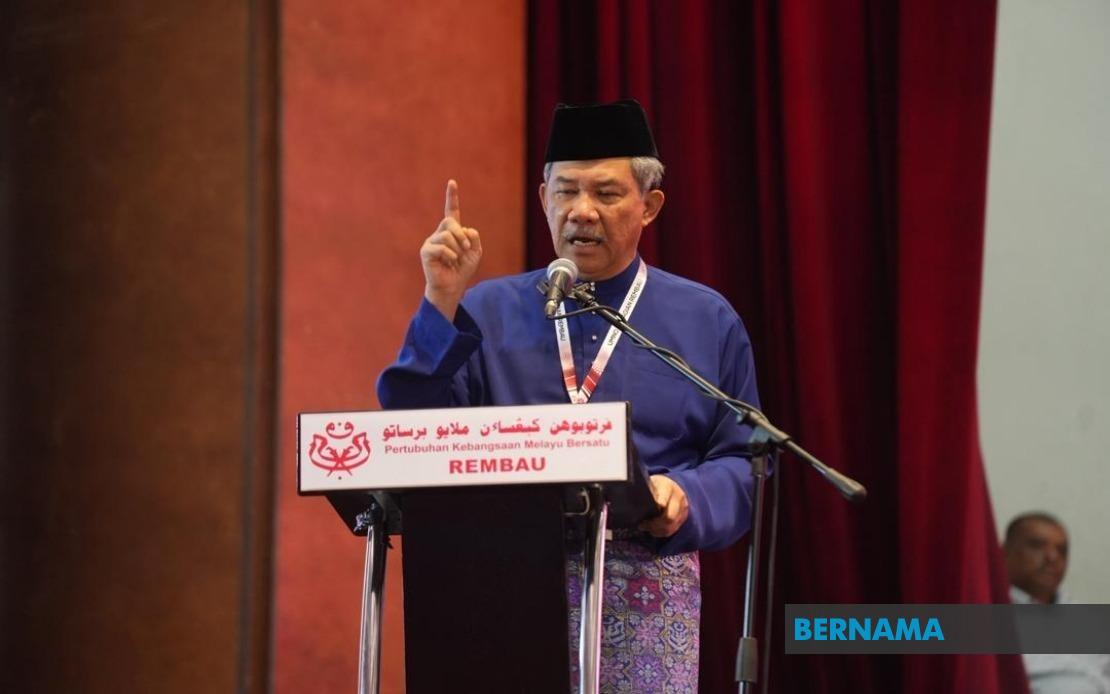
Barisan Nasional's second-in-command has thrown his weight behind a fresh cohort of state administrators in Negeri Sembilan, asserting that the 10 newly sworn exco members possess the capability and commitment required to uphold their ministerial duties effectively. Datuk Seri Mohamad Hasan, who holds the dual positions of BN Deputy Chairman and Rantau State Assemblyman, made his endorsement at a gathering in Seremban following the formal oath-taking ceremony conducted before Tuanku Muhriz Tuanku Munawir, the Yang Dipertuan Besar of Negeri Sembilan, at Istana Besar Seri Menanti.
In his remarks to assembled press, Mohamad articulated a vision of what constitutes effective governance at the state level, emphasizing that exco members function as critical conduits between the administrative apparatus and the citizenry they serve. This intermediary role extends beyond mere administrative machinery; it encompasses the crucial responsibility of translating government directives into language and concepts accessible to ordinary Malaysians, ensuring that policy rationale resonates with communities and gains their buy-in. Conversely, exco members must develop sophisticated mechanisms for channelling grassroots concerns, local grievances, and constituent feedback upward through the governance hierarchy.
The structural approach Mohamad outlined reflects a recognition that top-down governance without corresponding bottom-up dialogue creates blind spots within state administration. By positioning exco members as bilateral translators, the framework acknowledges that sound policymaking requires input from those living with policy outcomes daily. This is particularly relevant in Malaysian federalism, where state governments manage portfolios—health, education, local development—that directly affect residents' quality of life. Without functional communication channels between administration and populace, even well-intentioned policies risk implementation failures rooted in poor public understanding or unanticipated local complications.
Mohamad stressed that incoming exco members must undertake rigorous familiarization sessions with civil servants and technical departments operating within their respective portfolio areas. This hands-on orientation process proves essential for elected officials transitioning into administrative roles, particularly those stepping into state-level cabinet positions for the first time. Officials require detailed briefings on departmental structures, existing programmes, budgetary constraints, staffing arrangements, and ongoing initiatives before they can effectively chart strategic direction or resolve complications. Without this foundational knowledge, exco members risk making decisions disconnected from operational realities or inadvertently undermining institutional continuity.
Equally significant is the interpersonal dimension Mohamad highlighted regarding relationships between exco members and state government departments. Harmonious working relations between political appointees and career civil servants determine whether policies translate into tangible implementation. Where tensions exist between these constituencies, bureaucratic friction can slow programme delivery and frustrate public expectations. The coordination mechanisms that Mohamad referenced—presumably formal liaison channels, regular consultations, and collaborative problem-solving forums—represent institutional features designed to prevent such friction and maintain policy momentum.
The timing of this administrative transition in Negeri Sembilan reflects the broader rhythms of Malaysian coalition politics. The Menteri Besar's ability to constitute an exco reflecting party political strengths and ministerial ambitions demonstrates the executive authority vested in state chief executives. These appointments, while reflecting confidence in the chosen members' capabilities, also represent calculations about factional balance within ruling parties and recognition of different constituencies' representation claims. The symbolic significance of the oath-taking ceremony before the Yang Dipertuan Besar underscores the constitutional basis of state governance in Malaysia's constitutional monarchy framework.
Mohamad's intervention carries weight partly because his comments signal Barisan Nasional's institutional confidence in the Negeri Sembilan administration's direction. As BN deputy chairman, his remarks carry implicit endorsement from the coalition's senior leadership. This public backing becomes particularly valuable when new exco members encounter resistance from entrenched interests or face initial scepticism from constituencies unsure about their commitment to localized concerns. The leadership-level validation Mohamad provided helps establish these officials' legitimacy as they undertake their roles.
Shifting focus to electoral matters, Mohamad addressed speculation regarding a possible Melaka State Election, clarifying that such constitutional proceedings remain the prerogative of that state's Chief Minister. The mention of Melaka, while tangential to the Negeri Sembilan exco appointments, reflects the interconnected nature of Malaysian coalition politics. Electoral timing across states carries implications for federal coalition strength and momentum. Any Melaka dissolution would require securing the Yang Dipertua Negeri's consent—a constitutional safeguard preserving monarchical oversight of legislative processes.
The broader context surrounding these administrative developments illuminates ongoing debates about governance quality in Malaysian states. Observers frequently scrutinize whether appointed exco members prioritize partisan loyalties over constituents' welfare, whether they possess sufficient technical expertise for their portfolios, and whether they maintain sufficient independence from entrenched bureaucratic cultures. Mohamad's characterization of these new officials as capable and committed attempts to preempt such questioning, though public confidence ultimately depends upon tangible policy outcomes and service delivery improvements.
For Malaysian readers, particularly those residing in Negeri Sembilan, these exco appointments carry immediate relevance to how state resources will be allocated, how responsive government agencies become to local concerns, and what development priorities will receive emphasis in coming years. The calibre and commitment of appointed officials materially affects whether state administration functions smoothly or whether bureaucratic dysfunction undermines public confidence. Mohamad's confidence in the new cohort will ultimately be judged not by his endorsement but by whether these officials demonstrate genuine accessibility to constituents and produce measurable improvements in state service delivery.

