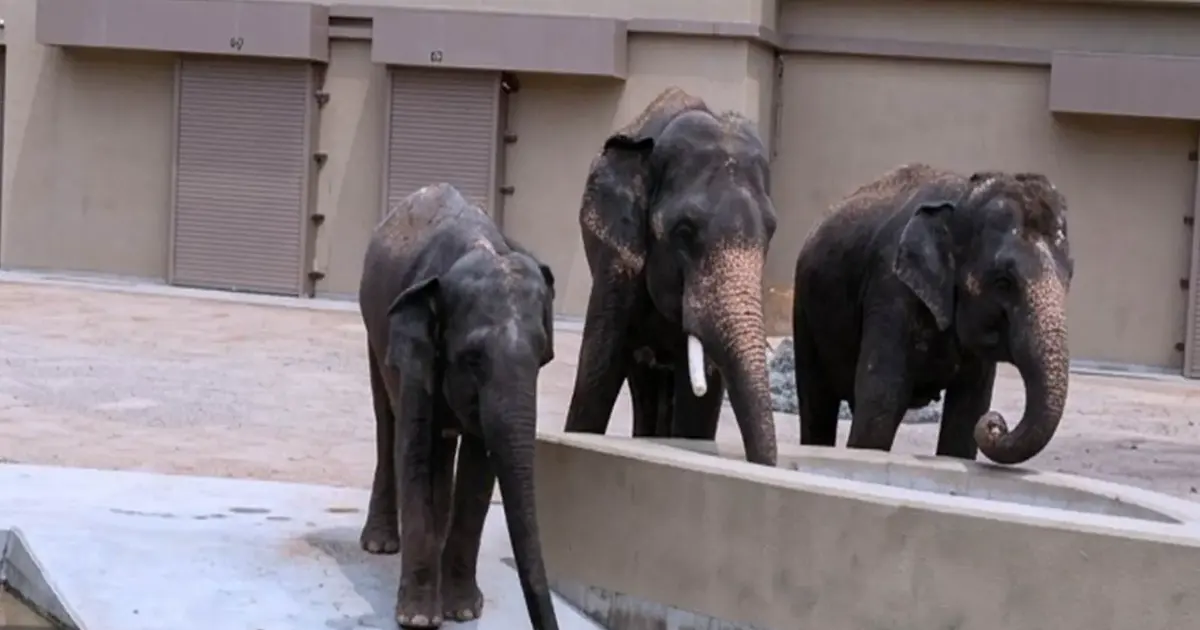
A prominent Malaysian NGO leader and legal practitioner, Rajesh Nagarajan, has made serious allegations regarding financial irregularities surrounding the relocation of elephants to Japan, claiming that RM50 million was channelled to private individuals rather than through official government treasury channels. The assertion has raised significant questions about transparency and financial accountability in wildlife management transactions, particularly given Malaysia's international obligations regarding the welfare and protection of endangered species.
Nagarajan's central claim hinges on the assertion that substantial payments related to the elephant transfer initiative bypassed standard governmental accounting procedures entirely. Rather than entering the national coffers through established fiscal mechanisms, he contends the funds were distributed directly to individuals involved in facilitating the cross-border relocation. This allegation, if substantiated, would suggest a deliberate circumvention of financial oversight systems designed to ensure public accountability and prevent misappropriation of state resources.
The timing and context of these allegations carry particular weight in Malaysia's ongoing efforts to strengthen institutional integrity and combat corruption across all government operations. The RM50 million figure represents a substantial sum that warrants rigorous examination, especially when the transaction involves the movement of protected wildlife and international agreements. Such transactions typically require multiple approval layers and documentation trails, making the alleged direct payments to individuals potentially problematic from both governance and legal perspectives.
Nagarajan has publicly called upon the Malaysian Anti-Corruption Commission (MACC) to initiate a comprehensive investigation into the matter. This appeal underscores the gravity with which the allegations have been raised and reflects confidence in Malaysia's anti-corruption machinery to thoroughly scrutinise the financial mechanics of the elephant transfer project. The involvement of a legal professional in raising these concerns lends additional credibility to the call for formal inquiry, as legal practitioners typically advocate for investigations only when they believe substantial evidence warrants official examination.
The elephant transfer to Japan represents a significant diplomatic and conservation undertaking between Malaysia and Japan, institutions with long-standing relationships in wildlife management and scientific cooperation. Any financial irregularities within such initiatives could potentially affect bilateral relations and Malaysia's credibility in future international wildlife programmes. Consequently, swift and transparent investigation becomes not merely an internal governance matter but also an international relations consideration.
Wildlife relocation projects typically involve substantial costs encompassing veterinary care, transportation infrastructure, specialised logistics, and international coordination fees. However, these legitimate expenses should flow through traceable governmental channels where they can be audited and verified. The allegation that RM50 million was distributed directly to individuals rather than through institutional mechanisms suggests a potential departure from established procurement and financial procedures that govern major state-funded initiatives.
The implications for Malaysia's enforcement of financial controls within environmental and wildlife management agencies are considerable. If funds intended for wildlife conservation and international cooperation programmes are not being properly accounted for through government systems, this could indicate systemic vulnerabilities in how other environmental projects are financed and monitored. Such gaps could extend beyond this specific transaction to affect numerous other conservation initiatives requiring substantial government investment.
From a Southeast Asian perspective, the allegations take on broader significance given the region's shared responsibility for protecting endangered species and managing transnational wildlife movements. Thailand, Indonesia, and other neighbouring nations that engage in similar international wildlife cooperation programmes would be keenly observing Malaysia's response to these allegations. How Malaysia addresses the transparency and accountability questions raised could influence regional standards for conducting such operations.
The call for MACC intervention also reflects broader concerns within civil society about ensuring that government agencies involved in natural resource management and wildlife protection operate with full transparency. NGOs play a crucial watchdog role in highlighting potential irregularities, particularly when mainstream media coverage may be limited or delayed. Nagarajan's public stance demonstrates the importance of civil society engagement in maintaining institutional accountability, especially in technical areas like wildlife management that may escape routine public scrutiny.
The elephant transfer initiative itself remains significant for Malaysia's conservation efforts and international standing in wildlife protection. However, the financial allegations now cast a shadow over the project's execution and raise questions about whether established procedures were properly followed throughout. A thorough MACC investigation would serve to either substantiate concerns about financial mismanagement or provide reassurance that all transactions were conducted within proper governmental frameworks and legal requirements.
Resolution of these allegations through formal investigation would demonstrate Malaysia's commitment to maintaining integrity in government spending and protecting public resources. The RM50 million sum is substantial enough to warrant serious examination, and the allegations specific enough to provide investigators with clear parameters for inquiry. Public confidence in wildlife management initiatives and government financial stewardship depends on transparent handling of such concerns when they are raised by credible observers.