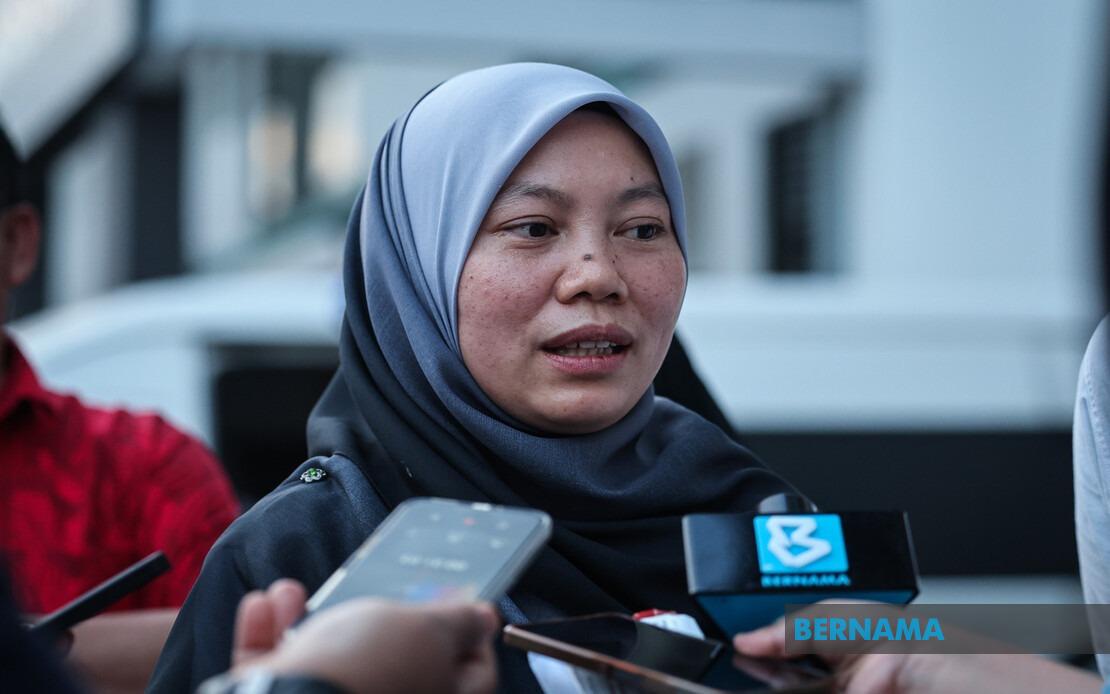
The Pakatan Harapan candidate contesting the Tiram state seat in the ongoing Johor elections, Nor Zulaila Abd Ghani, has expressed growing confidence that voters will back her campaign as polling day approaches. Speaking in Pasir Gudang on July 5, she attributed her optimism to the consistently warm reception she has encountered while meeting residents across the constituency during the campaigning period.
Nor Zulaila characterised the response from ground visits as remarkably encouraging, describing it as evidence of substantial grassroots backing for Pakatan Harapan's broader agenda in the state. The feedback she has garnered stands in marked contrast to isolated instances of criticism that have surfaced primarily through social media platforms, particularly Facebook. She noted that these negative comments have remained largely confined to digital spaces, with no significant provocation encountered during her direct community engagement efforts.
The candidate shared these observations while attending a meet-and-greet session with Entrepreneur Development and Cooperatives Minister Steven Sim Chee Keong at a community venue in Kota Masai. This event exemplified the campaigning strategy Nor Zulaila has adopted throughout her bid for the Tiram seat, which emphasises building personal connections with voters through informal, grassroots-level interactions rather than traditional formal politics.
Central to her approach is targeted engagement with the youth demographic, whom she recognises as crucial to electoral outcomes yet frequently disengaged from the political process. To address this, she has deliberately positioned herself within recreational and sporting activities popular among younger voters. Her campaign activities have included participating alongside local youth in sepak takraw tournaments, futsal matches, and snooker competitions, deliberately choosing these casual platforms to build rapport and awareness.
This unconventional strategy reflects a deeper campaign philosophy centred on voter education and civic responsibility. Nor Zulaila explained that many young people in her constituency harbour scepticism towards Malaysia's political landscape and question whether their individual votes matter in the broader scheme of governance. Through her presence in these sporting arenas, she has sought to convey a consistent message about the tangible importance of youth participation in elections.
Her messaging emphasises that regardless of individual political preferences, voting represents a fundamental civic duty with direct consequences for daily life. She has told young voters that the policies, legislative frameworks, and administrative decisions shaping their immediate environment—from infrastructure development to social services—are ultimately determined through electoral outcomes. This approach attempts to convert abstract political engagement into concrete, relatable terms that resonate with voters who might otherwise remain detached.
However, Nor Zulaila's campaign has not proceeded entirely without friction. She expressed disappointment regarding recent vandalism targeting her campaign billboard, characterising the incident as regrettable and contrary to the spirit of healthy democratic competition. The destruction of campaign materials represents a recurring challenge in Malaysian elections, particularly at the state level, and often signals underlying tensions between competing political factions.
Despite this setback, the Pakatan Harapan candidate expressed hope that the remainder of the campaigning period would be conducted with greater maturity and civility across all contesting parties. Her appeal for harmonious and respectful competition reflects broader concerns within Malaysian civil society about maintaining democratic standards and political decorum, particularly in intensely contested state-level races where emotions frequently run high.
The Tiram seat contest occurs within the broader context of the 16th Johor state election, a significant political event for the southern state's governance. Johor's elections carry particular weight in Malaysian politics given the state's economic importance, demographic diversity, and historical significance in national political calculations. The outcome of contests like Tiram will substantially influence the overall composition of the state assembly and determine which coalition governs Johor's resources and policy direction for the ensuing term.
Voting for the Johor state election is scheduled for July 11, with an early voting period designated for July 7 to accommodate voters unable to participate on the main polling day. The compressed campaigning timeline means candidates have limited opportunity to reach undecided voters, making effective ground strategy increasingly important as election day approaches. For Nor Zulaila and her competitors, the final days of campaigning represent crucial moments to consolidate support and persuade remaining swing voters.
The enthusiasm Nor Zulaila has displayed regarding her prospects in Tiram reflects confidence among Pakatan Harapan strategists about their competitive position in Johor. However, the state's political landscape remains complex, with multiple factions competing for voter attention and traditional power bases remaining resilient. The Tiram contest exemplifies broader patterns in contemporary Malaysian state elections, where personal candidate credentials, community engagement strategies, and grassroots mobilisation efforts increasingly determine outcomes alongside party affiliations and established voting patterns.

