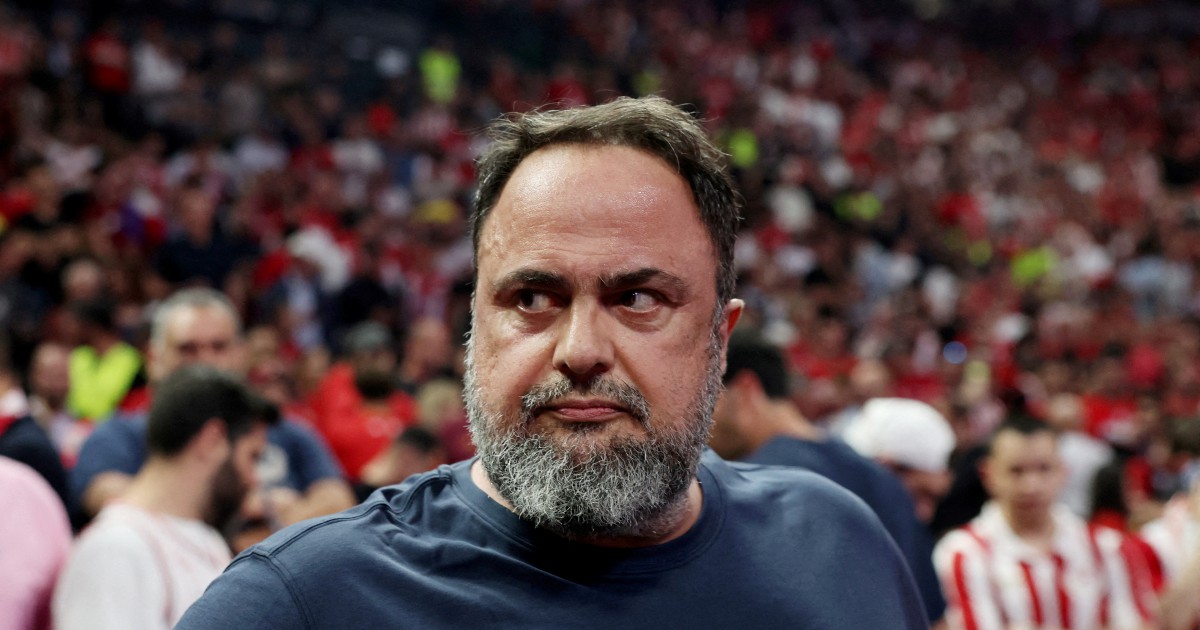
Nottingham Forest owner Evangelos Marinakis has commenced legal proceedings against Premier League rival Crystal Palace, filing a libel suit at London's High Court. The Greek businessman's decision to pursue court action centres on a banner that Crystal Palace supporters displayed during a match in the previous season, according to media accounts of the dispute.
The lawsuit marks a significant escalation in what has become an increasingly contentious relationship between the two English football clubs. Such legal confrontations are comparatively rare in English professional football, where disputes between clubs and supporters typically remain confined to internal disciplinary processes or regulatory bodies like the Premier League itself. The decision to pursue a full civil court action suggests that Marinakis views the alleged conduct as sufficiently egregious to warrant formal legal intervention.
Marinakis acquired Nottingham Forest in 2017 and has since invested substantially in the club's infrastructure and player acquisitions. Under his ownership, the East Midlands club has returned to the Premier League following a 23-year absence, representing a significant chapter in the club's modern history. His tenure has been marked by considerable financial commitment to rebuilding the institution, though his leadership has occasionally attracted controversy and scrutiny from media commentators and rival supporters.
The nature of the banner content has not been explicitly detailed in official statements, though media reports suggest it contained material that Marinakis and his legal team considered defamatory in character. Such disputes involving supporter-generated content raise complex questions about the boundaries between legitimate sporting rivalry, freedom of expression, and potential harm to reputation. The case may therefore establish important precedent regarding the legal liability of clubs for the actions of their supporter base.
Crystal Palace, based in south London and competing in the same league division as Nottingham Forest, has not yet issued a comprehensive public response to the legal claim. The club's position regarding supporter conduct and any responsibility it bears for fan behaviour during matches will likely form a central element of the court proceedings. Clubs have historically argued that they cannot be held accountable for spontaneous supporter actions, particularly when such conduct occurs in stadium environments where security and oversight present considerable practical challenges.
The wider context of this dispute reflects broader tensions within English football regarding fan conduct standards and the relationship between clubs and their supporter communities. Recent seasons have witnessed increased scrutiny of offensive material displayed by supporters, with regulatory bodies imposing fines and sanctions on clubs deemed to have failed in their duty to maintain standards of conduct. However, holding individual clubs legally responsible through civil courts remains an uncommon approach in English professional football.
For Malaysian and Southeast Asian readers with an interest in international football governance, this case demonstrates how disputes between wealthy club owners and supporter communities increasingly find resolution through formal legal mechanisms rather than traditional sporting or administrative channels. The outcome could influence how clubs across Europe—and potentially further afield—approach enforcement of behavioural standards among their fan base, with implications for supporter freedoms and club liability.
The London High Court proceedings will require both parties to present evidence regarding the banner's content, any resulting reputational harm to Marinakis, and the degree to which Crystal Palace bore responsibility for the conduct of supporters within its stadium. The case is likely to attract significant media attention given the prominence of both clubs within English football and the relatively novel nature of pursuing libel action over supporter-generated stadium material.
As the case progresses through the English court system, it may prompt broader industry reflection on how to balance legitimate freedom of expression, robust sporting rivalry, and protection of individual reputation. The outcome will almost certainly be monitored closely by other Premier League clubs and owner groups who may face similar disputes with opposing supporter communities in future seasons.

