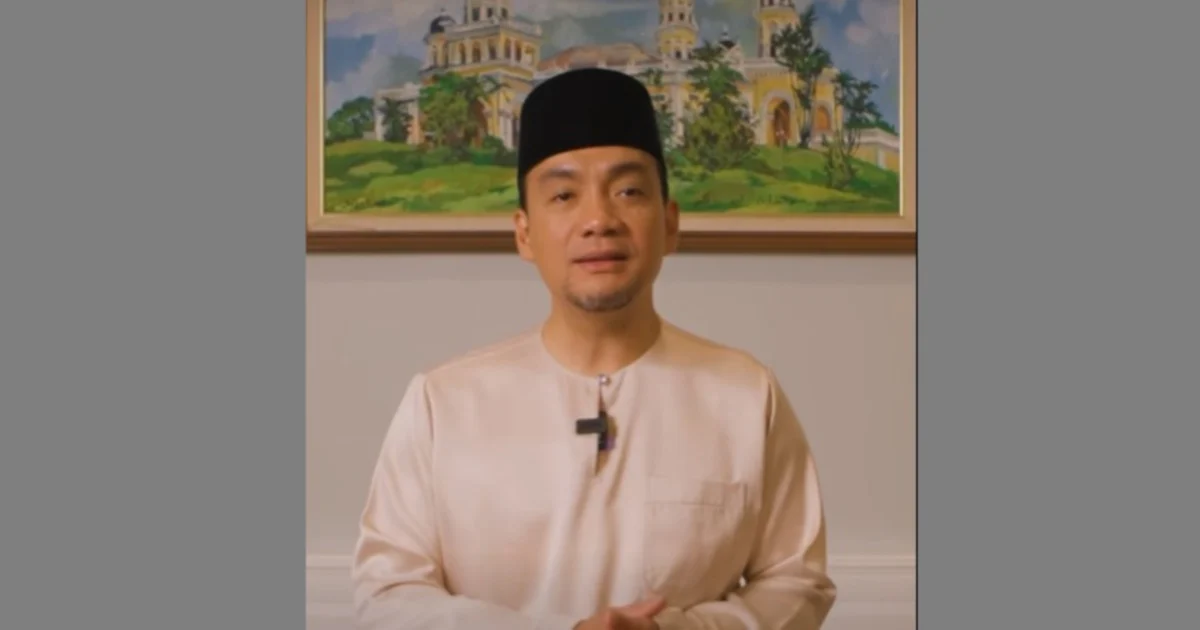
Datuk Onn Hafiz Ghazi, the caretaker Johor menteri besar, has initiated a deliberate campaign to secure backing from the state's security and armed forces personnel for Barisan Nasional in the lead-up to the early voting phase scheduled for July 7. The move represents a strategic effort to mobilise a constituency traditionally viewed as politically aligned with the ruling coalition, signalling the coalition's determination to maintain its dominance in the oil-rich southern state.
The outreach to uniformed personnel reflects established political dynamics in Malaysia, where members of the military, police force, and related security agencies are granted early voting privileges to accommodate their operational schedules. This mechanism has long been recognised as beneficial to incumbent coalitions, given that these workers typically constitute a relatively stable voting bloc. By directly engaging with this group, Onn Hafiz is pursuing a well-tested playbook designed to shore up coalition support during the critical pre-polling phase.
Johor remains pivotal to any federal administration's parliamentary majority, as the state sends a significant delegation to the Dewan Rakyat. The state election will therefore influence the broader political calculus at the national level, making the menteri besar's efforts to mobilise every available voter segment strategically sound. Early voting results, which tend to be announced before the main poll, often set the tone for public perception of the overall contest's trajectory.
Onn Hafiz's tenure as caretaker menteri besar places him in a position to leverage the machinery of the state administration and government resources to support Barisan Nasional's campaign, though electoral rules technically govern such conduct. His direct appeals to security forces underscore confidence in this constituency's receptiveness to coalition messaging, whilst simultaneously demonstrating organisational reach within the security apparatus.
The timing of this push during the early voting window is significant because it allows coalition strategists to gauge preliminary performance and, theoretically, adjust broader campaign messaging accordingly. Security force voters, if they turnout heavily for Barisan Nasional during this phase, can provide the coalition with momentum and favourable media narrative heading into the general polling day.
From a regional perspective, Malaysia's handling of elections and the conduct of all political actors continues to be monitored by international observers and regional neighbours alike. The emphasis on organised outreach to defined voter groups reflects the maturation of electoral mechanics in Southeast Asia, though questions about the appropriateness of state resources in campaign activities remain contentious in Malaysian political discourse.
The security forces themselves represent a cross-section of Malaysian society, encompassing personnel from various ethnic backgrounds and geographic origins. However, they operate under hierarchical command structures that, in practice, may facilitate more cohesive voting patterns compared to the general electorate. This structural reality makes them a valuable target for any major political coalition, and Onn Hafiz's acknowledgment of this dynamic is pragmatic.
Barisan Nasional's need to consolidate support in Johor stems partly from shifting voter sentiment that has tested the coalition's historically dominant position in several states since 2018. Retaining firm control of Johor would reaffirm the coalition's status as the dominant force in Malaysian politics and provide it with a stable state government from which to project influence nationally. Loss of Johor would constitute a significant symbolic and practical setback.
The appeal to security forces also reflects a broader coalition strategy of differentiation, emphasising stability and order under Barisan Nasional compared to alternatives. This messaging resonates particularly with uniformed services, whose institutional interests are often framed as aligned with continuity and established governance structures. Onn Hafiz's campaign thus seeks to reinforce this perception.
Local observers note that while Johor has remained a coalition stronghold, demographic shifts and urban migration patterns have altered the political composition of several constituencies. Early voting among security forces provides a mechanism for the coalition to mobilise a segment less prone to volatility than younger, urban voters. The early voting advantage therefore carries both practical and symbolic weight in the coalition's overall strategy.
The July 7 early voting date represents a compressed campaign window, making targeted outreach essential for any political force seeking to maximise participation among sympathetic groups. Onn Hafiz's direct engagement with this constituency demonstrates awareness of such timing constraints and reflects operational sophistication in election management. The outcome will provide early indicators of voter sentiment before the formal polling day results are declared.

