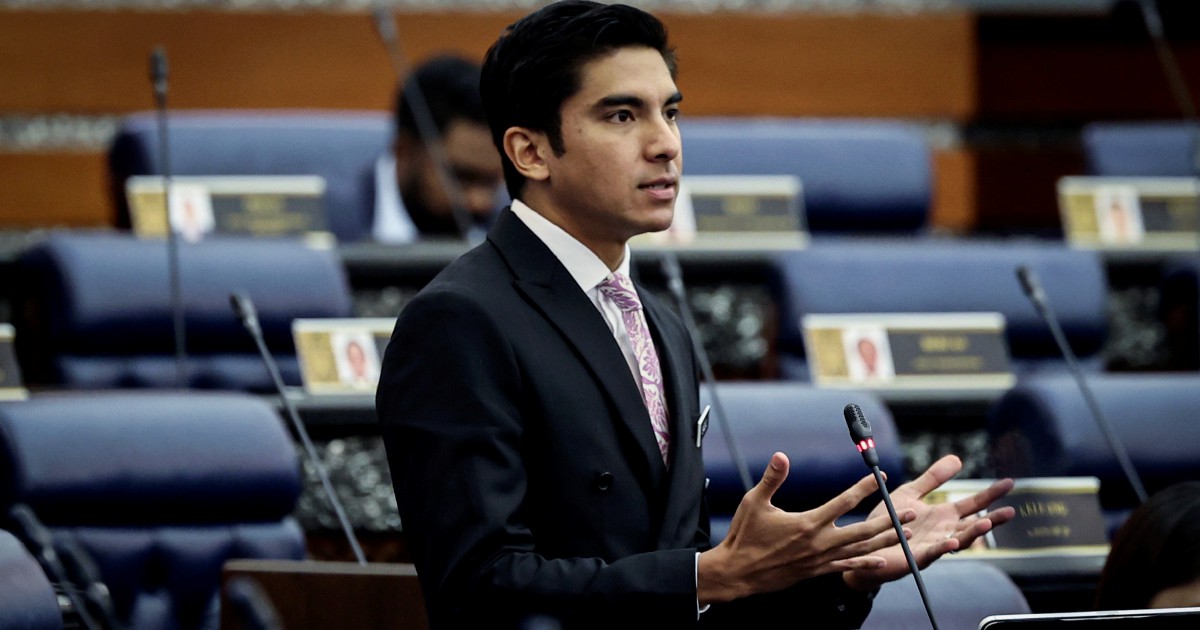
Parliament witnessed a significant moment of tension when Syed Saddiq Syed Abdul Rahman, the Muda representative for Muar, publicly rebuked opposition lawmakers for their decision to boycott the parliamentary session devoted to examining the Tabung Haji Royal Commission of Inquiry report. The confrontation underscores deepening divisions within Malaysia's legislature over how to address one of the nation's most contentious financial matters, affecting a depositor base exceeding 10 million individuals across the country.
The Tabung Haji episode has become a defining issue in Malaysian politics, representing far more than a routine banking controversy. Established as a religious savings institution to facilitate the performance of the Hajj pilgrimage for Malaysian Muslims, the organisation accumulated substantial funds through decades of deposits from working-class savers, civil servants, and retirees nationwide. The revelations emerging from the Royal Commission of Inquiry have touched upon governance failures, investment decisions, and financial management practices that eroded public confidence in an institution previously regarded as trustworthy and secure.
Syed Saddiq's intervention carries particular weight given Muda's positioning as a reform-oriented political force that has attempted to transcend traditional opposition-government binary divisions. His criticism suggests that the boycott represents not merely a political tactic but a substantive abdication of parliamentary responsibility. The question of representation becomes especially acute when examining Tabung Haji, since depositors span the entire political spectrum—they vote for government and opposition candidates alike, hold diverse socioeconomic positions, and depend on institutional integrity regardless of which coalition controls Parliament.
The opposition's decision to absent themselves from deliberations can be interpreted through multiple lenses. Some observers suggest it reflects frustration with parliamentary procedures, perceived bias in committee composition, or disagreement with the terms of reference governing the inquiry itself. Others view it as a strategic political choice to avoid providing legitimacy to processes they consider compromised or inadequately rigorous. Yet from the perspective of individual depositors—many of whom have watched their retirement savings become entangled in financial uncertainty—such procedural disputes offer little comfort.
For Malaysian investors and savers more broadly, the Tabung Haji situation carries implications extending far beyond the institution's specific circumstances. The affair raises questions about the strength of governance frameworks safeguarding citizen deposits in various financial vehicles, whether religious-oriented, government-affiliated, or otherwise. It tests whether parliamentary mechanisms can effectively scrutinise institutional failures when political divisions intensify, and whether legislators from across the spectrum can find common ground on protecting financial security.
Southeast Asian observers have noted similar institutional challenges across the region, where religious savings schemes, government provident funds, and traditional finance structures occasionally encounter governance problems. Malaysia's handling of the Tabung Haji matter therefore potentially sets precedent for how the wider region addresses comparable situations, influencing investor confidence not just domestically but throughout the Association of Southeast Asian Nations economies.
The debate on the Royal Commission of Inquiry report represents a critical juncture in establishing accountability and charting institutional reform pathways. The commission was tasked with investigating historical mismanagement, identifying responsible parties, and recommending corrective measures. Whether parliament engages comprehensively with these findings—or whether crucial deliberations proceed without representation from substantial segments of the legislature—fundamentally affects the legitimacy and inclusiveness of the response.
Syed Saddiq's statement reflects a broader concern within Malaysian politics about whether institutional challenges can be addressed through cross-party cooperation or whether they inevitably become submerged within partisan competition. The Muar MP's position suggests that certain issues—particularly those touching the economic security of millions of ordinary Malaysians—should transcend party affiliation and demand unified legislative attention.
The opposition's absence also raises practical questions about parliamentary effectiveness. When significant legislation or inquiries proceed without comprehensive participation from all major political groupings, the resulting decisions may lack the broad legitimacy necessary for successful implementation. Future reform efforts concerning Tabung Haji would benefit from consensus-building across party lines, something less likely to emerge when opposition voices remain unheard during foundational deliberations.
For Tabung Haji depositors themselves, the political theatrics surrounding parliamentary debate procedures offer minimal reassurance. What matters to these millions of Malaysians is whether institutional reforms will genuinely restore their confidence, protect their funds, and prevent recurrence of the governance failures exposed by the inquiry. The opposition's boycott, whatever its political rationale, represents a missed opportunity to demonstrate parliamentary unity on protecting financial security—a message that depositors across the nation would likely have appreciated receiving.

