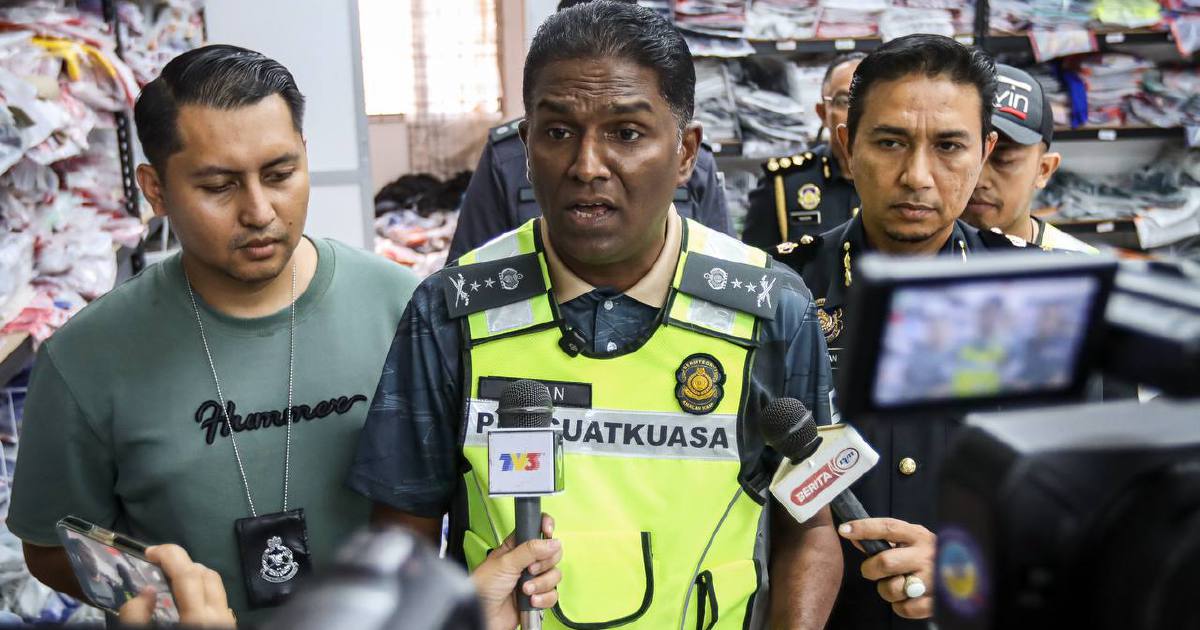
Enforcement teams from the Ministry of Domestic Trade and Cost of Living have shut down a significant counterfeit merchandise operation in Nibong Tebal, seizing 10,190 bogus FIFA World Cup 2026 jerseys in the process. The haul, valued at approximately RM509,500, represents one of the larger busts of sporting merchandise knockoffs in recent months and highlights the persistent challenge of fake goods flooding Malaysian consumer markets ahead of major international sporting events.
The raid was mounted as part of the ministry's ongoing drive to eliminate counterfeit products from circulation. Officials targeted a location suspected of warehousing and distributing unauthorised replicas of official World Cup apparel, a lucrative black market that typically experiences surges in activity when global sporting tournaments approach. The operation was carefully planned and executed to intercept products before they could reach retail networks and unsuspecting consumers.
Counterfeit sports jerseys represent a particularly troublesome category of fake goods because they exploit the genuine enthusiasm of fans whilst simultaneously depriving legitimate retailers and manufacturers of legitimate sales. In Malaysia, where sporting merchandise commands significant consumer spending, especially surrounding events like the FIFA World Cup, the trade in knockoffs has become increasingly sophisticated. Criminal networks have invested in improving production techniques to create replicas that are harder to distinguish from authentic items at first glance.
The timing of this seizure is particularly significant given that the FIFA World Cup 2026 will be hosted across the United States, Canada, and Mexico. As anticipation builds among global football fans, demand for official and unofficial merchandise intensifies sharply. Malaysian consumers, deeply passionate about international football, represent a substantial market for both legitimate and counterfeit jerseys. The scale of this operation suggests that organised groups have already begun stockpiling fake inventory in preparation for heightened purchasing activity during the tournament period.
Beyond the immediate loss of merchandise, counterfeiting operations impose several damaging effects on the broader economy. They undermine legitimate business operations, reduce government tax revenues, and create inferior products that damage consumer trust in branded goods. Furthermore, many counterfeit production facilities operate outside safety and quality standards, meaning customers purchasing fake jerseys may be exposed to substandard materials and potentially harmful dyes or chemicals used in manufacturing.
The Ministry of Domestic Trade and Cost of Living has positioned enforcement against counterfeiting as a strategic priority, recognising that consumer protection and fair competition require constant vigilance. Previous operations have recovered substantial quantities of fake merchandise across categories ranging from apparel to electronics and luxury goods. This particular seizure demonstrates that authorities maintain active intelligence networks capable of identifying distribution hubs and timing interventions effectively.
Local enforcement presents only a partial solution to the counterfeiting problem, however. Much of the raw material and finished fake merchandise originates from overseas manufacturing facilities, particularly in certain Southeast Asian countries where production costs remain minimal and regulatory oversight is weaker. International cooperation through customs authorities and law enforcement partnerships is essential to disrupt supply chains at their source. The Association of Southeast Asian Nations has increasingly recognised counterfeiting as a regional concern requiring coordinated action.
For Malaysian retailers and distributors of legitimate merchandise, operations like today's raid provide some reassurance that authorities are working to level the playing field. However, the very existence of such large caches indicates that enforcement alone cannot eliminate the problem entirely. Consumer education remains equally vital, as many purchasers either knowingly or unknowingly contribute demand for counterfeit goods by accepting suspiciously low prices.
The estimated value of RM509,500 ascribed to the confiscated jerseys reflects retail pricing that counterfeiters would have charged to distributors and retailers. The actual street price to consumers would likely have been substantially discounted compared to official merchandise, creating the price differential that drives counterfeit purchasing behaviour. This pricing advantage persists as long as consumers prioritise cost savings over authenticity and quality assurance.
Authorities have not released detailed information regarding whether arrests were made during the operation or whether the investigation has identified the broader network responsible for importing and distributing these products. The success of enforcement initiatives often depends on tracing seized goods backward through supply chains to identify key organisers and cut off future shipments. Prosecutors will likely pursue cases against anyone arrested in connection with the operation.
Moving forward, the ministry appears committed to intensifying monitoring during the lead-up to the 2026 World Cup. Consumer alerts and public awareness campaigns may accompany enforcement activities, educating fans about identifying authentic merchandise and understanding the consequences of supporting counterfeiting operations. For Malaysian football enthusiasts planning to purchase World Cup merchandise, purchasing from authorised retailers and official outlets remains the surest method of obtaining genuine products whilst supporting legitimate commerce.

