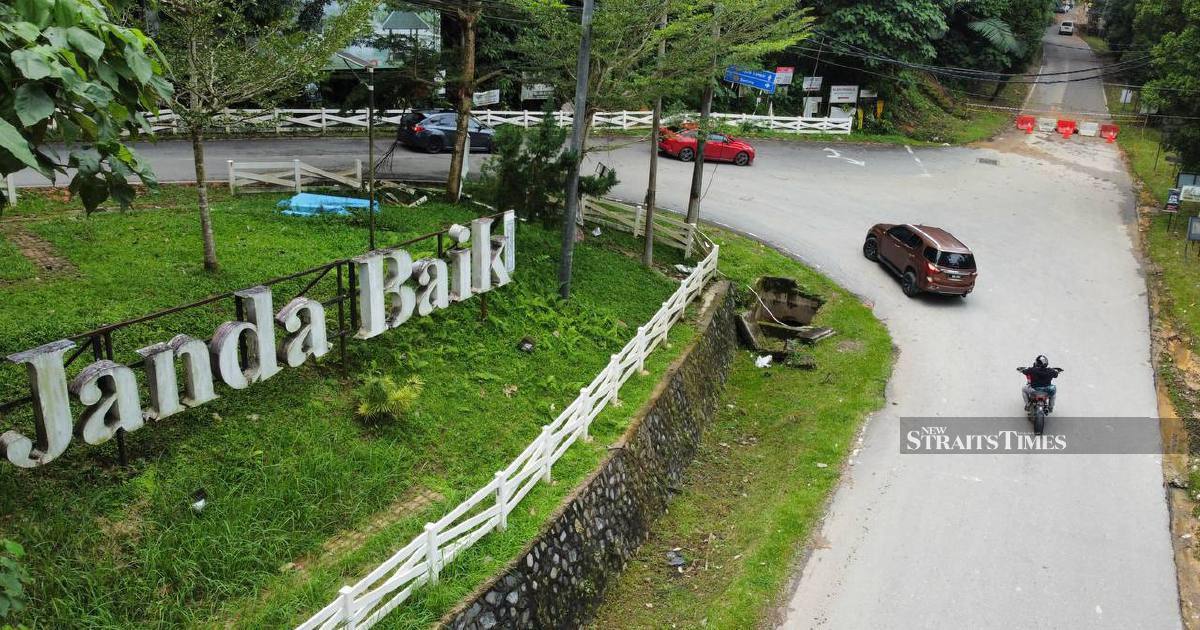
The Pahang Health Department has launched a formal inquiry into reports of multiple visitors falling ill following a visit to a recreational area near Bentong, with allegations pointing to possible food contamination as the source of the outbreak. Officials are examining circumstances surrounding the incident at the riverside attraction in Janda Baik, a scenic destination that draws considerable numbers of tourists and local visitors seeking to escape the heat with outdoor water activities and fresh-air experiences.
The investigation represents a significant public health concern given the number of people reportedly affected and the potential for waterborne or foodborne pathogens to impact larger population groups. Authorities are working to establish the timeline of illnesses, identify common exposures among the affected individuals, and determine whether sanitation standards at food preparation and water facilities met regulatory requirements. This type of outbreak investigation is standard procedure whenever multiple cases of acute illness are reported in connection with a specific venue or event.
Janda Baik has developed a reputation as a popular weekend destination for families and adventurers from across the central region, known for its natural river pools, outdoor activities, and rustic charm. The area hosts numerous food and beverage vendors catering to the steady stream of visitors, making it essential that public health officials scrutinise food handling practices, preparation surfaces, ingredient sourcing, and storage conditions. The recreational appeal of such natural attractions sometimes contrasts with the infrastructural challenges of maintaining food safety standards in environments lacking centralised utilities.
The health department's investigation will likely focus on identifying exactly what pathogens or toxins caused the reported illnesses and whether they stemmed from contaminated food, untreated water, or environmental factors. Investigators typically interview affected individuals to document their symptoms, determine symptom onset times, and identify all food and beverages consumed. This epidemiological approach helps establish attack rates and narrow down the most probable source of the outbreak.
Food poisoning incidents in recreational areas pose particular challenges because visitors often consume food from multiple sources, making source attribution complex. Whether the illness resulted from a single contaminated dish, poor hygiene during food preparation, inadequate temperature control, or something else entirely will shape both the immediate response and longer-term regulatory actions. Authorities may need to issue temporary closure orders for specific food vendors or facilities while investigations proceed.
For Malaysian consumers and travellers, such incidents underscore the importance of exercising caution when purchasing food from informal vendors or areas with limited food safety oversight. The riverside setting and outdoor nature of Janda Baik's food service operations, while appealing to visitors seeking authentic experiences, necessitate particular vigilance regarding basic hygiene—hand washing facilities, clean utensils, protected food storage, and insect prevention measures are particularly critical in outdoor environments exposed to natural conditions.
The Bentong area and Janda Baik specifically have experienced growth in tourism infrastructure over recent years, but that expansion has sometimes outpaced regulatory capacity to ensure consistent compliance with food safety standards across the numerous informal and semi-formal food establishments. This incident may prompt broader conversations about standardising food safety protocols across recreational destinations and ensuring adequate training for food handlers operating in non-traditional commercial settings.
Public health authorities will need to balance protecting public health with minimising unnecessary economic disruption to local vendors and businesses dependent on visitor spending. However, transparency regarding investigation findings and any enforcement actions taken will be crucial for maintaining public confidence in food safety at such destinations. Visitors deserve clear information about which facilities are implicated and what corrective measures are being implemented.
The incident also highlights the importance of basic water safety at natural swimming areas. While the allegations centre on food poisoning, authorities may simultaneously assess whether the river water itself presents any health risks, particularly regarding bacterial contamination, parasites, or chemical pollutants that could affect swimmers. Regular water quality testing at popular recreational sites would help identify problems before widespread illness occurs.
For regional public health officials and tourism authorities, this serves as a reminder that managing safety at popular natural attractions requires coordination between multiple agencies—health departments, environmental agencies, local government, and tourism boards. Educational campaigns encouraging proper food handling and hygiene among vendors, combined with regular inspections and swift action when violations are discovered, represent the most effective approach to preventing similar incidents.
The investigation's outcomes and any subsequent regulatory measures will be watched closely by other recreational areas throughout the region facing similar challenges in balancing visitor experience with safety assurance. Clear communication from the Pahang Health Department regarding findings and preventive measures will be essential for restoring visitor confidence in Janda Baik as a safe destination while supporting local businesses in maintaining appropriate food safety standards.