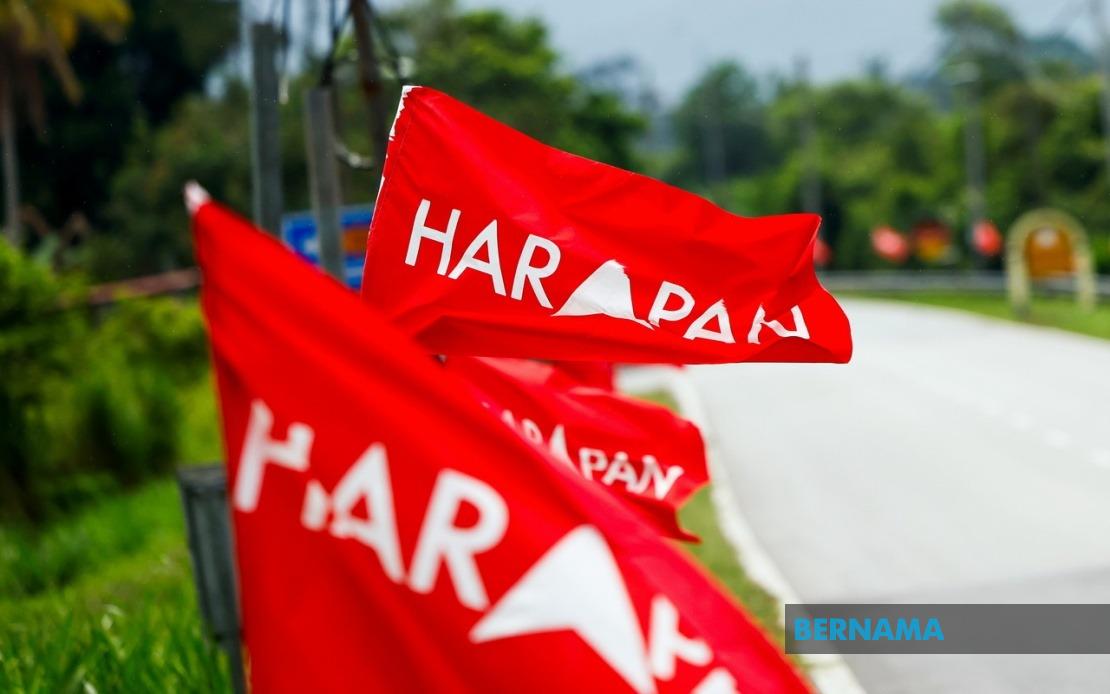
Pakatan Harapan will present its election manifesto for Negeri Sembilan tomorrow evening as the coalition seeks to consolidate its hold on the state ahead of polling day on August 1. The unveiling marks a pivotal moment in the campaign, with the opposition-turned-ruling coalition attempting to make the case that continued governance under its stewardship will deliver further prosperity to residents of the central Malaysian state.
The manifesto has been crafted by the party's senior leadership with an emphasis on demonstrating tangible outcomes from its administration since securing control of the state government in the 2018 general election. Datuk Muhammad Zaki Md Sabri, the operations director for Negeri Sembilan PH, indicated that the document represents a comprehensive blueprint rather than a collection of disparate promises, underpinned by a commitment to sustainable economic and social development across all demographic groups.
While specific policy details remain under wraps pending the formal launch, the overarching narrative centres on portraying PH as a stabilising force capable of building upon achievements already delivered to voters. The emphasis on continuity rather than radical transformation suggests a strategy designed to appeal to voters satisfied with the current trajectory, while simultaneously addressing any concerns about the pace or scope of initiatives undertaken thus far. This approach reflects a broader challenge facing the ruling coalition: demonstrating measurable progress without appearing complacent.
The timing of the manifesto launch coincides with what PH operations describe as the campaign's second day of fieldwork, during which the party reports receiving positive reception from residents at the grassroots level. Muhammad Zaki expressed satisfaction with the logistical efficiency of the campaign machinery and the apparent enthusiasm of PH candidates on the ground, suggesting internal confidence about electoral prospects despite the competitive nature of Malaysian state politics.
The 16th Negeri Sembilan election has drawn nearly 890,000 registered voters to the polls, representing a substantial electorate comprising 867,151 ordinary voters alongside 16,884 military personnel and their spouses and 5,455 police officers eligible to vote early. The registration figures underscore the significance of the contest, as these numbers establish the parameters within which all competing parties must operate and indicate the scale of voter mobilisation efforts required to secure victory.
The Election Commission's timeline has created a compressed campaign period, with early voting scheduled for July 28 and the general poll following three days later on August 1. This compressed schedule requires campaign teams to maximise their outreach and message penetration within a relatively narrow window, intensifying the importance of clarity in manifesto messaging and consistent communication across all platforms and venues. The early voting provision, which accommodates members of the security forces, reflects recognition that not all citizens can participate on the standard polling day.
Pakatan Harapan's appeal for campaign civility represents an implicit acknowledgment of the intensity surrounding Malaysian electoral contests. Muhammad Zaki's call for all participating parties to maintain decorum while avoiding inflammatory rhetoric or contentious references to religion, royalty, and race reflects broader concerns within Malaysian politics about the potential for communal tensions to surface during election cycles. This cautionary note suggests awareness that while campaigns naturally involve robust debate, certain boundaries require observance to preserve social cohesion.
The manifesto launch assumes particular significance given PH's position as the incumbent state administration. Unlike opposition parties that can campaign primarily on promises of alternative governance, the ruling coalition must balance promotional messaging about its own record with acknowledgment that some voters may harbour dissatisfaction with specific policies or implementation gaps. The manifesto therefore serves as both a defence of past performance and a forward-looking document intended to persuade voters that PH merits continued support.
Negeri Sembilan's political importance within Malaysian federalism should not be underestimated. As one of the nation's thirteen states, its election outcome carries ramifications extending beyond the state itself, influencing broader perceptions about voter sentiment and confidence in competing political coalitions. A decisive result either way could influence calculations within the national political establishment regarding potential federal-level developments, making the contest more than merely a local affair.
The manifesto's emphasis on economic and social sustainability reflects an understanding that contemporary voters increasingly demand evidence of tangible benefits and long-term planning rather than merely rhetorical appeals. This evolution in voter expectations reflects higher education levels, greater access to information, and rising living costs that have sharpened public focus on concrete policy outcomes and governmental delivery capacity. Parties that can convincingly articulate how their proposed policies translate into improved living standards, better employment prospects, and enhanced public services maintain stronger electoral positions.
As Negeri Sembilan enters the final fortnight of its campaign period, the manifesto launch will likely set the terms for subsequent debate. Competing coalitions will presumably respond to PH's platform with alternative visions and critiques, establishing the substantive landscape within which voters will make their electoral choices. The manifesto thus functions as more than a campaign document; it establishes benchmarks against which PH's governance record can be measured and provides an explicit statement of priorities that parties contesting the election can either support, critique, or attempt to supersede with their own policy alternatives.

