Pakistan and Iran have entered discussions aimed at breathing new life into the Islamabad-Tehran-Istanbul freight corridor, a crucial overland trade route that promises to reshape commerce and connectivity across South Asia, the Middle East, and beyond. The prospect of restoring this rail service represents a significant step toward regional integration at a time when supply-chain diversification has become a strategic priority for nations seeking alternatives to traditional maritime routes. The corridor, which had functioned successfully before its suspension, carries implications that extend well beyond the three countries directly involved, potentially affecting trade flows to Central Asia, Russia, and Europe.
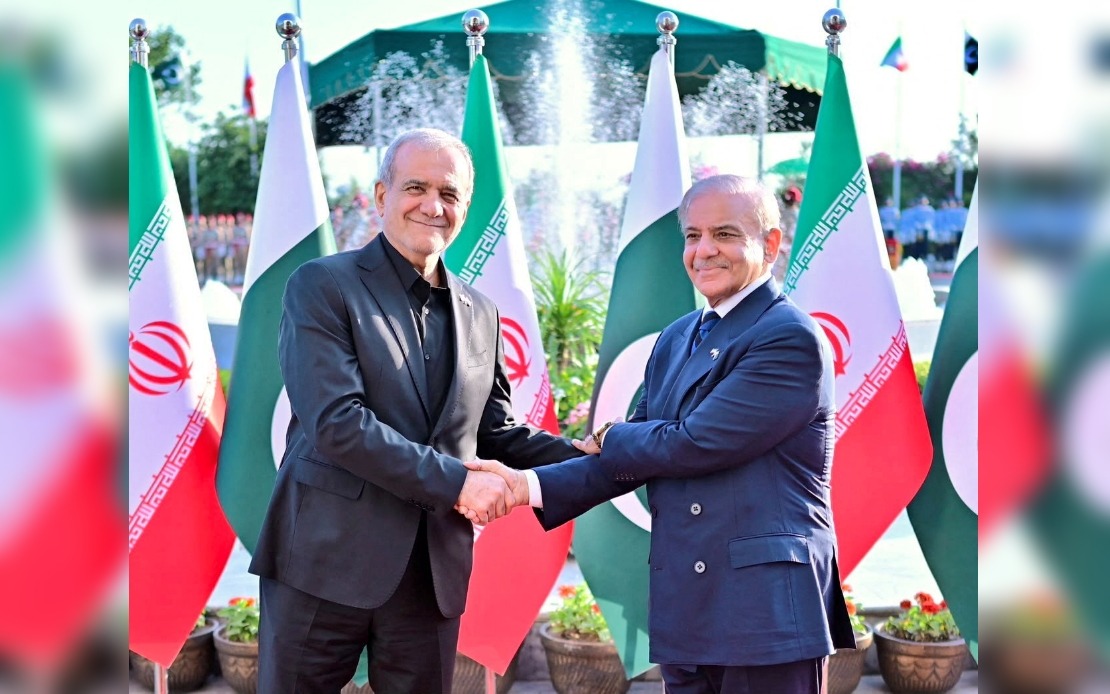
The initiative gained momentum during high-level talks between Pakistan's Railway Minister Muhammad Hanif Abbasi and Iranian Interior Minister Eskandar Momeni, held in Islamabad on Wednesday. The exchange underscored both governments' commitment to leveraging rail infrastructure as a vehicle for economic cooperation and political engagement. Pakistan's government issued a formal statement indicating that both delegations recognised the transformative potential of reviving the corridor, framing the project as essential to deepening bilateral ties while positioning the region more competitively within global trade networks.
Historically, the Islamabad-Tehran-Istanbul service operated as a vital commercial artery, transporting freight across multiple borders and reducing transit times compared to traditional sea routes. The service was reactivated in December 2021 after lying dormant for a decade, suggesting that technical and operational solutions had been identified. However, the initiative proved fragile, succumbing to operational challenges just nine months later in 2022. The exact nature of the difficulties remains complex—officials cited logistical hurdles and coordination issues, though geopolitical tensions and infrastructure deficiencies likely played roles in the suspension.
Reviving this corridor now carries both practical and symbolic weight. For Pakistan, the railway offers a gateway to Iranian ports and onward connections to Turkey and Europe, potentially reducing the country's dependence on transit through congested ports. For Iran, the link provides access to Pakistani markets and, critically, to the Chinese Belt and Road Initiative investments flowing through Pakistan. For Turkey, participation in this corridor strengthens its position as a continental trade hub bridging East and West. The benefits ripple outward to Central Asian republics, which currently face geographic isolation from major maritime routes and depend heavily on land corridors for international commerce.
The modernisation of Pakistan's Main Line-3, the backbone of this connectivity initiative, represents the concrete investment needed to make revival feasible. The railway corridor, spanning Sindh and Balochistan provinces, currently serves as Pakistan's principal rail link with Iran. Officials have committed to commencing work during the current fiscal year, with completion targeted for December 2029. This seven-year timeline reflects the substantial engineering and financial commitments required, though it also raises questions about whether the corridor can become operationally significant before completion of the full upgrade.
Iran has signalled its own commitment by pledging to complete modernisation of the Zahedan–Mirjaveh railway line within approximately one month. This announcement indicates that Iranian officials view the project as sufficiently important to accelerate their infrastructure development. However, Iran's conditional urgency—contingent upon Pakistan accelerating work on the Mirjaveh-to-Taftan standard-gauge rail line in Balochistan—reveals the interconnected nature of cross-border infrastructure. Without simultaneous progress on both sides of the frontier, bottlenecks will inevitably emerge.
The standard-gauge conversion from Mirjaveh to Taftan in Balochistan emerges as a critical bottleneck. Currently, railway gauge mismatches plague regional connectivity, requiring time-consuming cargo transfers at border points. Standardising this section would enable continuous freight movement and dramatically reduce transit costs and delays. Pakistani officials must prioritise this stretch to demonstrate commitment, as Iranian counterparts have explicitly requested its completion. The pressure on Pakistan is substantial; without matching Iranian progress, the entire revival risks stalling again.
For Malaysian readers and Southeast Asian observers, this development carries strategic implications worth noting. The revival of land corridors between Asia's eastern and western regions suggests that multimodal connectivity—combining rail, road, and maritime routes—will increasingly characterise twenty-first-century trade. Malaysia, as a maritime hub and Belt and Road Initiative participant, could benefit from understanding these overland alternatives, particularly as supply chains seek resilience through diversification. The success or failure of the Islamabad-Tehran-Istanbul corridor will influence investment decisions across the region.
The geopolitical context cannot be ignored. Pakistan-Iran cooperation on infrastructure development contrasts with regional tensions and suggests that pragmatic economic interests can override political differences, at least in specific sectors. Both nations recognise that enhanced trade flows generate revenue, employment, and political leverage. Moreover, successful completion of this project would enhance Pakistan's position as a continental crossroads and Iran's integration into Asian trade networks, circumstances that neighbouring countries will monitor closely.
Challenges remain substantial. Security concerns in Balochistan have historically complicated infrastructure projects, requiring enhanced protection and increasing costs. Financing the upgrades demands sustained commitment from both governments, particularly given economic pressures each faces. Coordination across borders requires institutional capacity and trust that previous suspensions suggest has sometimes been fragile. Pakistan must balance investment in this corridor with competing infrastructure priorities, including upgrades to ports and roads.
Looking forward, the success of the Islamabad-Tehran-Istanbul revival depends critically on whether both nations can maintain political will through the completion cycle. The December 2029 deadline represents a significant commitment, implying that decision-makers in both capitals have internalised the long-term benefits of this connectivity. Should the corridor eventually become operational at full capacity, it would represent a substantial achievement in regional integration—one that could reshape trade patterns and demonstrate that South Asian and Middle Eastern nations can collaborate effectively on transformative infrastructure. For now, the discussions represent a promising but not yet certain step toward that outcome.

