Pakistan and Syria have signalled their intent to substantially strengthen bilateral engagement across political, economic and security dimensions, marking a significant recalibration in their diplomatic relationship. The initiative came into focus during Syrian Foreign Minister Asaad Hassan Al Shaibani's recent visit to Islamabad, a milestone encounter representing the first such high-level Syrian diplomatic mission to Pakistan in approximately two decades. The visit underscores both nations' recognition that their historically rooted partnership requires active revitalisation to remain relevant in an evolving geopolitical landscape.
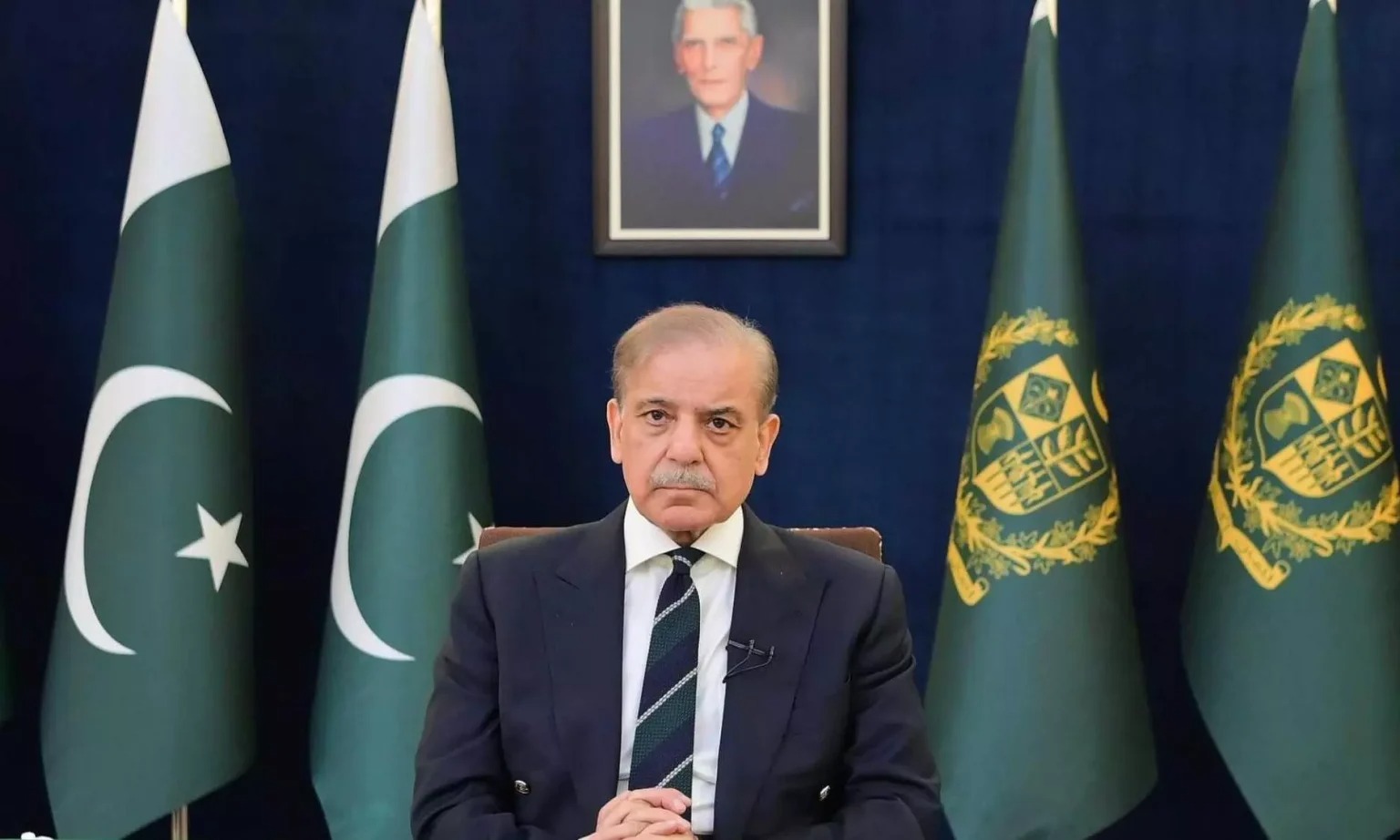
During his time in the Pakistani capital, Shaibani held substantive discussions with Prime Minister Shehbaz Sharif, Pakistan Deputy Prime Minister and Foreign Minister Ishaq Dar, and Commerce Minister Jam Kamal Khan. These consultations revealed a comprehensive agenda extending well beyond ceremonial courtesy. Prime Minister Sharif articulated Pakistan's commitment to Syria's sovereignty and territorial integrity, explicitly reaffirming Islamabad's principled stance on the Golan Heights—a position that reflects both nations' alignment on Middle Eastern geopolitical issues. The prime minister's emphasis on translating historical ties into concrete cooperation signalled movement beyond rhetorical expressions of friendship toward tangible institutional arrangements.
The scope of proposed collaboration spans an impressively broad spectrum of sectors that reflects contemporary development priorities. Beyond traditional defence cooperation, the two countries identified specific opportunities in trade facilitation, investment promotion, human resource development and educational exchange. This diversification is significant because it suggests both nations view their relationship as capable of generating mutual economic benefit rather than remaining confined to security or diplomatic considerations alone. The emphasis on people-to-people linkages indicates recognition that sustainable bilateral relationships require engagement across multiple societal levels, not merely governmental interactions.
A particularly notable proposal involves resuming direct air connectivity between the two countries, a practical measure designed to reduce friction in travel and tourism while strengthening cultural familiarity. This infrastructure initiative carries symbolic weight beyond its immediate logistical utility—it signals confidence in the relationship's trajectory and a willingness to invest in mechanisms that facilitate regular interaction. For Malaysia and other Southeast Asian observers, the emphasis on direct flights as a relationship-building tool reflects a broader pattern whereby economically-oriented connectivity measures often precede or accompany diplomatic advances.
The discussions between Shaibani and Pakistan's Foreign Ministry demonstrated significant convergence on several critical regional issues. Both parties exchanged perspectives on Palestine, the Golan Heights, Afghanistan, South Asian developments and broader West Asian trajectories. This conversational spectrum reveals that Pakistan and Syria see value in coordinating positions on matters affecting their respective regions and the Islamic world more broadly. Notably, the Syrian minister's commendation of Pakistan's efforts toward de-escalation in the US-Iran context suggests he perceives Islamabad as a constructive player capable of navigating complex regional power dynamics—a positioning that enhances Pakistan's diplomatic standing.
Syria's welcome of Pakistan's Makkah Joint Defence Agreement represents an endorsement of Pakistan's recent diplomatic initiatives and suggests Syrian willingness to align with Pakistan's evolving security architecture. This validation carries weight within Middle Eastern diplomatic circles and indicates Syria views Pakistan's regional engagement strategies as compatible with its own interests. For regional observers, Syria's supportive positioning toward Pakistani initiatives signals both countries' mutual interest in frameworks promoting stability across the Muslim world, particularly against a backdrop of persistent tensions in the Middle East.
On the economic front, discussions between Commerce Minister Jam Kamal Khan and Shaibani focused particularly on trade and investment expansion alongside Syria's substantial infrastructure and reconstruction requirements. Khan's interest in deepening private sector interaction between the two nations indicates recognition that state-level engagement must be accompanied by commercial dynamism to produce lasting economic dividends. Syria's reconstruction needs present concrete opportunities for Pakistani businesses across construction, engineering, manufacturing and service sectors, potentially generating revenue streams while strengthening bilateral economic interdependence.
Shaibani's proposal to establish a joint business council emerged as a particularly significant outcome, providing an institutional mechanism for sustained commercial dialogue outside traditional diplomatic channels. Such councils typically prove effective in identifying specific investment opportunities, harmonising regulatory environments, and building networks among private sector actors who can operate with greater flexibility than government actors. For Pakistani companies seeking opportunities in the Middle Eastern market, and Syrian entities requiring external capital and expertise for reconstruction, such a council could facilitate matches that benefit both economies.
The timing of this diplomatic initiative merits consideration within broader regional context. Syria's gradual reintegration into Arab League structures and normalisation of diplomatic relationships across the region creates openings for countries like Pakistan to deepen engagement. Simultaneously, Pakistan's efforts to diversify its strategic partnerships and enhance economic ties align naturally with Syria's interest in expanding its own external relationships. For Southeast Asian nations assessing regional power dynamics, Pakistan-Syria cooperation demonstrates how countries navigate post-conflict rehabilitation through strategic partnership cultivation.
The emphasis throughout these discussions on both historical ties and forward-looking cooperation represents a deliberate diplomatic framing that acknowledges past relationships while creating space for contemporary recalibration. This approach sidesteps potential awkwardness regarding periods when engagement may have been limited or complicated, instead positioning the relationship as inherently continuous despite fluctuations in intensity. Such rhetorical strategies often precede substantive relationship transformation, suggesting these initial talks may constitute the foundation for more comprehensive institutional collaboration.
For Malaysia's perspective on Asian geopolitics and inter-regional partnerships, Pakistan-Syria engagement offers insights into how countries with shared civilisational values and strategic interests can coordinate positions on global issues. Both nations emphasise Islamic principles in their foreign policy frameworks while simultaneously pursuing pragmatic economic and security objectives. The balance they strike between ideological alignment and practical cooperation mirrors challenges that Malaysian policymakers navigate in calibrating Malaysia's own regional engagement strategies.
Moving forward, the concrete measures to emerge from this diplomatic engagement—whether direct flights materialise, the business council becomes operationally effective, or trade volumes increase measurably—will determine whether this visit represents genuine relationship recalibration or merely ceremonial renewal. The involvement of commerce-focused officials alongside traditional diplomatic actors suggests serious intent toward economic cooperation, yet implementation barriers regarding currency convertibility, political stability and regulatory harmonisation remain substantial. Southeast Asian observers should monitor whether this diplomatic opening translates into visible economic activity, as such outcomes often signal broader regional shifts in partnership patterns.

