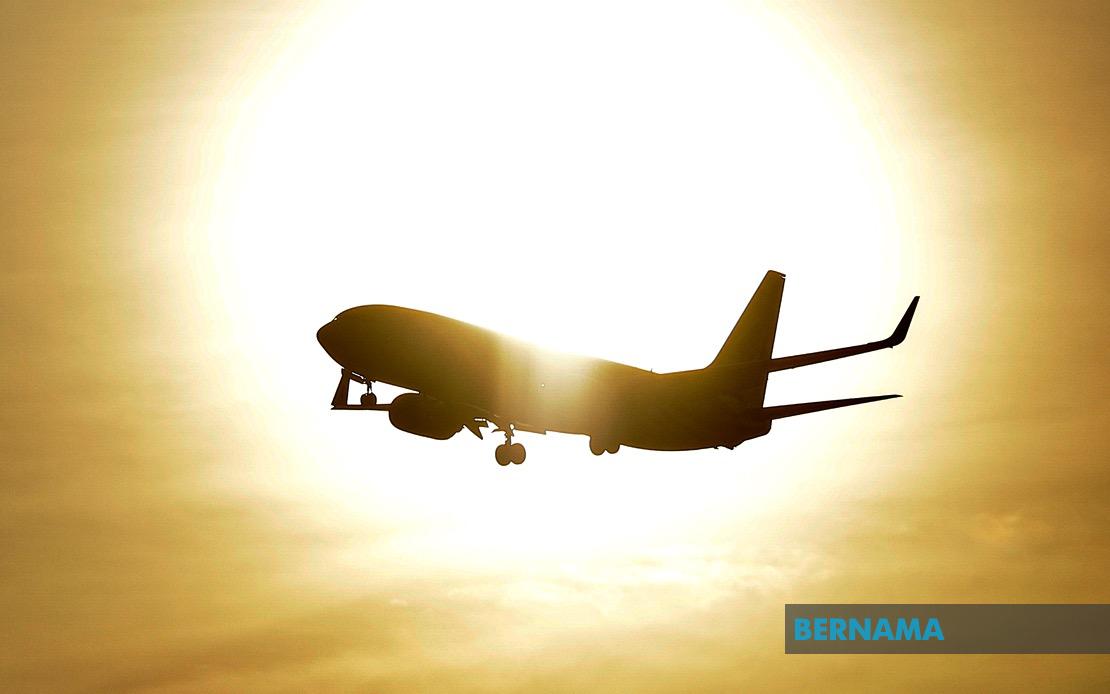
Pakistan has mobilised a comprehensive search and rescue operation in the Arabian Sea following the disappearance of a K2 Airways cargo aircraft carrying five crew members on Tuesday night. The Boeing 737 freighter, operated by the Karachi-based carrier, lost radio contact with aviation authorities 155 nautical miles west of Karachi city after experiencing navigational system failures during a flight from Sharjah in the United Arab Emirates.
The Pakistan Airports Authority confirmed that air traffic controllers at Karachi received a distress communication from the pilot at 9.18 pm local time indicating problems with the aircraft's navigational equipment. Rather than an immediate emergency declaration, the situation deteriorated rapidly when controllers observed the plane descending abnormally on radar three minutes after the initial report. The aircraft subsequently vanished from radar coverage over the Arabian Sea, prompting immediate activation of multiple search and rescue protocols across Pakistan's maritime and aviation agencies.
The scale of the response reflects the gravity of the situation and standard international procedures for missing aircraft incidents. Pakistan's Navy has deployed the frigate PNS Zulfiqar to the suspected search area, while Air Force assets including Saab surveillance aircraft are conducting aerial reconnaissance missions. Beyond military resources, the Pakistan National Shipping Corporation has committed its merchant vessel Lahore to assist ground teams in locating debris or wreckage in the ocean.
For Malaysia and the broader Southeast Asian aviation community, incidents of this nature underscore the critical importance of maintaining rigorous safety protocols and navigation system redundancy in cargo operations. Although K2 Airways operates primarily within South Asian routes, regional carriers utilising similar aircraft types and flight corridors must ensure comprehensive technical maintenance and crew training standards. The reported navigational system malfunction represents precisely the kind of technical failure that modern aircraft design seeks to mitigate through multiple backup systems and fail-safe procedures.
The circumstances surrounding this disappearance bear operational similarities to previous cargo aircraft incidents across Asia. Unlike passenger flights, cargo operations frequently operate during night hours and may encounter different regulatory scrutiny regarding crew fatigue management and technical dispatch requirements. The initial system problem reported by the crew, combined with the rapid descent pattern, suggests either cascading technical failures or potentially challenging weather conditions in the Arabian Sea region during the incident timeframe.
Coordination between Pakistani aviation authorities and regional neighbours remains essential during such incidents, particularly given that the aircraft was conducting international commerce between the UAE and Pakistan. Search operations over international waters require careful delineation of responsibility and cooperation with neighbouring maritime authorities, though the location near Karachi suggests Pakistani authorities maintain primary jurisdiction over the initial investigation phase.
The five crew members aboard the aircraft remain unaccounted for, making this operation as much a humanitarian endeavour as an aviation safety investigation. Pakistani authorities have not released detailed information regarding crew identities or nationalities, though cargo operations frequently employ multinational aviation professionals. The extended search window following radar loss increases the complexity of locating aircraft in open ocean conditions, where debris dispersal patterns and sea currents significantly impact recovery prospects.
For Malaysia's aviation sector and regional carriers, this incident reinforces the necessity for comprehensive pre-flight weather assessment and real-time communication protocols. The Arabian Sea presents particular meteorological challenges during certain seasons, and navigation system failures compounded by adverse conditions create compounding hazards. Regulatory bodies across Southeast Asia should review whether current maintenance intervals and technical dispatch standards adequately address the failure modes that may have affected this aircraft.
The investigation that will inevitably follow this incident holds significance beyond Pakistan's borders. The International Civil Aviation Organization typically coordinates with national authorities to establish probable cause and recommend corrective measures when international aviation incidents occur. Given that K2 Airways operates cargo routes connecting the Gulf region with South Asia, patterns identified through this investigation may influence operational procedures across multiple jurisdictions and carrier networks.
As search efforts continue, the focus remains on locating the aircraft and determining the precise sequence of events leading to the loss of radio contact and radar tracking. The technical data recorded on the aircraft's systems, should they be recovered, will provide crucial insights into the progression of failures. Until that evidence becomes available, speculation regarding causes remains premature, though system redundancy and crew response protocols will undoubtedly feature prominently in eventual safety recommendations.
For regional aviation authorities and operators, this incident serves as a timely reminder that cargo operations demand equivalent safety oversight and procedural discipline as passenger services. While financial pressures in the freight sector sometimes create competing priorities, the five crew members aboard this aircraft represent the human cost when safety protocols falter. Malaysian and other regional operators must ensure that cost considerations never compromise the technical excellence and operational discipline upon which modern aviation safety depends.

