The Malaysian Association of Employment Agencies (PAPA) has unveiled an insurance programme designed to bridge significant protection gaps affecting both employers and domestic workers in Malaysia's household employment sector. Launched in collaboration with GMAT Sdn Bhd and Allianz Malaysia, the initiative responds to structural vulnerabilities that have long characterised the domestic worker employment relationship, where financial exposure and medical uncertainties have created friction between hiring parties and service providers.
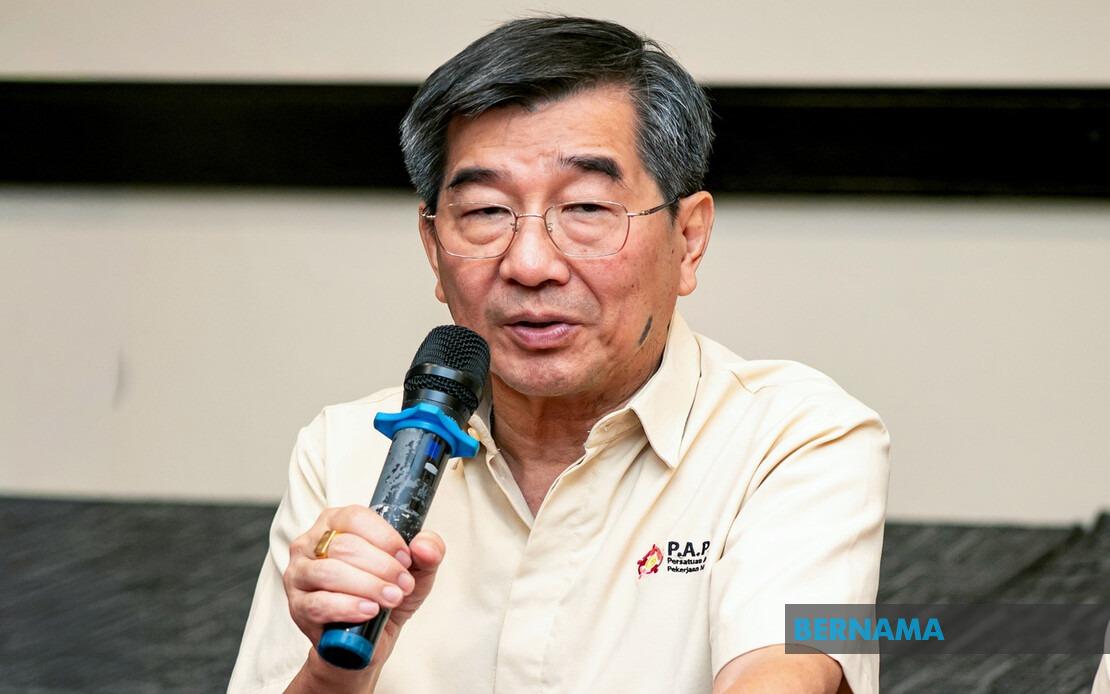
According to PAPA president Datuk Foo Yong Hooi, the new policy addresses a critical weakness in conventional recruitment arrangements. Most domestic worker employment contracts include guarantee periods spanning three to six months, during which employers retain some recourse if problems arise. Once these initial months expire, employers lose virtually all financial protection against common workplace disruptions. This structural vulnerability has motivated the industry association to develop a more comprehensive insurance framework that extends protective coverage across both immediate operational risks and longer-term health contingencies.
The scheme's core offering provides employers with RM5,000 compensation should a domestic worker abscond during the insured period. This benefit specifically targets the first year of employment, when statistical evidence suggests disruption risks run highest. The compensation amount seeks to defray the substantial recruitment and placement expenses that employers must incur when replacing departed workers, including agency fees, administrative processing, and time invested in onboarding replacement staff. Notably, from the second year onwards, while the abscondment protection lapses, complementary benefits including personal accident coverage and hospitalisation insurance remain active, ensuring continued protection against other employment-related contingencies.
Healthcare protections represent an equally significant dimension of the programme's value proposition. The policy extends hospitalisation and surgical coverage to domestic workers themselves, encompassing general medical illnesses rather than restricting protection to workplace-related injuries alone. Workers who receive medical certification of unfitness for duty can access weekly compensation for up to twelve weeks, providing essential income support during recovery periods when they cannot perform their duties. Additionally, the scheme includes limited financial assistance for workers who lose critical documents such as passports, recognising that such incidents can severely disrupt employment arrangements and create complications for migrant workers especially.
Foo emphasised that this insurance development moves substantially beyond earlier protective schemes that operated in the Malaysian market. A comparable abscondment policy introduced approximately two decades ago ultimately ceased operations due to the emergence of fraudulent claims, demonstrating the challenges inherent in designing abuse-resistant protective mechanisms. The current programme reflects lessons learned from that earlier experience, whilst simultaneously addressing previously uninsured medical contingencies affecting the domestic worker segment. Since domestic workers have historically been classified as informal employees outside the conventional social security framework, they lacked access to comprehensive illness-related medical coverage through standard channels.
The Social Security Organisation (PERKESO), Malaysia's primary workplace injury insurance provider, continues to limit coverage to injuries and illnesses directly arising from employment-related incidents. Workplace accidents constitute only a subset of health risks affecting domestic workers, who remain vulnerable to infections, chronic conditions, pre-existing medical complications, and acute illnesses unrelated to their employment duties. The insurance scheme directly targets this coverage vacuum by offering employers and workers a mechanism to manage unexpected medical expenses that might otherwise create financial hardship or employment disputes. Foo noted that instances where pre-existing medical conditions emerge only after employment begins have historically imposed substantial unexpected costs on employers, sometimes creating tensions and premature employment terminations.
While PAPA has branded the programme initially for its member agencies, the association has deliberately structured the offering to accommodate all Malaysian employers maintaining domestic workers, regardless of their affiliation with the employment agency sector. This inclusive approach reflects recognition that the vast majority of domestic worker placements in Malaysia occur through informal referral networks rather than through licensed agencies, meaning that limiting the scheme to PAPA members alone would exclude the households that arguably face the highest protection gaps and operational vulnerabilities.
The practical accessibility of the insurance programme represents another deliberate design consideration. GMAT Sdn Bhd chief executive officer M. Marimuthu confirmed that employers can purchase policies through online channels, significantly reducing administrative friction compared to traditional insurance acquisition processes. The scheme permits reimbursement of hospitalisation and surgical expenses incurred at private healthcare facilities, subject to specified limits, providing workers with greater flexibility in accessing medical treatment whilst maintaining cost controls for insurers and employers.
For Malaysian policymakers and labour observers, this insurance development signals meaningful progress in formalising the domestic worker employment relationship, a segment that has long remained largely outside conventional regulatory and protective frameworks. By addressing both abscondment risks and medical contingencies, the programme acknowledges that genuine worker protection and employer security interests need not conflict. The scheme's expansion beyond PAPA members suggests industry recognition that sustainable solutions require engaging the entire employer base rather than focusing narrowly on agency-facilitated placements.
The initiative also carries implications for Southeast Asia's broader domestic work sector, where similar protection gaps characterise employment relationships across the region. Malaysia's response through this insurance mechanism may influence how other countries approach the challenge of extending meaningful protection to workers in informal household employment whilst maintaining arrangements that employers find commercially viable. The programme's design—combining first-year abscondment protection with longer-term health coverage—offers a pragmatic model for balancing competing stakeholder interests in a notoriously difficult employment relationship to regulate formally.
Implementation and uptake rates will ultimately determine whether the initiative achieves its stated objectives of reducing financial instability and employment disputes in the domestic worker sector. The availability of online purchasing channels and the explicit opening of the scheme to non-PAPA employers suggest genuine intent to achieve substantial market penetration. However, awareness-building among the dispersed employer population will likely prove essential, as many Malaysian households remain unfamiliar with formal insurance options applicable to their domestic arrangements. The success of this initiative may ultimately hinge as much on effective promotion and education as on the underlying policy design itself.

