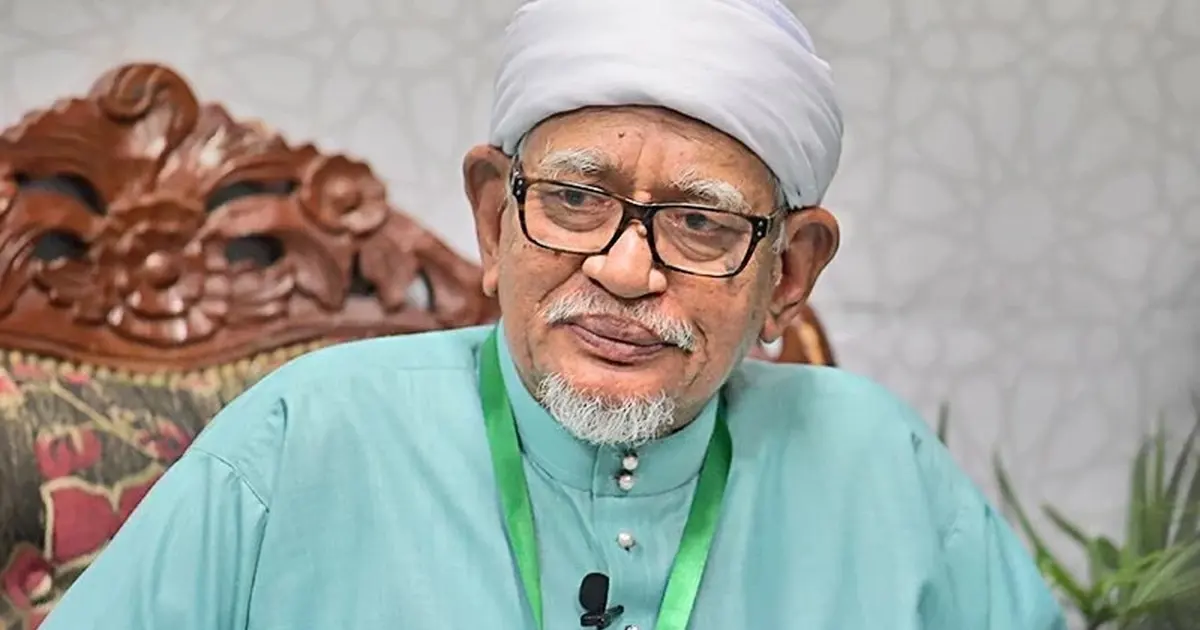
PAS president Hadi Awang has indicated that discussions between his party and Barisan Nasional over the distribution of parliamentary seats in Melaka remain active, with negotiations factoring in the coalition's inability to secure any parliamentary representation in the state during the 2023 general election. The comments underscore the delicate political calculations at play as both blocs attempt to forge a stronger united front in the state ahead of future electoral contests.
The electoral dynamics in Melaka have shifted considerably since the fifteenth general election, when BN failed to convert any of its state representation into parliamentary success. This outcome stands in sharp contrast to the coalition's traditional dominance in the state and has prompted both parties to reassess their strategic positioning. The fact that BN drew a blank in parliamentary contests despite maintaining state assembly presence illustrates the complex interplay between state and federal-level political preferences among Melaka voters.
Negotiations of this nature typically involve intricate discussions about seat allocation, campaign resource distribution, and candidate selection. For PAS, which has grown substantially in electoral influence particularly in peninsular Malaysia, the Melaka discussions represent an opportunity to consolidate power in a strategically important state. The party's approach suggests it recognises the political capital it holds and is leveraging that position in talks with the more traditionally established BN component parties.
Barisan Nasional's poor performance in Melaka during GE15 was particularly significant given the coalition's historical stronghold in the state. This result forced internal reflection within the BN structure and prompted questions about whether the coalition's organisational machinery and messaging had adequately resonated with voters. The subsequent negotiations with PAS reflect a pragmatic acknowledgment that changing electoral behaviour requires strategic adaptation and potentially new political alignments.
The broader context for these discussions extends beyond simple seat-sharing arithmetic. Melaka has emerged as a competitive political battleground where various coalitions vie for dominance at both state and parliamentary levels. The state's electoral significance is amplified by its compact size yet strategic geographic location along the western corridor, making it a bellwether for larger political trends affecting the region.
For Malaysian observers, these negotiations illustrate how coalition politics continues to evolve post-GE15. The conversation between PAS and BN reflects the recalibration of the political landscape following the general election, which saw significant shifts in voter preferences and coalition composition. Rather than accepting a static arrangement, both parties recognise that electoral success now demands flexibility and willingness to renegotiate traditional power-sharing formulas.
Hadi's statement that negotiations take into account BN's electoral performance signals that PAS is approaching discussions from a position of relative strength. The party's logic is straightforward: if BN cannot deliver parliamentary representation despite state-level presence, then seat allocation should reflect this disparity. This framework implicitly suggests that electoral viability and voter appeal will be key metrics in determining final seat distributions.
The implications for smaller BN component parties are potentially substantial. Should negotiations proceed toward allocating more seats to PAS in Melaka, this could effectively sideline some traditional BN parties from parliamentary representation in the state. This dynamic has created internal pressures within BN to present a united front while simultaneously protecting individual parties' interests, a balancing act that has grown increasingly difficult in contemporary Malaysian politics.
For the opposition, particularly Pakatan Harapan, these ongoing negotiations between PAS and BN represent both opportunity and threat. While BN-PAS coordination in Melaka could strengthen one political bloc, it also demonstrates the volatility of coalition arrangements and the absence of permanent alliances in Malaysian politics. PKR, DAP, and their allies must consider how to effectively contest in a state where the anti-opposition camp appears increasingly consolidated.
From a Southeast Asian perspective, Malaysia's coalition negotiations underscore broader regional trends toward pragmatic rather than ideological political realignment. Parties across the region have increasingly abandoned rigid positions in favour of flexible arrangements designed to maximise electoral advantage. The Melaka discussions between PAS and BN fit this pattern while remaining rooted in local electoral mathematics and historical context.
The timeline for completing these negotiations remains unclear, though both parties have signalled commitment to reaching agreement. The speed at which discussions progress will likely depend on how thoroughly each side has assessed electoral data, identified viable candidates, and calculated their respective negotiating leverage. Premature announcement of terms could prove counterproductive if grassroots organisations feel insufficiently consulted.
Looking ahead, the Melaka seat negotiations could establish precedents for how PAS and BN approach similar discussions in other states where their interests align. Should this particular negotiation succeed in producing a mutually acceptable framework, it could strengthen the broader working relationship between the two parties and potentially facilitate coordination in future electoral contests across Malaysia.

