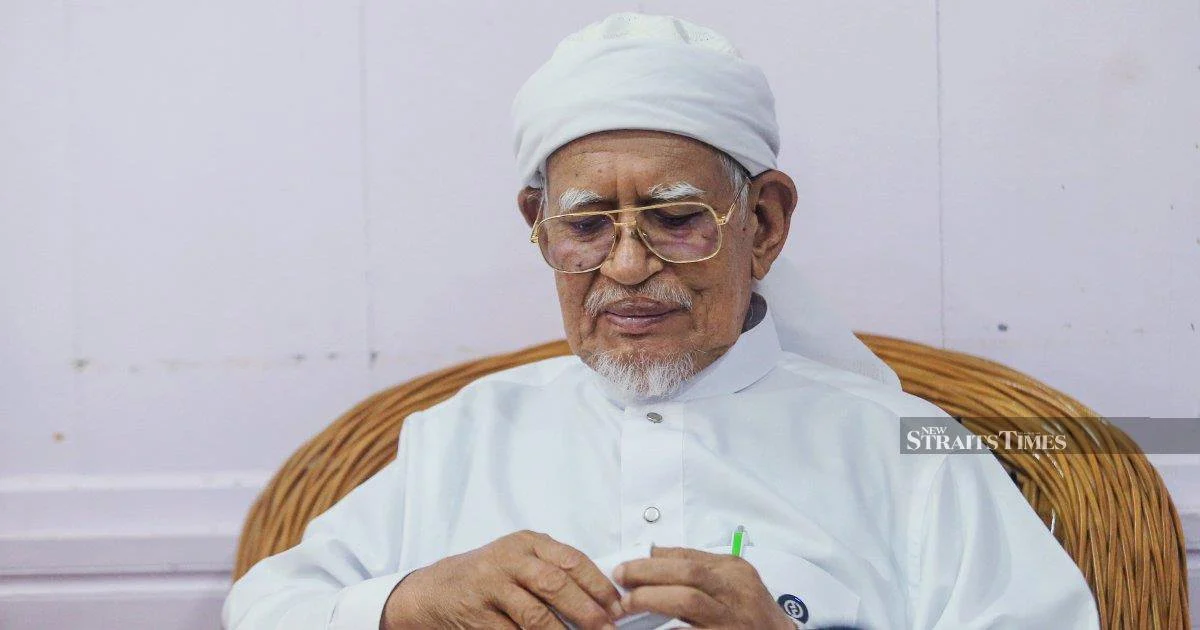
Islamic party PAS has signalled its readiness to extend crucial parliamentary support to Umno in forming a Johor state government, should the Barisan Nasional coalition encounter difficulties in achieving a simple majority during Saturday's state election. The overture, made at a campaign event in Muar, represents a significant positioning by the religious-based party as voting day approaches, underscoring the fluid political dynamics at play in the critical southern state.
The offer carries substantial weight in Malaysian politics, where state administrations frequently depend on cross-coalition support when no single party or alliance commands an outright majority. Johor, as one of the nation's most populous and economically significant states, represents a strategic battleground for any political formation seeking to consolidate power and influence at the federal level. The state's administration directly impacts economic management, land policies, and development initiatives affecting millions of Malaysians and regional commerce.
Barisan Nasional has historically dominated Johor politics, but shifting electoral patterns across Malaysia have introduced uncertainty into what was once considered a stronghold. The suggestion that additional support might be required signals acknowledgement within political circles that the traditional coalition faces potential challenges in translating voter preference into legislative seats. Competition from opposition pacts and independent candidates has fragmented support bases that once appeared monolithic.
PAS's conditional backing reflects broader calculations within the Islamic party's leadership regarding political positioning in the post-2022 period. The party has navigated complex relationships across Malaysia's political spectrum, sometimes cooperating with Umno at state levels while maintaining distinct organisational identities and policy platforms. Such arrangements allow smaller parties to exercise disproportionate influence on governance outcomes and ministerial portfolios without requiring full merger into larger coalitions.
For Umno specifically, securing PAS cooperation would provide insurance against electoral setbacks that might otherwise leave the party without governing mandates. The party's standing has fluctuated in recent years following internal controversies and competition from both Pakatan Harapan and other Malay-based movements. Building alliances with complementary constituencies strengthens Umno's negotiating position within any eventual government formation process.
The Johor election unfolds against a backdrop of national political realignment that has accelerated since 2020. Traditional two-coalition competition has splintered into more complex multi-party contests where kingmakers and coalition partners exercise outsized influence. State-level outcomes increasingly determine federal political calculations, as coalitions attempt to build majorities for potential parliamentary supply arrangements and constitutional amendments.
Johor's particular significance derives from its demographic weight and economic contribution to national GDP. The state government manages substantial revenue streams and controls crucial development sectors including ports, manufacturing, and agriculture. Control of Johor administration provides political actors with resources and visibility that extend well beyond state boundaries, influencing national party positioning and federal resource allocation.
PAS's willingness to provide post-election support, while maintaining formal independence, exemplifies modern Malaysian coalition politics. Rather than formally entering alliances before elections, parties increasingly negotiate arrangements contingent on actual electoral results. This approach allows flexibility in responding to voter preferences whilst preserving negotiating leverage during government formation phases. It also permits parties to campaign without fully merging identities or policy platforms.
The offer also reflects inter-party calculations regarding the opposition Pakatan Harapan coalition's strength in Johor. If opposition parties make significant inroads into Barisan Nasional's traditional support base, then securing external backing becomes more critical for forming functioning administrations. PAS's stated readiness to support Umno effectively narrows opposition prospects should they fall short of majority targets themselves.
For Malaysian voters in Johor, this arrangement raises questions about post-election governance and representation. While coalition flexibility enables stable administration formation, it also means voters may not know their precise governing arrangements until after casting ballots. This disconnect between voting intention and final governance outcomes has become increasingly prominent in Malaysian electoral politics, particularly affecting states with fragmented political competition.
The timing of PAS's statement, made during active campaigning, serves multiple purposes beyond simple policy announcement. It signals to supporters that their votes carry leverage in final government arrangements, whilst reassuring business interests and investors that stable administration will result regardless of immediate election outcomes. Such reassurances matter considerably in economic contexts where uncertainty about governance can affect investment decisions and business confidence.
As Johor voters prepare for Saturday's election, PAS's positioning adds another layer to an already complex political calculation. Observers monitoring Malaysian political developments will scrutinise both election night results and subsequent coalition negotiations carefully. Whether Barisan Nasional's traditional dominance holds or whether additional support proves necessary will carry implications extending well beyond Johor's borders into national political configurations and federal parliamentary dynamics.

