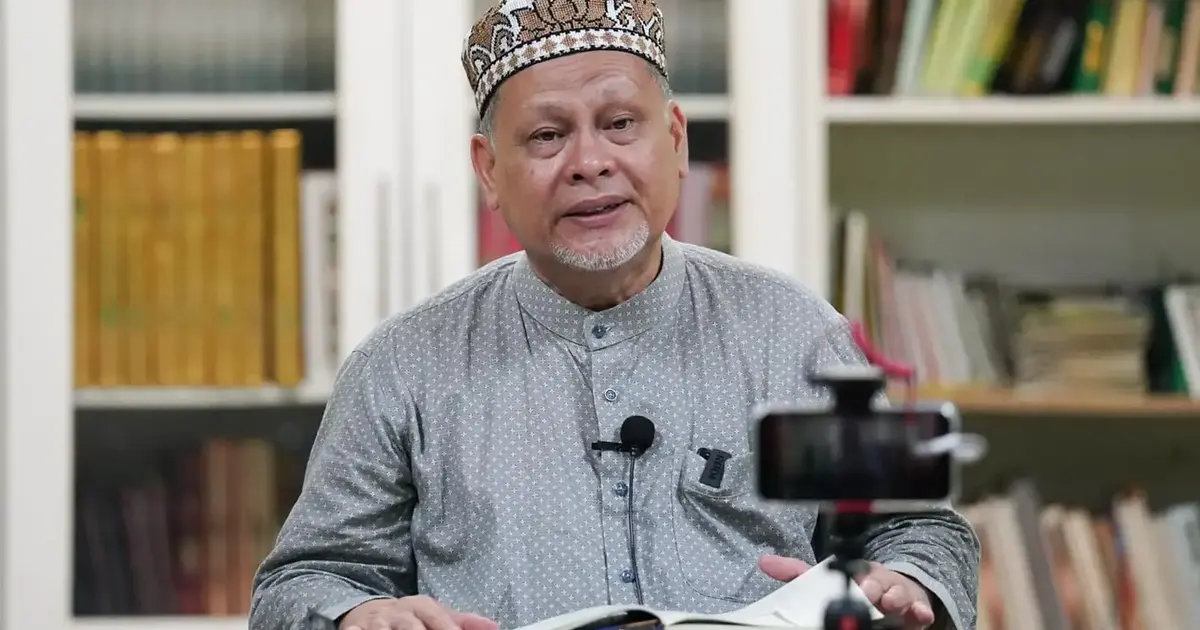
PAS has signalled it will not shy away from electoral competition against fellow Perikatan Nasional component party Bersatu should the two organisations field candidates in overlapping constituencies during the forthcoming Negeri Sembilan state election. The statement, made by PAS vice-president Amar Abdullah, underscores underlying tensions within the opposition coalition regarding seat distribution and electoral strategy in the central peninsular state.
The remarks reflect a pragmatic stance adopted by the Islamic party as coalition partners prepare for what is expected to be a closely contested race. Rather than automatically deferring to Bersatu in disputed seats, PAS appears intent on protecting its organisational interests and electoral viability in constituencies where it maintains grassroots support. This posture represents a departure from the unified front typically projected by Perikatan Nasional in national elections and indicates the coalition's internal mechanics remain fluid at the state level.
Negeri Sembilan holds particular strategic significance within Malaysian politics. The state has historically functioned as a marginal territory contested between major coalitions, making seat allocation decisions critical for both Perikatan Nasional and the ruling Pakatan Harapan-Barisan Nasional combination. A fractured opposition presence resulting from internal competition could inadvertently advantage the incumbent administration by splitting opposition votes across multiple candidates in critical constituencies.
Bersatu's position as the newer entrant to the PN coalition, having defected from Pakatan Harapan in 2020, may complicate seat negotiations. While the party carries the political weight of former Prime Minister Mahathir Mohamad's involvement and holds significant parliamentary representation, its rootedness in various states remains uneven compared to PAS's extensive grassroots networks built over decades. Negeri Sembilan represents an arena where PAS's organisational depth potentially exceeds Bersatu's local capacity, providing justification for the Islamic party's combative rhetoric.
Amar Abdullah's willingness to engage in direct competition suggests PAS leadership believes the party possesses sufficient strength to contest and potentially prevail against Bersatu in selected constituencies. This confidence likely derives from demographic analysis indicating concentrations of PAS support in particular parliamentary and state electoral divisions. The party's recent electoral performance in peninsular states and its consolidation of Malay-Muslim voter backing under the PN banner have presumably strengthened its negotiating position within coalition discussions.
The timing of such statements typically precedes formal seat allocation negotiations within coalition partnerships. By publicly establishing a boundary and indicating PAS will not accept unfavourable seat distributions, party leaders attempt to influence behind-the-scenes bargaining from a position of strength. This tactic frequently occurs when smaller or newer coalition components attempt to secure disproportionate numbers of contests relative to their demonstrated electoral capacity.
For Malaysian voters and observers, the rhetoric carries implications extending beyond seat mathematics. Coalition stability depends on member parties perceiving fair treatment and maintaining sufficient autonomy to satisfy their respective support bases. When component parties openly discuss competing against one another, such statements reveal the fragility underlying supposedly unified electoral partnerships and hint at deeper disagreements regarding strategy, resource allocation, or ideological direction that remain unresolved through formal coalition mechanisms.
Negeri Sembilan's political landscape presents additional complexities. The state government's current composition and the strength of incumbent parties determine how aggressively opposition coalitions must campaign. If Pakatan Harapan-Barisan combinations appear vulnerable, opposition unity becomes more critical and internal competition more damaging. Conversely, if the ruling coalition appears entrenched, component parties within PN might prioritise internal positioning for potential future governing arrangements rather than unified electoral performance.
PAS's electoral strategy across Malaysia has increasingly emphasised direct voter appeals and consolidation of religiously conservative constituencies rather than reliance on coalition support. This shift potentially reduces the party's dependence on harmonious relations with other PN components and allows greater flexibility in pursuing competitive opportunities. The party's strong performance in the 2022 general election, particularly in capturing formerly secure government-held seats, has amplified its confidence and negotiating leverage within opposition circles.
Bersatu's organisational structure and membership composition have remained evolving subjects within Malaysian political commentary. The party operates with substantial financial backing and leadership visibility, yet questions persist regarding depth of ground-level organisation compared to established parties like PAS, UMNO, or the DAP. In competitive state elections requiring extensive constituency-level coordination, organisational capacity becomes paramount, potentially explaining PAS's apparent willingness to contest directly.
The Negeri Sembilan election will ultimately test whether Perikatan Nasional can maintain coalition discipline while allowing constituent parties reasonable flexibility in constituency-specific contests. Earlier Malaysian electoral history demonstrates coalition members frequently accommodate internal competition through informal arrangements, where parties agree to contest specific seats while maintaining broader partnership framework. Whether such arrangements prove sustainable within the PN structure remains uncertain.
Coming weeks will likely reveal whether Amar Abdullah's combative statement represents hardline negotiating tactics aimed at securing advantageous seat allocations or reflects genuine intention to compete against Bersatu. Coalition leadership typically works to resolve such tensions privately before formal announcements, suggesting behind-the-scenes discussions may already address seat distribution concerns. Nevertheless, the public articulation of willingness to contest against fellow coalition members demonstrates the inherent tensions within opposition partnerships and raises questions about coalition longevity and effectiveness heading into the state electoral contest.

