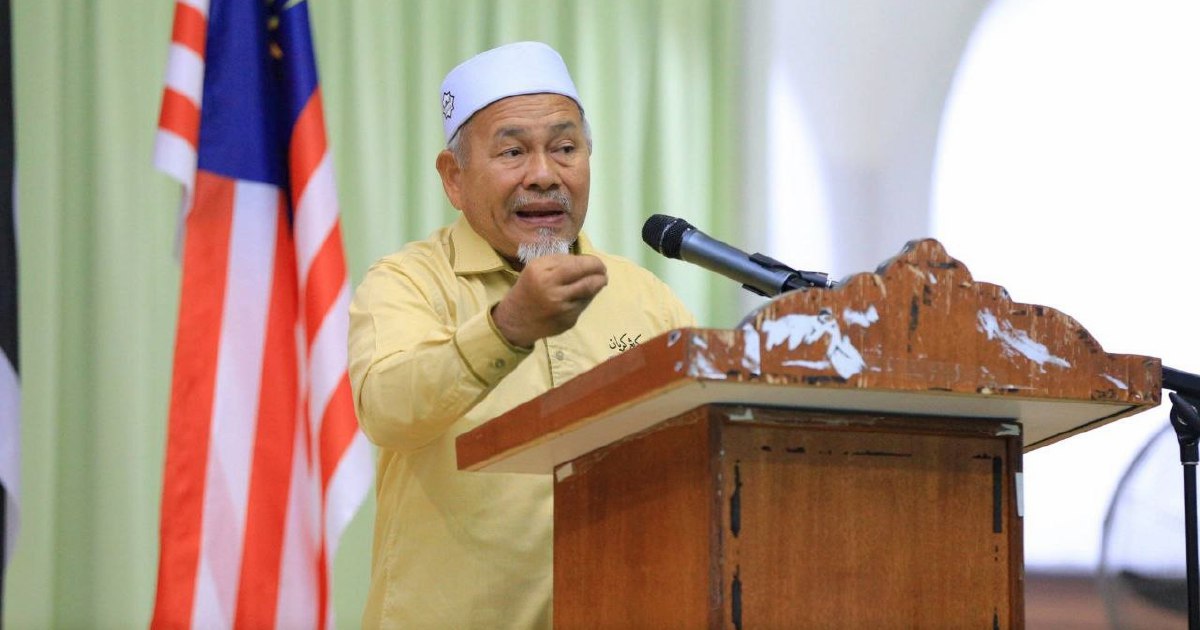
PAS has signalled its readiness to explore seat redistribution arrangements with coalition partner UMNO in forthcoming electoral contests, marking a potential shift in coalition strategy ahead of anticipated polling. Speaking in Temerloh, PAS deputy president Datuk Seri Tuan Ibrahim Tuan Man acknowledged the possibility of exchanging incumbent parliamentary and state assembly constituencies between the two Barisan Nasional partners, though he cautioned that any such arrangements would depend on particular conditions being fulfilled.
The flexibility demonstrated by PAS reflects the pragmatic calculations required to maintain the stability of Malaysia's ruling coalition, which has faced considerable electoral pressure in recent years. Seat-sharing negotiations between coalition partners represent a longstanding feature of Malaysian electoral politics, allowing stronger political machinery in specific constituencies to maximise the likelihood of securing parliamentary or state assembly representation. The potential willingness of PAS to reconsider its current electoral footprint suggests internal discussions about optimising performance in competitive battlegrounds.
For Malaysian observers following coalition dynamics, such arrangements carry considerable significance. The Barisan Nasional framework has historically depended on clear understandings between its constituent parties regarding territorial representation and resource allocation. When individual partners perceive disadvantages in their current seat allocations, tensions can emerge that threaten coalition cohesion. By publicly indicating openness to negotiation, PAS appears to be positioning itself as a constructive partner willing to adapt electoral strategies if compensatory benefits can be secured elsewhere.
The reference to "certain conditions" underscores that PAS is not approaching such negotiations from a position of simple deference. Rather, the party intends to leverage discussions to extract concessions that align with its institutional interests or policy objectives. These conditions might encompass guarantees regarding resource distribution, committee positions within state legislatures or parliament, or policy commitments on issues important to PAS's voter base and party establishment.
Regional political observers note that seat-swapping discussions often intensify when coalitions anticipate challenging electoral environments. Both PAS and UMNO have experienced fluctuating electoral fortunes, with particular constituencies shifting in political alignment as demographic and economic conditions evolve. A strategic reassessment of seat allocation could allow the coalition to concentrate its organisational strength in constituencies where victory margins appeared vulnerable in previous contests, while potentially conceding seats considered more difficult to retain.
The timing of Tuan Ibrahim's remarks is noteworthy, coming during a period when Malaysian political attention remains focused on both state-level and federal developments. Coalition partners typically undertake comprehensive electoral analysis between contests, identifying which constituencies represent realistic targets for gain, which face genuine risk of loss, and which might be traded strategically to strengthen overall outcomes. For PAS, any negotiation would presumably involve securing additional representation in constituencies where party machinery has demonstrated particular electoral strength.
Such arrangements also reflect the complex mathematics of Malaysia's electoral system and the premium placed on constituency-level organisation. Individual political parties often possess disproportionate strength in particular geographic regions based on historical presence, community networks, and demographic alignment. UMNO historically dominated many rural constituencies where PAS has developed competitive organisations, and vice versa. Systematic seat-swapping could theoretically allow each partner to deploy its resources where they are most productive, potentially increasing overall coalition seat totals compared to a scenario where constituencies are contested internally or allocated inefficiently.
From a broader Southeast Asian perspective, Malaysia's coalition-based electoral arrangements contrast with systems in the region where single dominant parties or more fragmented multipolar competitions prevail. The Malaysian approach requires continuous negotiation and maintenance of working relationships between formally allied but occasionally competing partners. That PAS feels comfortable publicly discussing seat flexibility suggests either confidence in its negotiating position or perceived necessity of demonstrating coalition loyalty ahead of elections.
The specific conditions referenced by Tuan Ibrahim remain unspecified, but they likely touch on matters affecting PAS's institutional position, electoral viability in retained constituencies, or policy influence at state and federal levels. Such negotiations frequently involve complex trade-offs where a party might accept a reduction in total seat count in exchange for securing representation in constituencies considered strategically important or demographically favourable for future growth.
For Malaysian voters and political analysts, these negotiations underscore the organised nature of Barisan Nasional strategic planning, even as the coalition manages internal tensions between partners. The willingness to discuss seat redistribution transparently, albeit with carefully protected conditions, reflects the legitimacy accorded to such negotiations within Malaysian political culture. Whether concrete seat-swapping ultimately occurs will depend on whether PAS's conditions and UMNO's negotiating posture converge in coming weeks and months.

