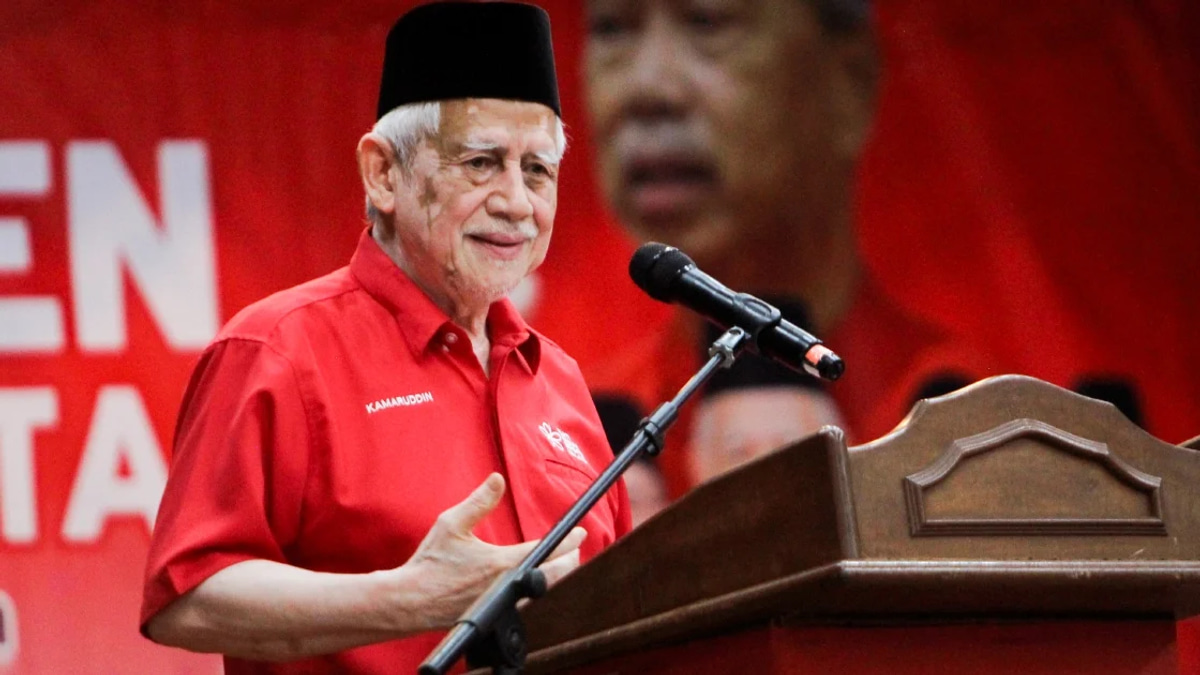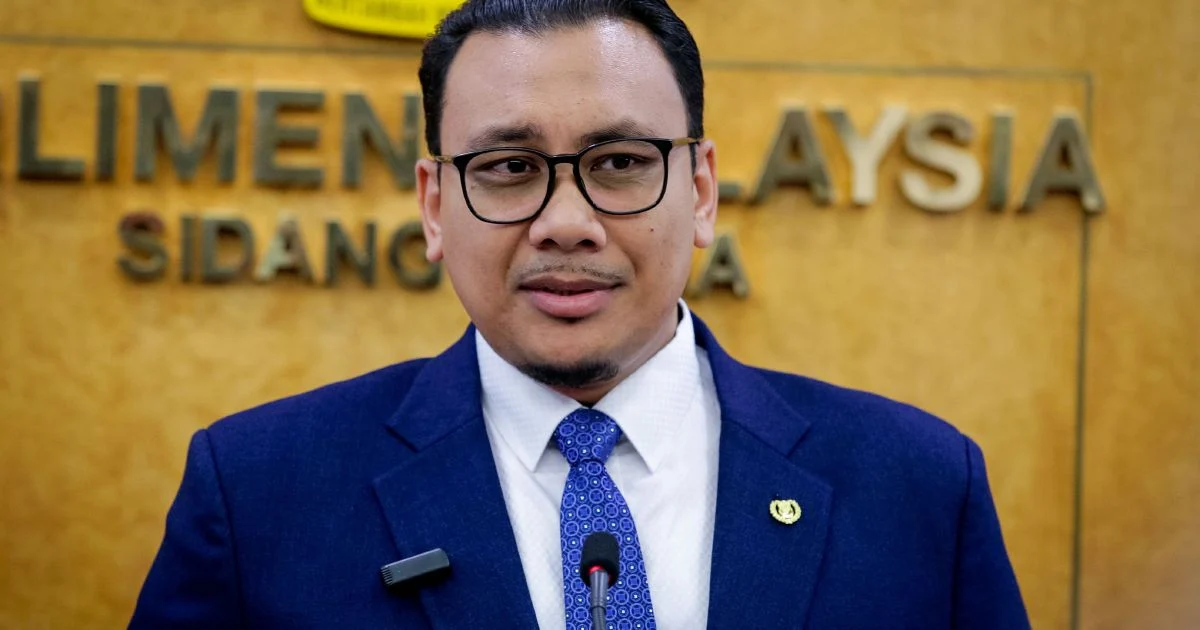
PAS Youth chief Afnan Hamimi Taib Azamudden has decided to escalate his response to an online post that he claims demeaned his father and family members. The young politician has instructed his lawyers to move forward with formal legal proceedings stemming from the disputed Facebook post, which he attributes to someone affiliated with the Bersatu party.
The incident highlights the ongoing tensions within Malaysia's political landscape, where personal attacks and inflammatory rhetoric increasingly spill across digital platforms. Social media has become a contentious battlefield for Malaysian politicians, with relatively few facing serious legal consequences for inflammatory posts. This case may signal a willingness among younger party leaders to push back more aggressively against character assassination and family-targeted attacks, a departure from the more measured responses sometimes seen in traditional politics.
The decision to pursue legal remedies represents a notable stance by Afnan Hamimi, who leads the youth wing of PAS, one of Malaysia's most influential conservative Islamic parties. The move underscores how sensitive political figures remain about their family reputations, particularly when criticisms venture into personal territory rather than sticking to policy disagreements or political record. In Malaysian political culture, attacks on family members often cross a line that many consider beyond acceptable discourse, even among rivals.
Bersatu, the Malay-majority party founded by former Prime Minister Muhyiddin Yassin, has become increasingly central to Malaysian coalition politics in recent years. The party has moved between alliances with Perikatan Nasional and Pakatan Harapan, complicating the political map significantly. Tensions between Bersatu and PAS have periodically surfaced as both parties compete for Malay Muslim voter support in key constituencies.
The specific nature of the alleged insult remains significant, as does the identity of the Bersatu member responsible. Facebook posts attributed to politicians or political operatives sometimes circulate without clear verification, leading to disputes over authenticity and context. The decision to pursue legal action suggests Afnan Hamimi's legal team believes there is sufficient evidence and grounds to establish a case against the poster.
Malaysia's defamation and sedition laws provide avenues for individuals to seek redress for published statements they contend are false or damaging. However, prosecutions can be lengthy and complex, particularly when determining intent and establishing the precise extent of damage to reputation. Political figures often navigate this terrain cautiously, balancing the desire to defend themselves against the risk of amplifying negativity through protracted legal battles.
The youth wing of PAS has cultivated an increasingly vocal public profile under leaders like Afnan Hamimi, engaging in their own social media campaigns and public commentary. This expansion into digital advocacy has exposed PAS Youth to greater scrutiny and counterargument, but it has also provided a platform for them to shape public discourse on issues they prioritize. The willingness to pursue legal action indicates the organization intends to defend its leaders' reputations rather than dismiss online criticism as mere noise.
For Malaysian political observers, this development underscores how legal mechanisms are becoming weaponized in partisan disputes, particularly around social media content. Courts will inevitably face more cases involving Facebook posts and digital communications as politicians and their supporters test the boundaries of what constitutes actionable defamation versus protected political speech. The Malaysian judicial system has already grappled with several high-profile cases involving political figures and online content.
The broader context matters significantly: PAS continues to occupy a crucial position in Malaysian coalition politics, holding considerable influence through its parliamentary seats and grassroots organization. Any internal divisions or external attacks targeting party leadership can have ripple effects across the political landscape. This is why Afnan Hamimi's decision to pursue legal remedies may resonate beyond immediate party circles—it signals that PAS intends to protect its standing and the reputation of its leaders from what it views as unjustified personal attacks.
As Malaysian political competition intensifies ahead of future elections, social media posts and online commentary will likely become even more central to campaigning and counter-messaging strategies. This case could establish precedent regarding how seriously courts treat family-directed insults posted on social platforms. The outcome may influence whether other political figures choose similar legal routes or continue relying on public rebuttals and social media counter-messaging.
The phenomenon of political actors using legal systems to address digital grievances remains relatively novel in Malaysian politics, and this case will be closely monitored by legal experts, political analysts, and communications professionals. How courts approach such disputes may ultimately shape the norms around acceptable online political discourse in a country where social media penetration is high and political engagement increasingly occurs in digital spaces.