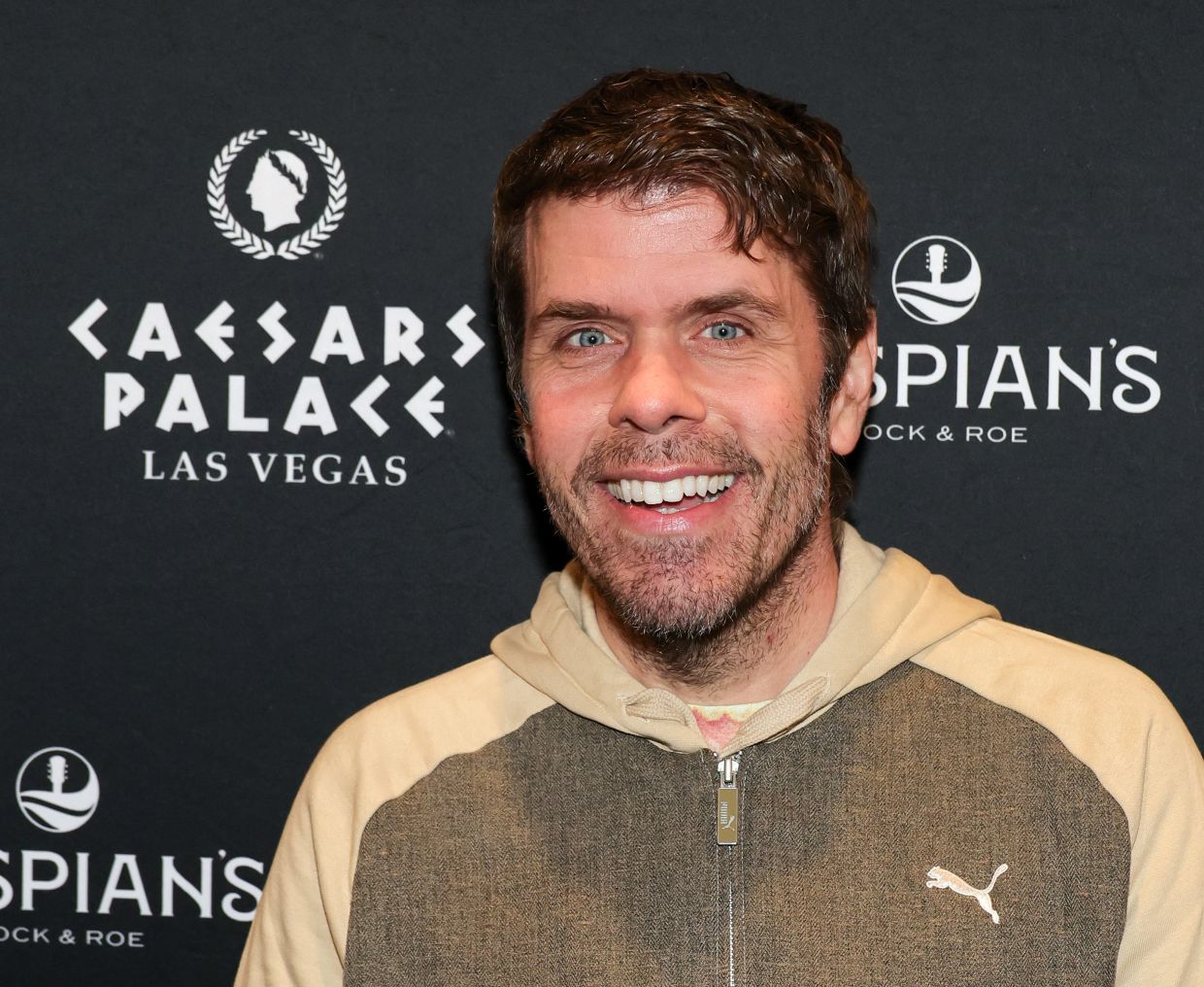
The family of celebrity blogger Perez Hilton has made a public appeal for media restraint and privacy as they attempt to help his children recover from witnessing a severe mental health crisis that unfolded at their home. In a statement released through Hilton's website on Thursday, relatives disclosed that the children, including his niece, were present when the crisis began, and they were forced to evacuate to shield them from further psychological trauma.
The incident that prompted the family's plea occurred on Tuesday evening when Miami police responded to multiple emergency calls reporting a disturbing livestream on TikTok. In the video, a visibly injured Hilton repeatedly harmed himself using a box cutter and knife. Alarmed followers and platform moderators alerted authorities to the broadcast, triggering a significant police response to his Miami residence. The Miami-Dade Sheriff's Office confirmed that around 9pm, Hilton was safely located, extracted from the property, and transported by Miami-Dade Fire Rescue to a local medical facility where he received immediate treatment.
What distinguishes this incident from typical celebrity emergencies is the presence of minors during the crisis. According to the family statement, the situation escalated rapidly, forcing Hilton's children and extended family members to flee the home just minutes before the livestream began. The family characterised the preceding days as "nearly unbearable," underscoring the emotional toll the event has exacted on multiple generations within the household. This detail has profound implications for child welfare and the psychological impact of parental mental health emergencies on young people.
In their statement, family members emphasised that their immediate priority centres on facilitating recovery for Hilton's three children and niece, who witnessed traumatic events that may leave lasting emotional scars. They noted that a critical component of the healing process involves establishing a secure environment and restoring a sense of normalcy to the children's daily lives. To facilitate this objective, the family has formally requested that media organisations, freelance photographers, content creators, and members of the public refrain from gathering near the family residence and avoid returning to the area. The request reflects growing recognition within celebrity circles about the collateral damage caused by invasive media coverage during family crises.
While details regarding Hilton's current medical condition remain limited, his family disclosed that they have been able to confirm he maintains the capacity to communicate with loved ones. This disclosure, though modest in scope, provided the family with some reassurance during what they characterised as an extraordinarily difficult period. The ability to maintain contact has apparently offered a measure of hope, though considerable uncertainty remains regarding his recovery trajectory and long-term health prospects.
Interestingly, on the same Thursday that his family issued their privacy plea, a pre-recorded interview featuring Hilton aired on conservative commentator Sean Hannity's programme. The discussion, which had been taped in recent weeks, saw Hilton engage in candid reflection about his career as a pioneering internet celebrity and the human cost of his sensationalist approach to entertainment journalism. He acknowledged carrying deep regret regarding his professional conduct, characterising his pursuit of attention as comparable to drug addiction—a compulsion that dominated his decision-making without regard for collateral damage inflicted on prominent figures.
During the Hannity interview, Hilton elaborated on his transformation in recent years, revealing attempts to reconcile with several celebrities he had publicly targeted and ridiculed. He claimed that Britney Spears and Khloe Kardashian had shown willingness to accept his apologies, suggesting a measure of forgiveness from those who suffered most from his provocative coverage. Additionally, Hilton disclosed that he had privately approached actor Neil Patrick Harris to apologise for aggressively attempting to publicly disclose Harris's sexual orientation in 2006, before the actor had chosen to publicly discuss his personal life. Harris, according to Hilton, reciprocated the gesture by accepting the apology.
The broadcaster's apparent reformation gained momentum following a significant health scare in March, when he required hospitalisation for severe sepsis and spent three weeks receiving intensive medical care. During that ordeal, Hilton attributed a fundamental spiritual transformation to his recovery experience, claiming that a profound religious awakening reshaped his worldview. Since that hospitalisation, he has actively cultivated a public image centered on religious devotion, launching a merchandise line featuring biblical themes and appearing on podcast platforms to discuss his spiritual journey and repentance.
Hilton's narrative of personal transformation carries particular relevance for Southeast Asian audiences, where celebrity culture intersects with emerging digital platforms and questions about responsible content creation. The incident highlights the psychological vulnerabilities that can accompany internet fame and the absence of adequate mental health infrastructure supporting content creators experiencing crises. In Malaysia and the broader region, where social media platforms increasingly dominate entertainment consumption, Hilton's experience serves as a cautionary tale about the sustainability of attention-driven business models and their psychological toll on performers.
The family's formal request for privacy also reflects broader cultural conversations occurring in Malaysia and Southeast Asia regarding the ethics of paparazzi culture and media intrusion during personal emergencies. Unlike Western celebrity journalism, which often operates within established legal frameworks governing privacy rights, Malaysian media outlets frequently navigate more ambiguous regulatory terrain when covering high-profile individuals facing personal difficulties. The Hilton case provides an opportunity for regional journalists and media organisations to reconsider their obligations to distinguish between legitimate public interest and voyeuristic coverage that prioritises sensationalism over dignity.
Furthermore, the incident underscores the particular vulnerability of children belonging to public figures, an issue that has prompted legislative action in several Western jurisdictions but remains relatively underdeveloped as a policy priority across Southeast Asia. The family's explicit concern that Hilton's children witnessed self-harm raises questions about what protections exist for minors involuntarily caught in media spotlights during family crises. Malaysian child welfare advocates and policymakers might view this incident as evidence supporting stricter regulations governing media access to minors of public figures experiencing mental health emergencies.
As Hilton remains hospitalised and his family works to create a stable environment for recovery and healing, the case demonstrates that celebrity culture, regardless of geography or platform, carries inherent human costs that extend beyond the public figure to encompass vulnerable family members. The intersection of digital platforms, mental health crises, and media scrutiny creates unique challenges for modern celebrity that previous generations of entertainers never encountered. For Malaysian audiences and content creators navigating the region's rapidly expanding digital entertainment landscape, Hilton's crisis serves as an urgent reminder that attention, while economically valuable, demands careful management to preserve psychological wellbeing and protect those closest to the spotlight.

