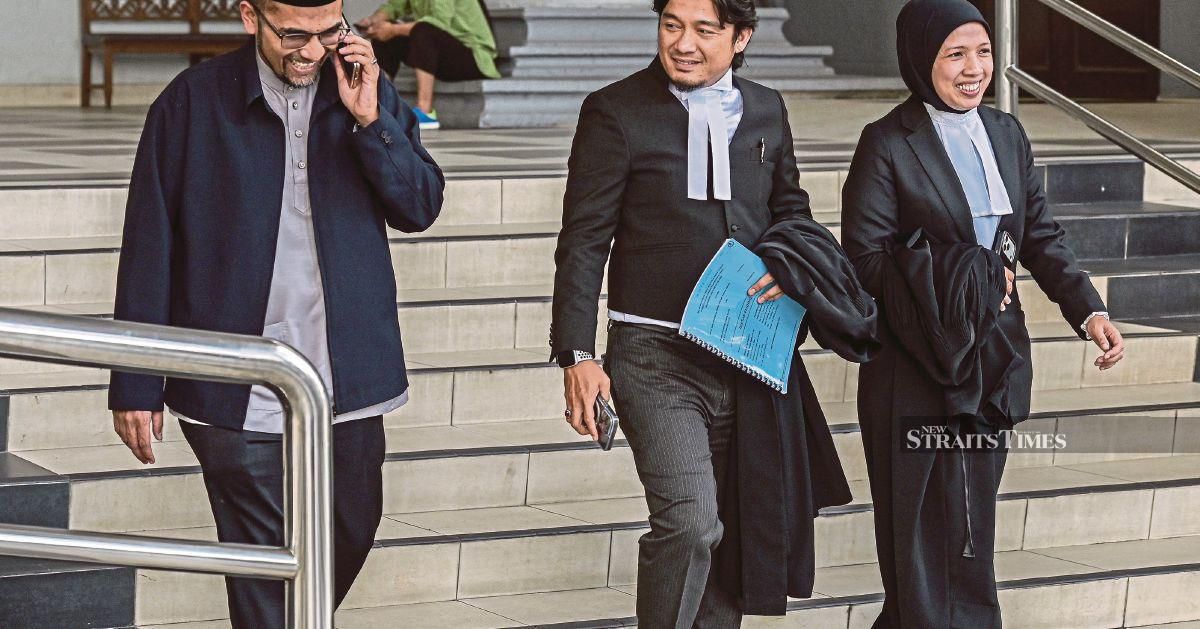
Malaysia's High Court has delivered a significant defamation judgment in favour of Perlis Mufti Datuk Dr Mohd Asri Zainul Abidin, awarding him RM250,000 in damages against the operator of a Facebook account. The ruling stems from a protracted dispute over posts published on the social media platform that allegedly connected the prominent religious scholar to GISB Holdings Sdn Bhd, a company at the centre of several prior controversies in Malaysia.
The case underscores the evolving legal landscape surrounding online speech and reputational harm in Malaysia, where courts have increasingly engaged with defamation claims rooted in social media activity. Datuk Dr Mohd Asri, who has maintained a high public profile through both his religious leadership and commentary on contemporary issues, pursued legal action against the unnamed account holder following the publication of what he contended were false and damaging statements.
Defamation suits of this nature require claimants to demonstrate that published material caused material harm to their reputation and commercial interests. The High Court's decision to award damages suggests the judge found the posts in question met these criteria, determining that the Facebook posts were indeed defamatory and that the defendant failed to establish any valid defence such as truth, fair comment, or qualified privilege.
The connection to GISB Holdings carries particular weight given the company's troubled history. GISB Holdings has been the subject of substantial public scrutiny and legal proceedings in Malaysia, making any association with it potentially damaging to a public figure's standing, particularly one whose authority derives significantly from his reputation for integrity and trustworthiness as a religious leader.
This judgment reflects broader tensions between digital freedom of expression and individual reputation protection in Southeast Asia. While social media platforms have democratised public discourse, enabling wider participation in debates about governance, finance, and ethics, they have simultaneously created new channels for spreading unverified information or distorted narratives about public figures.
For legal practitioners in Malaysia, the verdict offers clarification on how courts approach defamation claims originating from Facebook content. The decision indicates that mere publication on a social media platform does not shield defendants from liability, and that platform operators—or account holders—bear responsibility for material they disseminate, regardless of the medium.
The RM250,000 award, while substantial, reflects the court's assessment of the damage sustained by the claimant. Such awards typically account for loss of earnings, injury to feelings, and harm to professional reputation. In cases involving religious or public officials, courts often weigh the particular vulnerability of such figures to reputational injury, given their roles depend on public trust and confidence.
The case also carries implications for how religious scholars and officials navigate the digital public sphere in Malaysia. Senior religious figures increasingly face scrutiny from multiple quarters—government bodies, rival scholars, civil society groups, and ordinary citizens with social media access. This judgment signals that defamatory posts, even on informal platforms, may result in substantial financial liability.
However, the High Court's ruling on only part of Datuk Dr Mohd Asri's defamation suit suggests the judge did not uphold every allegation or claim for damages presented. This partial victory indicates that while the court found certain statements defamatory, it may have rejected other claims or determined that specific assertions were distinguishable from defamation.
The decision arrives at a time when Malaysia continues wrestling with questions about online expression, misinformation, and defamation law. Legislators and legal scholars have debated whether existing defamation frameworks adequately address the speed and reach of social media, or whether specialized online speech regulations are needed.
For social media users and content creators in Malaysia, this judgment serves as a cautionary reminder that online anonymity does not equate to legal immunity. Even posts made under pseudonymous or anonymous accounts can result in court judgments against identified parties and substantial financial consequences.
Looking forward, the case may encourage other public figures to pursue defamation remedies against false or misleading posts targeting them online. It may also prompt greater caution among social media users, particularly regarding allegations about associations with controversial entities or individuals. The ruling demonstrates that Malaysian courts view defamation as a serious matter deserving of substantial remedies, and that platforms' informality does not diminish legal accountability.

